Helena trainer helps dogs stay calm around people and pets
Helena trainer Johanna Kumm uses Pack Walks to help dogs practice calm, neutral behavior in public without forced greetings. The approach fits a city full of parks, trails and close encounters.
What Pack Walks are meant to solve
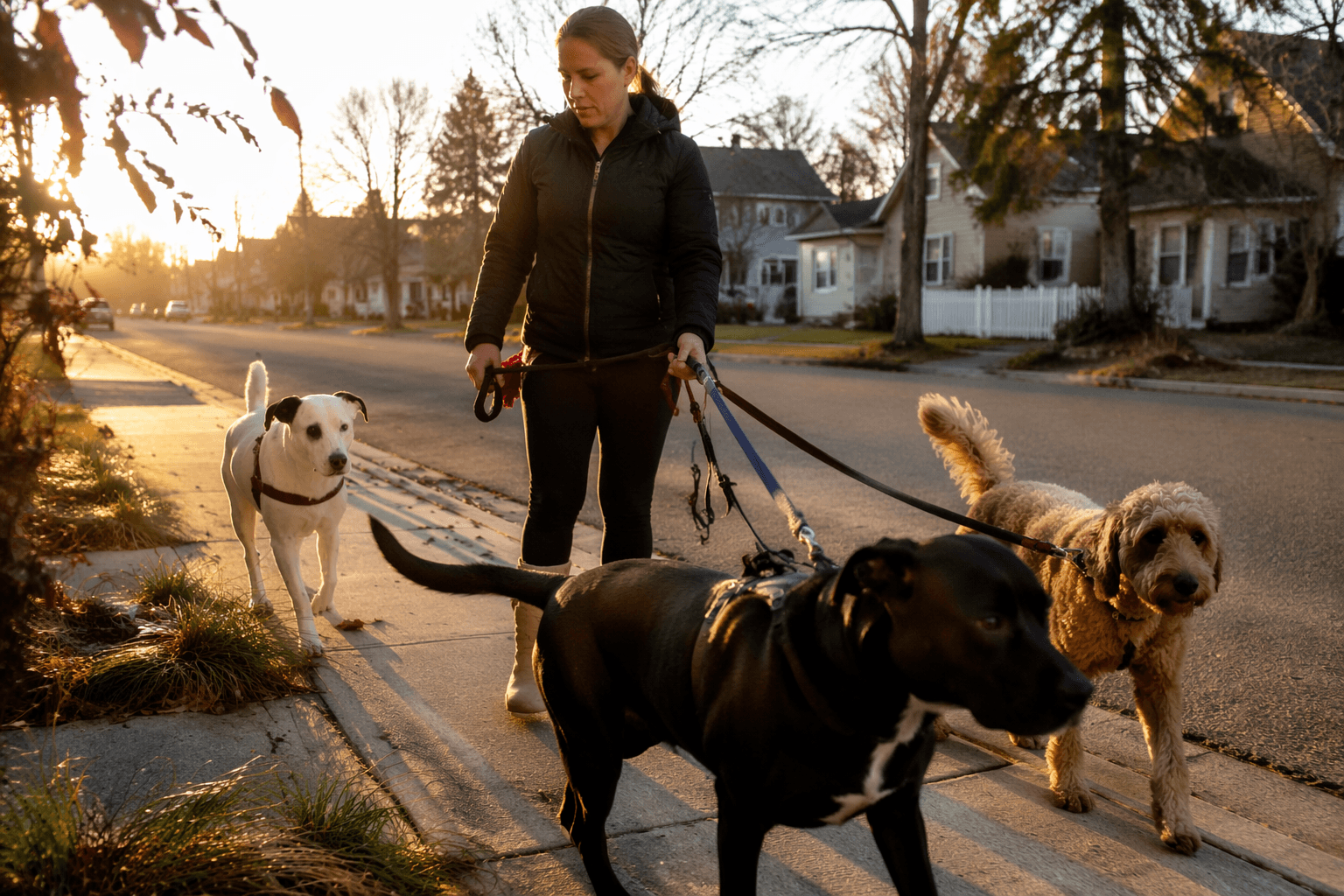
A dog that lunges, barks or freezes around people and other animals can make every walk feel like a negotiation. Johanna Kumm, who owns Follow Me K9 Training in Helena, has built her group classes, called Pack Walks, around that exact problem: helping dogs become confident in public while learning to stay calm and neutral around strangers and other dogs.
That distinction matters for pet owners who do not want a dog that is simply “social” in the loose, crowded sense. Kumm’s approach starts with the relationship between the owner and the dog, because a stronger bond can help an animal feel safer and more focused before it is asked to handle new situations. For Helena families, the result can be fewer stressful outings and a dog that is easier to manage in daily life.
Why forcing greetings can make things worse
Kumm’s central warning is simple: pushing dogs into each other’s faces is not the same thing as socializing them. When dogs are rushed into close contact before they are comfortable, the outcome can be stress, reactivity and even aggression. What looks like “practice” to people can feel overwhelming to a dog.
Pack Walks are designed to teach the opposite skill. Rather than making dogs interact every time they see another animal or person, the classes help them learn to be comfortable in the presence of others without needing to engage. That is a useful goal for dogs that will spend time on sidewalks, trails, patios and neighborhood streets, where they need to behave predictably without making every encounter into a greeting session.
Why Helena is a natural place for this kind of training
Helena gives dog owners plenty of opportunities to put those lessons to work. The City of Helena says it has 30 parks and more than 2,140 acres of developed and undeveloped parkland, with bike and pedestrian trails, dog parks and other public spaces where dogs are likely to run into people and other animals. That makes dog manners more than a private training issue. It is a community issue too.
The city also maintains dog-behavior guidance for parks and open lands, including leash-zone, vocal-control and trail-etiquette materials. Those rules reflect a basic reality of life in Helena and Lewis and Clark County: dogs share space with walkers, bikers, children, wildlife and other pets. A dog that can remain steady when another animal passes, or when a stranger comes by on a trail, is easier to take into more of the places Helena residents already use.
Where local dogs are expected to behave well
Helena has designated places where dogs can stretch out and socialize more freely, but even those spaces come with expectations. The city formally designated Paws Park at Centennial Park as a dog park, giving owners a dedicated off-leash option in town. Tenmile Creek Park is also described as dog-friendly, with leashed use and some off-leash use, which gives owners another setting to practice control and calm behavior.
Those places can be helpful test grounds, but they can also expose problems quickly. A dog that is fine at home may act very differently when another dog appears, when a stranger approaches or when too much activity is happening at once. Kumm’s classes are aimed at helping owners prepare for those real-world moments instead of waiting for a bad encounter to happen first.
Who is most likely to benefit from Pack Walks
Pack Walks are a practical option for dogs that struggle around people, other animals or neighborhood activity. They can be especially useful for dogs that pull hard toward others, bark at passing dogs, seem anxious on walks or get overstimulated in public spaces. Kumm’s guidance is also relevant for owners who want their dogs to do better on trails, sidewalks and patios without expecting every outing to turn into a play date.
The method is less about making a dog friendly with everyone and more about making the dog steady, manageable and calm. That is an important difference for owners who may assume their pet needs constant contact to “get used to” the world. In many cases, what a dog needs most is controlled exposure, clear handling and time to learn that it does not have to react to everything it sees.
What the veterinary guidance says about socialization
Veterinary guidance backs up the idea that early, thoughtful exposure matters. The American Veterinary Medical Association says the best time to start puppy socialization is between 3 and 14 weeks of age. Its literature review also says puppies with more social contacts or puppy-class attendance before 12 weeks were less likely to develop fearful or aggressive behavior.
The same body of research points to a gap many owners may not realize exists: a JAVMA study found that almost one-third of puppies received only minimal exposure to people and dogs outside the home during the survey period. That helps explain why some dogs grow into adulthood uncertain about public settings. It also reinforces why structured, gradual socialization can matter long before a dog becomes a problem on a leash.
The AVMA also advises that if a dog does not behave well around other dogs or people, it should not be taken to dog gatherings. That lines up closely with Kumm’s emphasis on structured exposure instead of crowding or forcing contact. The goal is not to throw a nervous dog into the middle of a pack and hope for the best. It is to build skill and confidence at the dog’s pace.
A local trainer with recent roots in Helena
Kumm says she founded Follow Me K9 Training in 2017, and her business website says she moved her training operation to Helena in spring 2025. That gives the Helena effort a relatively recent local base, while also suggesting she is building a service around a problem that pet owners here know well: how to make a dog manageable in a city full of trails, parks and close encounters.
The broader animal-welfare network in Lewis and Clark County also reflects that same concern. The Lewis & Clark Humane Society points pet owners to local animal-control contacts and behavior resources, underscoring that reactive or difficult dogs are not just a training issue for one household. They are part of the larger work of keeping people, pets and public spaces safe and workable for everyone.
For Helena owners who want more than a dog that merely tolerates the world, Pack Walks offer a structured path toward calm behavior. In a city where dogs are expected to share sidewalks, trails and park space every day, that kind of steadiness can matter as much as obedience.
Know something we missed? Have a correction or additional information?
Submit a Tip