Helena training center prepares airport firefighters for high-risk emergencies
Helena’s airport training center draws crews from across North America to practice the fires that can turn deadly in seconds. Its reach strengthens local readiness, regional jobs, and emergency response far beyond Lewis and Clark County.
Helena’s hidden public-safety asset
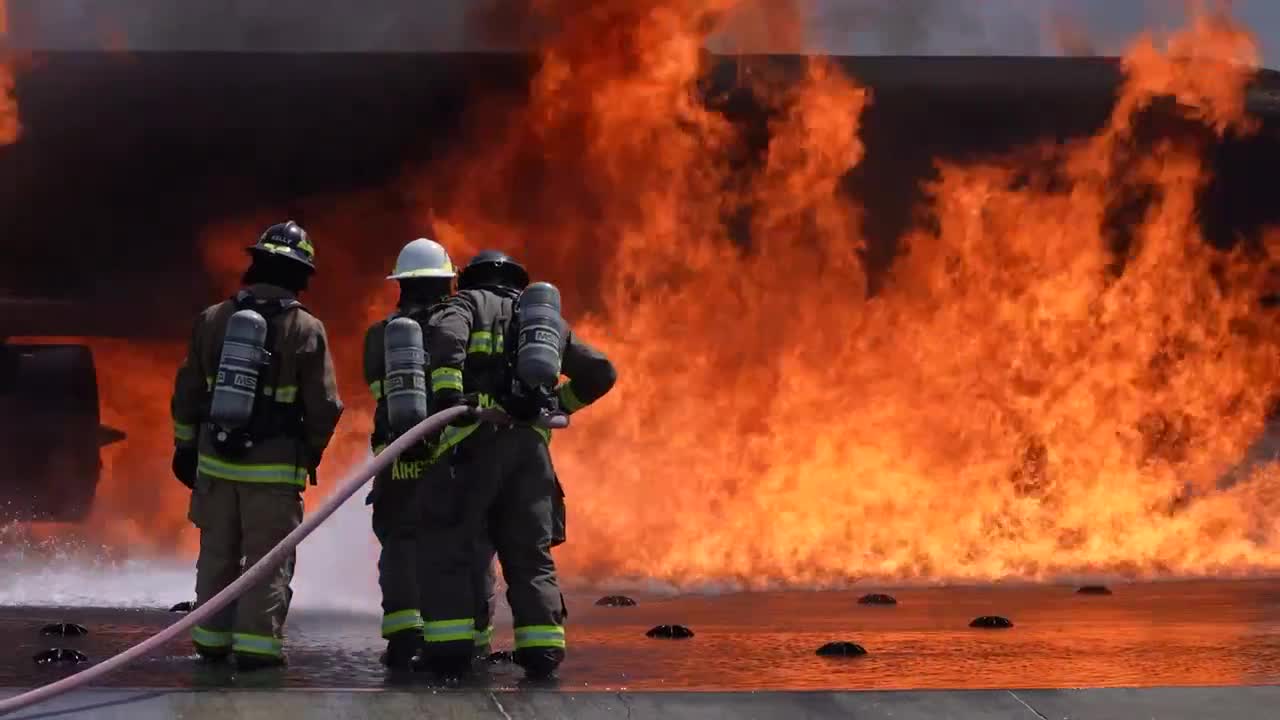
Helena’s airport is not just a place where planes land and depart. Since 1996, the Rocky Mountain Emergency Services Training Center has turned the Helena Regional Airport into one of only three airport firefighting training sites in the western United States, giving the city an outsized role in a job where seconds can decide whether people live or die.
Owned and operated by the Helena Regional Airport Authority, the center brings airport firefighters, fire department personnel, and international students to Lewis and Clark County for specialized aircraft rescue and firefighting training that is hard to duplicate at smaller academies. A 2018 report described the facility as more than 20 years old at the time and said it trained hundreds of firefighters each year, a scale that shows how much of the region’s aviation safety depends on a campus in Helena.
Why crews come to Helena
The point of training here is not classroom theory alone. Firefighters come because airport emergencies demand a different mindset than a house fire or a brush response, and the consequences are measured in lives, aircraft, and the fast-moving spread of fuel, smoke, and heat. The center’s programs help crews practice the rare but high-stakes scenarios that can unfold on a runway, on a taxiway, or inside a burning aircraft.
Recently, crews from Pullman, Washington, and Victoria, Canada trained together in Helena, a reminder that the site functions as a cross-border gathering place for emergency responders. The shared training matters because tactics are often similar across agencies and countries, even when the equipment, staffing, and local geography differ. In a field where coordination is everything, the Helena campus gives responders a chance to learn the same methods before they are tested in a real emergency.
What makes the training real
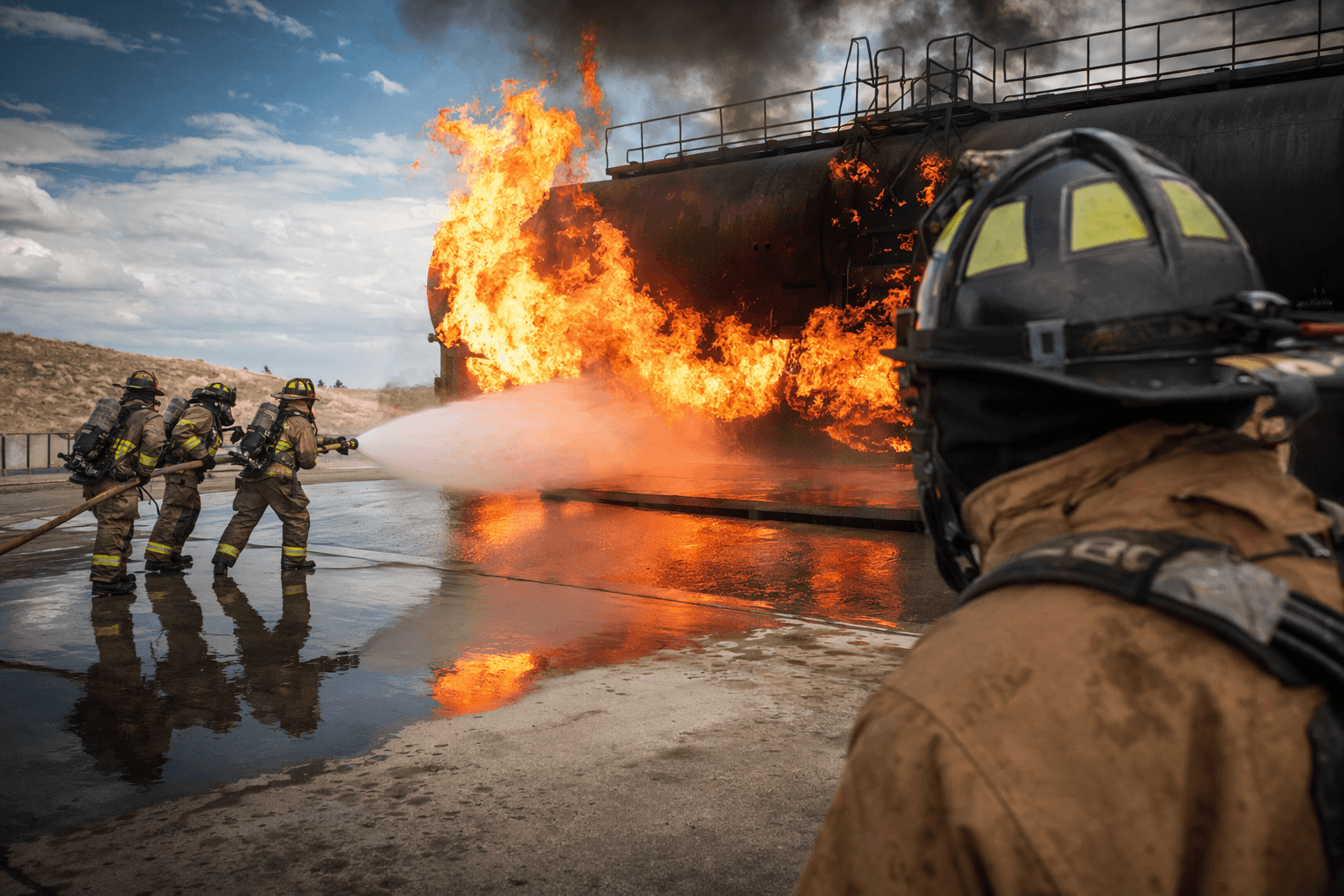
The center’s aircraft rescue and firefighting courses rely on equipment that recreates the pressure of an actual airport disaster. On site, instructors, fuel, hand-lines, nozzles, extinguishing agents, fire trucks, and breathing air are all part of the training package, so crews can move from instruction to hands-on work without leaving the campus.
The most striking tool is the aircraft fire trainer, which simulates the inside of a burning plane. That setup lets firefighters work through near-zero visibility and extreme heat, conditions that force them to practice communication, hose handling, and rescue decisions under pressure. For exterior fires, the large spill trainer burns roughly 100 gallons of propane every 30 seconds, creating an intense but controlled environment that mimics how aviation fuel and other hazardous materials can behave.
Training days cover a range of emergencies, including engine fires, wheel-brake fires, large spill fires, and interior fires. Each scenario requires different tactics, and each one depends on teams moving together instead of improvising after the alarm sounds. That is why regular instruction matters so much: airport fires are rare, but when they happen, the clock starts immediately.
A campus built for movement, distance, and repetition
The Helena airport site gives responders more than fire props. The campus includes multiple classrooms, a 1.2-mile driving track, a 3,000-foot straightaway, and a six-acre skid pad, all of which support the driving and handling skills that airport firefighters need when they are moving large emergency vehicles across active airfield space.
A full-scale Boeing 727 and a CRJ-200 were donated for training scenarios, adding aircraft shapes and access challenges that match the realities crews may face at a modern airport. Those pieces matter because airport firefighting is not only about putting water on flames; it is also about getting the right vehicle, the right foam or extinguishing agent, and the right team position fast enough to make a difference.
The center also offers both 40-hour initial ARFF training and shorter recertification courses, with its 2026 registration page listing multiple dates across spring, summer, and fall. That schedule shows the work is ongoing, not occasional. It is a steady pipeline of preparation for a specialized public-safety field that cannot wait for an emergency to reveal a weakness.
What Lewis and Clark County gains
For Lewis and Clark County, the center is a civic asset with real economic and public-safety value. It brings students, instructors, and visiting crews into Helena, supporting local activity while reinforcing a capability that helps protect airports throughout the region. It also keeps the county connected to a broader aviation network that depends on Helena’s infrastructure and expertise.
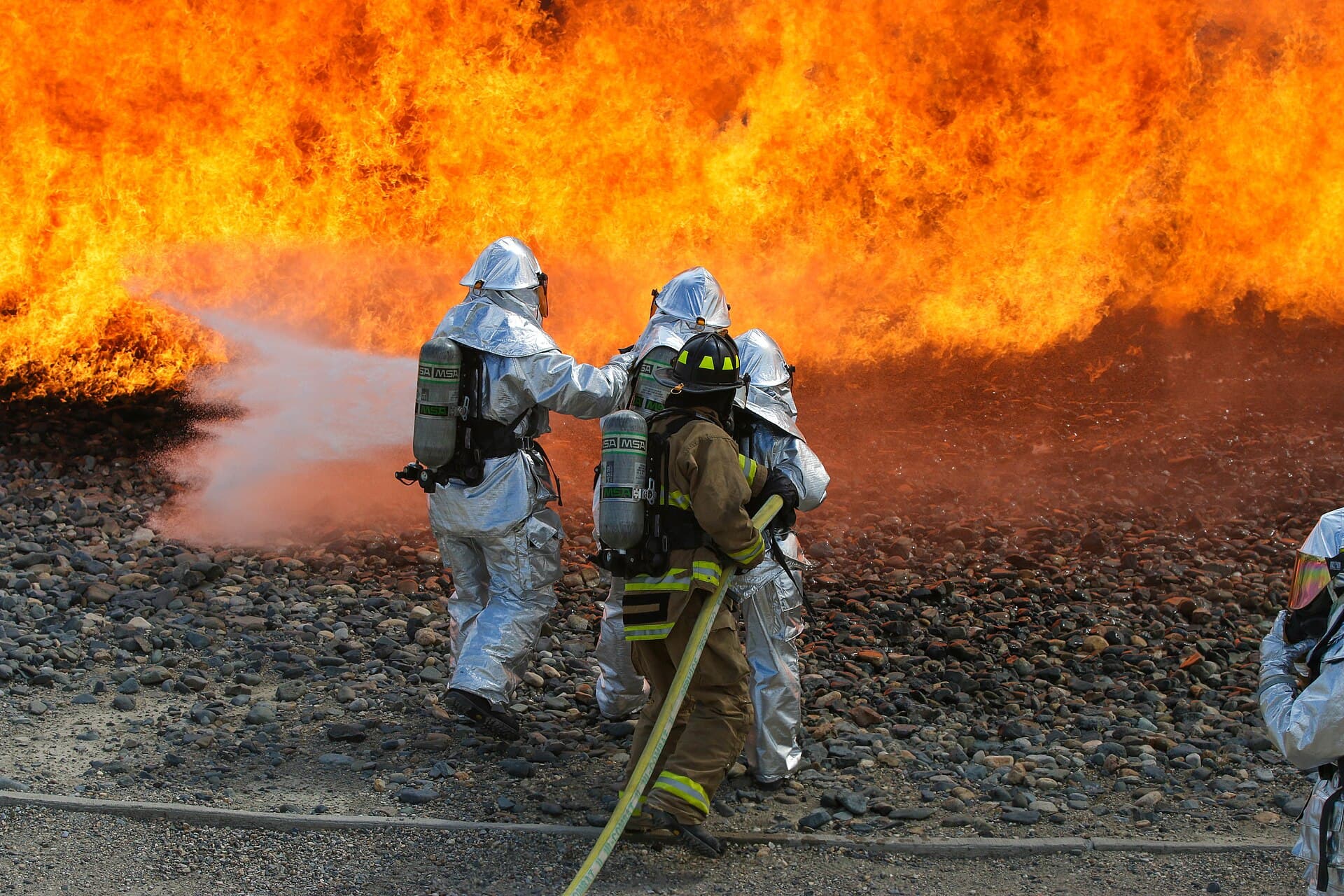
The stakes are bigger than local tourism or short-term spending. Helena Regional Airport officials say the airport has had a relationship with the U.S. military dating back to the 1930s, part of a longer aviation history that helps explain why this city has become a broader hub for emergency response training. That legacy now shows up in a practical way: Helena is helping prepare the people who may one day race toward a burning aircraft somewhere else in the West.
The center has also received serious investment. In 2023, it got about $6 million in upgrades, building on earlier reporting that it had secured more than $4.9 million in federal funding for improvements. That kind of public and institutional backing reflects a simple reality: specialized safety training is expensive, but the cost of being unprepared can be far higher.
What residents may notice near the airport
The most visible sign of all this work is smoke. If Helena residents or airport neighbors see smoke rising from Helena Regional Airport, it is likely part of training rather than an emergency. That distinction matters, because the smoke is not a warning that something has gone wrong; it is a sign that responders are practicing so a real disaster is less likely to become a mass casualty event.
That daily visibility is part of the center’s civic value. The training work can look dramatic from outside the fence, but it is exactly the kind of preparation that protects travelers, crews, and the wider region. In a county that sits far from the nation’s biggest aviation centers, Helena has carved out a role that reaches across state lines and national borders, and the benefit is measured in readiness when the stakes are highest.
This article was produced by Prism’s automated news system from verified source data, official records, and press releases, then run through automated quality and moderation checks before publishing. The system is built and supervised by the people who set the standards it runs under. Read our full AI policy.
Did this article answer your question?