How Helena got its name remains a debated local mystery
Helena’s name was settled in a cabin argument, but the origin story still splits local memory, from Minnesota to St. Helena.
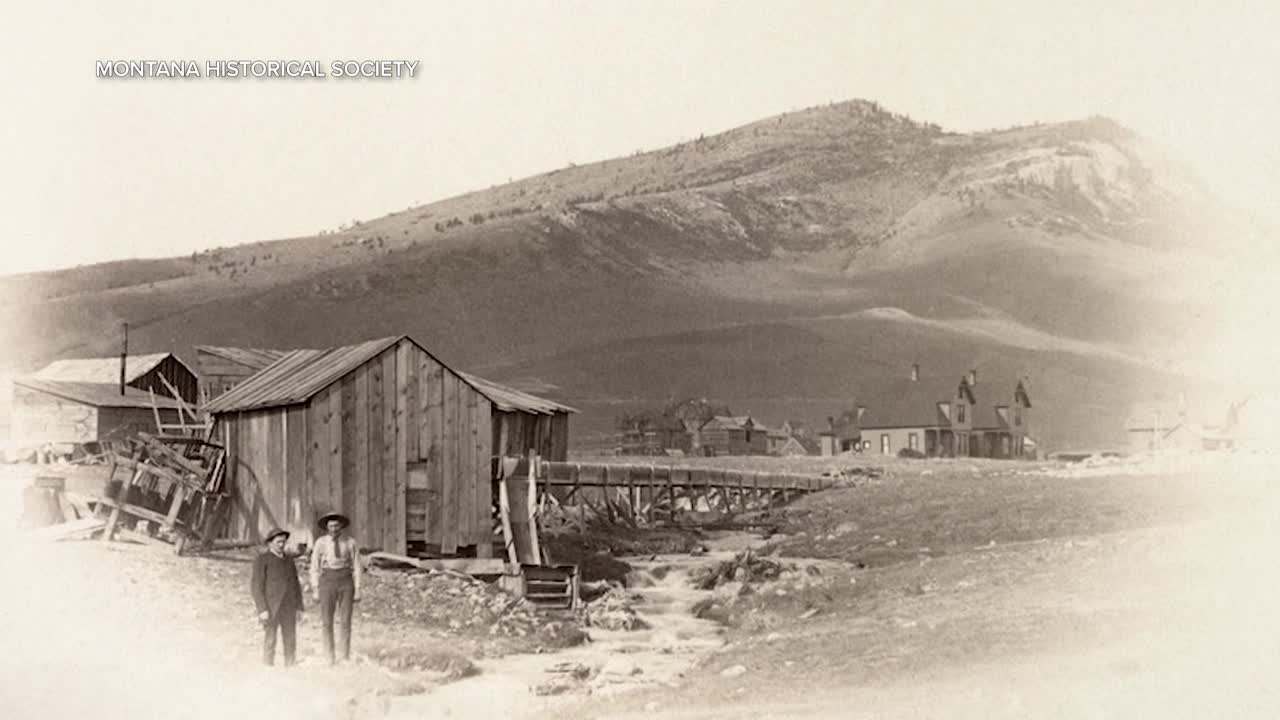
Helena’s name was never as settled as the city’s founding date suggests. The capital’s origin story runs through a gold strike, a contentious naming meeting in a mining camp, and competing memories that still shape how Helena explains itself to residents and visitors.
A gold camp that became a town almost overnight
Helena was formally established on October 30, 1864, but the story really begins on July 14, 1864, when the Four Georgians found gold in Last Chance Gulch. That discovery turned a rough mining camp into a settlement of more than 200 people in just a few months, and the speed of that growth made a formal town structure unavoidable.
Last Chance Gulch still carries that beginning in its name. The street and the gulch memorialize a moment when miners believed they had one final shot at striking it rich, and the phrase has outlasted the camp’s original improvisation by more than a century and a half.
The meeting that chose Helena
As the camp grew, leaders wanted more than cabins and claims. They were looking for a town government and a seat in the Montana Territorial Legislature, so they gathered on October 30 to lay out streets, elect officials, and decide what to call the place.
The exact attendance remains disputed. Some accounts place at least seven men in Capt. Wood’s cabin, while others say as many as 40 people were present. The broad outline, though, is steady across retellings: the group debated identity in real time, with several names on the table and none of them guaranteed to survive.
Crabtown, the miners’ nickname, did not have enough support. Last Chance was judged too harsh for a place trying to become a capital. Other suggestions, including Tomah, Pumpkinville, and Swashtown, reflected humor, impatience, and the improvisational spirit of a camp that was still deciding what it wanted to be.
Why Helena won, and why the pronunciation mattered
John Summerville, also remembered in some records as John Somerville, is commonly credited with proposing Helena. One version of the story says he offered it with the Minnesota-style pronunciation, “HelEEna,” placing the stress on the second syllable.
That pronunciation was not a minor detail. In the Civil War era, even a town name could carry political weight, and later retellings tie the accent dispute to Union and Confederate loyalties among the miners. One tradition says Confederate-leaning settlers preferred first-syllable stress, as in Helena, Arkansas, while another says the Minnesota-style version was the one that initially took hold.
The historical trail points in more than one direction. Some accounts say the name came from Helena Township in Scott County, Minnesota. Others suggest it may have been tied to St. Helena. A Montana History Portal entry reinforces the Minnesota connection by saying miners named the gold camp Helena after a place of the same name in Scott County.
The story the city tells itself now
That disagreement is part of why Helena’s naming story still resonates. The city does not just have a founding date, it has a layered origin story that sits between a mining rush, territorial politics, and the habits of memory that develop when a boomtown becomes a capital.
In 1906, Bob Stanley, one of the original “Georgians,” recalled being surprised that the accent had shifted when the town was christened. That memory has survived alongside the Minnesota and St. Helena traditions, giving Helena a founding story that is as much about pronunciation as it is about place.
The result is a local identity built on competing versions of the same event. For schools, museums, and walking tours, that means the story is not simply that Helena was named, but that its name emerged from argument, improvisation, and the social pressures of a new territorial town.
A landscape with a far older history
The naming story also leaves out the people who were here long before the gold strike. Lewis & Clark County historical materials say human occupation in the area stretches back about 12,000 years before present, a reminder that the mining camp and territorial town arrived on land with a deep Indigenous history already in place.
The county itself was created in 1864 as Edgerton County and renamed in 1868 for the Lewis and Clark expedition. Lewis and Clark County now covers more than 3,000 square miles, but the official county timeline is only one layer in a much older human history in the Helena Valley and surrounding region.
From mining camp to capital city
Helena’s name mattered because Helena kept getting bigger. The territorial capital moved from Virginia City to Helena in 1875, a shift that locked the town into political centrality and made its identity matter well beyond the gulch where it started.
The city also gained one of only five U.S. Assay Offices in the nation, a sign of how important its mining economy had become. By 1888, Helena was described as having more millionaires per capita than anywhere else in the world, a measure of how quickly a rough mining settlement turned into a financial power center.
That growth is part of why the naming dispute still matters. A place that became a capital, a minting ground for wealth, and the Queen City of the Rockies did not just inherit a name, it built a civic brand around a story that remains open to interpretation.
Where the story is still visible
The debate over Helena’s name has not stayed locked in archives. The Helena/Lewis & Clark County Historic Preservation Commission still highlights walking tours that point visitors to the original gold discovery site on Last Chance Gulch, keeping the city’s earliest geography in public view.
That matters because Helena’s origin story is not only about who picked the name, but about how the city chooses to remember itself. The gold camp, the cabin meeting, the pronunciation fight, and the older Indigenous history all sit inside the same place, and Helena’s public memory is strongest when it holds all of them at once.
This article was produced by Prism’s automated news system from verified source data, official records, and press releases, then run through automated quality and moderation checks before publishing. The system is built and supervised by the people who set the standards it runs under. Read our full AI policy.
Did this article answer your question?