Montana Heritage Center Opens in Helena with Tribal-Led Exhibits
The Montana Heritage Center opened in Helena on December 26, 2025, featuring exhibits developed in close collaboration with Montana tribal nations. The design centers Indigenous lifeways and resilience, allowing ceremonial practice on-site and embedding tribal perspectives throughout the museum rather than isolating them.
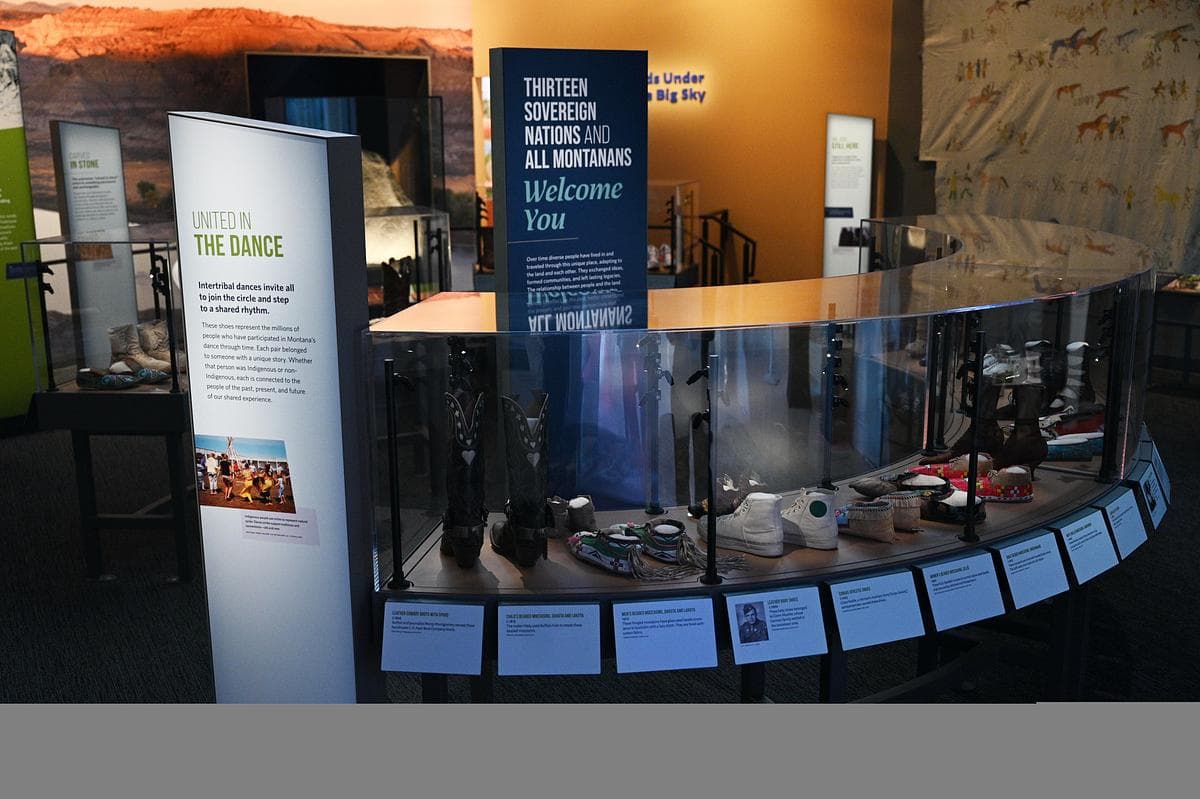
The Montana Heritage Center opened in Helena on December 26, 2025, presenting a new model for how state museums work with Indigenous communities. Curators and tribal preservation officers collaborated on exhibit content and design decisions, creating galleries and programs that prioritize tribal sovereignty, cultural continuity, and truthful accounts of painful chapters in the state’s past.
Central design choices reflect that collaboration. A smudging room was placed at the museum’s east entrance and outfitted with HVAC controls to permit ceremonial use while managing air quality for visitors and staff. "The smudging room stands prominently at the east entrance of the new Montana Heritage Center." The Sovereign Nations gallery gives each tribal nation primary control over its own display, enabling tribes to tell their histories and contemporary lives on their own terms rather than through a single curated narrative imposed by the institution.
Exhibit teams jointly decided how to handle sensitive items. In some cases tribal preservation officers and museum curators opted not to display human remains or certain burial objects; instead they used photographs or video to convey histories and maintain dignity for those items. The center also intentionally weaves Indigenous history and perspectives throughout the museum’s permanent and temporary exhibits, integrating accounts of massacres, boarding schools, and other traumas alongside displays of art, ceremony, and ongoing cultural practices.

For Lewis and Clark County residents, the center functions as both a community space and an educational resource. The facility’s design that accommodates ceremonial practice offers local tribes a visible, institutional acknowledgement of cultural rights, while the permanent presence of tribal-curated galleries creates regular opportunities for school groups, researchers, and visitors to engage with Indigenous voices. The museum’s approach also has practical implications: shared decision-making on sensitive materials may simplify future repatriation conversations and set expectations for other institutions in the state.
Policy-wise, the Heritage Center’s collaborative model aligns with a broader shift in museum practice toward co-curation and tribal partnership, and it may influence state cultural policy on display standards and repatriation. By presenting uncomfortable history alongside artistry and resilience, the center aims to foster understanding and dialogue while serving as a new cultural and civic anchor in Helena.
This article was produced by Prism’s automated news system from verified source data, official records, and press releases, then run through automated quality and moderation checks before publishing. The system is built and supervised by the people who set the standards it runs under. Read our full AI policy.
Did this article answer your question?