Montana National Guard tests drone tactics in Limestone Hills training exercise
Drone drills at Limestone Hills pushed Montana soldiers toward a 3- to 6-month timeline for new tools that could aid wildfire, search-and-rescue and future combat.
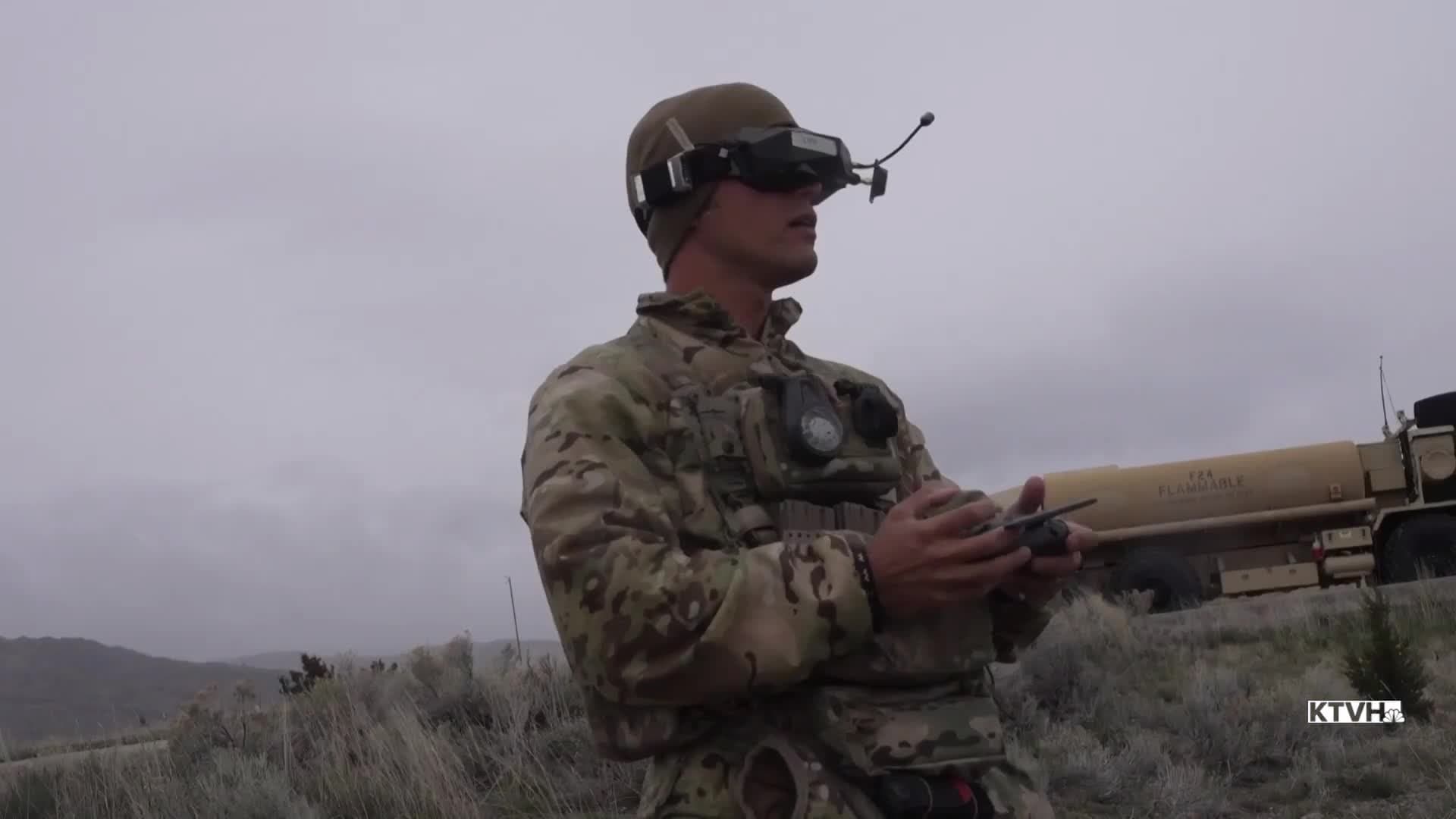
A mobile shop at Limestone Hills turned a two-day drone drill into a live test of how the Montana National Guard will fight, watch and respond when a crisis moves faster than a truck or radio call.
Over the exercise near Townsend, Guard members, military partners and innovators tested new drone technology and worked through real-world scenarios meant to show how small aircraft change mission planning, information gathering and response. Sergeant Jay Utter put the point plainly: "This is the future." He said engineers want a 60- to 90-day turnaround on improvements, with the goal of putting the drones in Montana soldiers’ hands within the next 3 to 6 months.
Paul Coffy, the Accelerating Force program manager, said the team was studying drone flight behavior, weather impacts, advanced sensing and ways to detect hostile drones and protect soldiers. The setup included a mobile shop where engineers could monitor performance, make adjustments and fix problems in real time, a sign that the effort was more than a demonstration. It was rapid prototyping under field conditions, with the expectation that lessons learned in central Montana could shape how the Guard uses the technology next.
That matters in Lewis and Clark County because the Montana National Guard does not exist only for overseas missions. Under the state mission, the governor can activate Guard forces for storms, fires, earthquakes and civil disturbances. The Department of Military Affairs says the Guard also has a federal mission to provide trained and equipped units for national emergencies. In practice, that means drone tactics developed at Limestone Hills could affect how quickly Montana answers the next wildfire, flood or security threat.
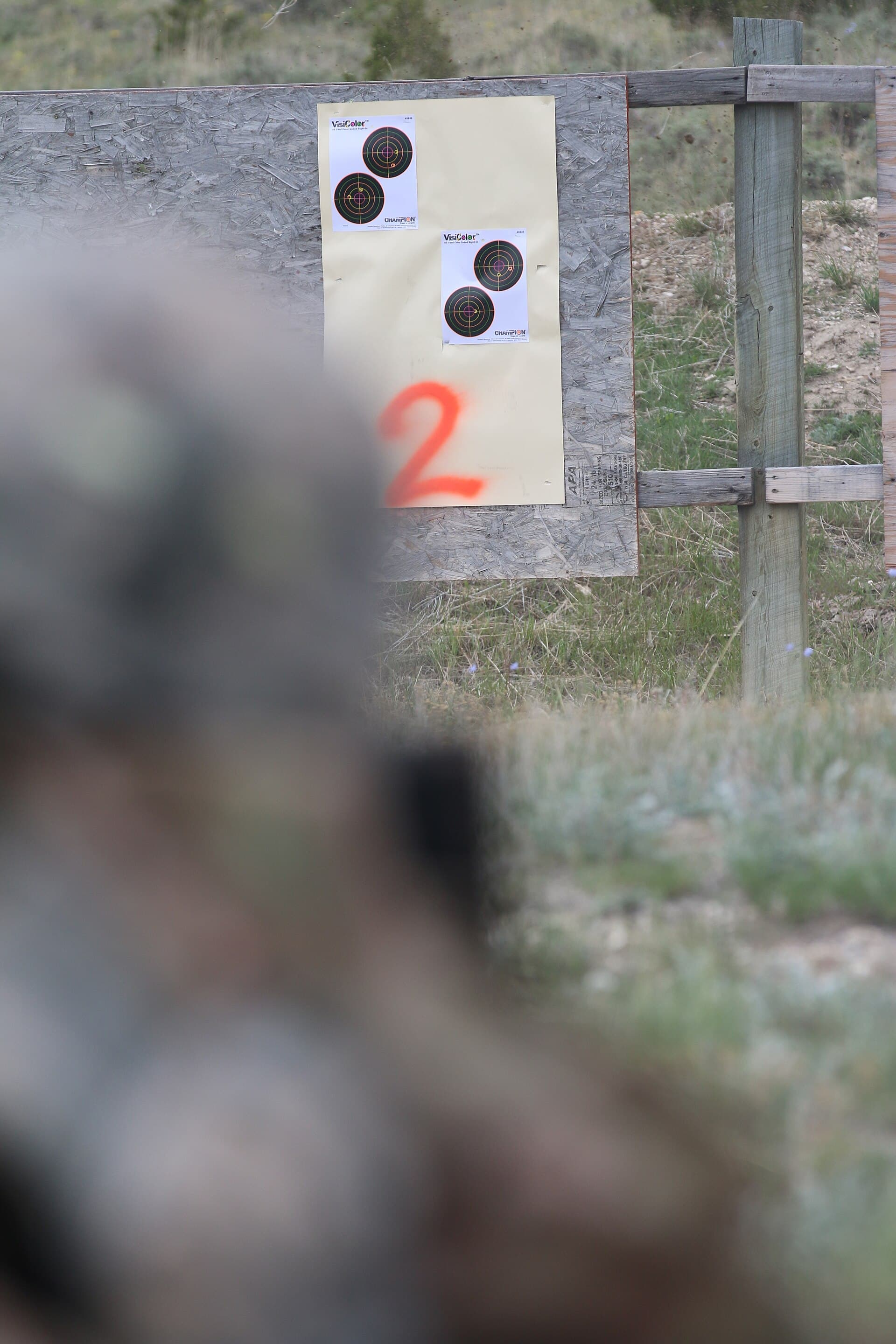
Specialist Tyler Spencer connected the technology directly to daily life in the state. He said thermal capabilities and cameras on drones could help with fires and search and rescue in Montana, a clear local use case in a state where remote terrain, smoke and fast-moving weather can make ground operations difficult. For residents in and around Helena, the question is no longer whether the Guard will use drones, but how quickly those tools become part of state response.
The exercise also fit into a broader rethink of homeland defense. In an April 16-17 conference, Lt. Col. Noah Genger said the Guard was trying to establish a baseline for responding to "Montana’s worst day," with planning that included the National Guard Bureau, NORAD, U.S. Northern Command and the Montana Department of Emergency Services. The drone work extends that same logic into the field: future threats may be faster, smaller and more distributed, demanding better sensors and quicker decisions.
Limestone Hills is a familiar place for that kind of testing. The Montana Army National Guard has trained there since 1959 under a special use permit from the Bureau of Land Management, and the site is used for maneuver and live-fire training by infantry, armor, artillery, engineer, aviation and special operations units. That long history made it a fitting place to test a modern tool that could shape both combat readiness and how Montana responds when the state itself is in trouble.
This article was produced by Prism’s automated news system from verified source data, official records, and press releases, then run through automated quality and moderation checks before publishing. The system is built and supervised by the people who set the standards it runs under. Read our full AI policy.
Did this article answer your question?