NorthWestern Energy to Expand Colstrip Ownership, Effective January 2026
NorthWestern Energy announced it will take on additional ownership stakes in the Colstrip coal-fired power plant as part of transactions effective Jan. 1, 2026, a move the company says will bolster supply certainty and reliability through the end of the decade. The deal, disclosed Dec. 30, 2025 at a Colstrip community/legislative reception in Helena, has drawn criticism over long-term costs and oversight tied to pollution controls and decommissioning responsibilities.
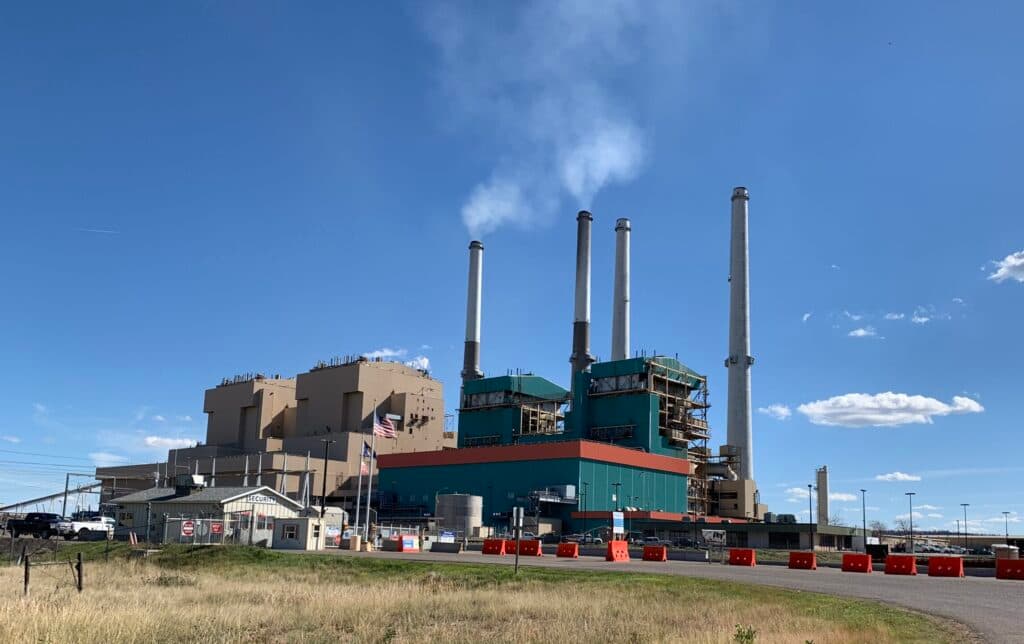
NorthWestern Energy will expand its ownership interest in the Colstrip coal-fired power plant under a series of transactions set to take effect Jan. 1, 2026, company leaders announced Dec. 30, 2025 at a Colstrip community/legislative reception in Helena. The company said the additional shares, including interests being transferred from Avista and Puget Sound Energy, will provide greater certainty about electricity supply and reliability through the end of the decade.
Avista is transferring its interest at no charge, according to NorthWestern’s announcement. The arrangement is intended to secure dependable power supply for customers while NorthWestern manages the plant’s role in the regional grid over the next several years. Company representatives framed the move as a reliability and customer-benefit decision amid a period of transition for energy sources statewide.
For residents of Lewis and Clark County, the decision carries immediate and longer-term implications. NorthWestern supplies electricity to customers across much of Montana, including Helena, so changes in ownership and asset responsibilities at Colstrip can affect utility planning, resource adequacy and the allocation of future costs. Critics have spotlighted concerns over regulatory oversight and potential liabilities associated with required pollution controls and eventual decommissioning of coal-fired units. Those responsibilities can create obligations that may be passed to ratepayers or require additional company capital depending on regulatory decisions.

The transaction arrives against a broader backdrop of national and regional pressure to reduce emissions and retire older coal plants. While NorthWestern emphasized short-term reliability benefits through about 2030, the deal raises questions about how the utility and regulators will manage investments in pollution control technology, long-term cleanup, and retirement timelines. Decisions on cost recovery and oversight frameworks will determine whether the financial burden falls primarily on the company or is shared with customers.
Local stakeholders and policymakers will be watching how state regulators review the transaction and any follow-up filings that clarify cost allocation, decommissioning plans and timelines for pollution controls. For now, the company’s expanded stake is positioned as a reliability measure for the next several years, while critics warn it may lock in obligations that carry financial and environmental consequences beyond the decade.
Know something we missed? Have a correction or additional information?
Submit a Tip