Regional model for crisis stabilization could inform Lewis and Clark plans
Cascade County announced on December 15 plans to develop a combined crisis stabilization center and mobile response team to serve people experiencing mental health crises, an approach counties across Montana are exploring. The effort, including potential funding from state grant programs and opioid settlement dollars, offers practical lessons and funding pathways relevant to Lewis and Clark County behavioral health planning.
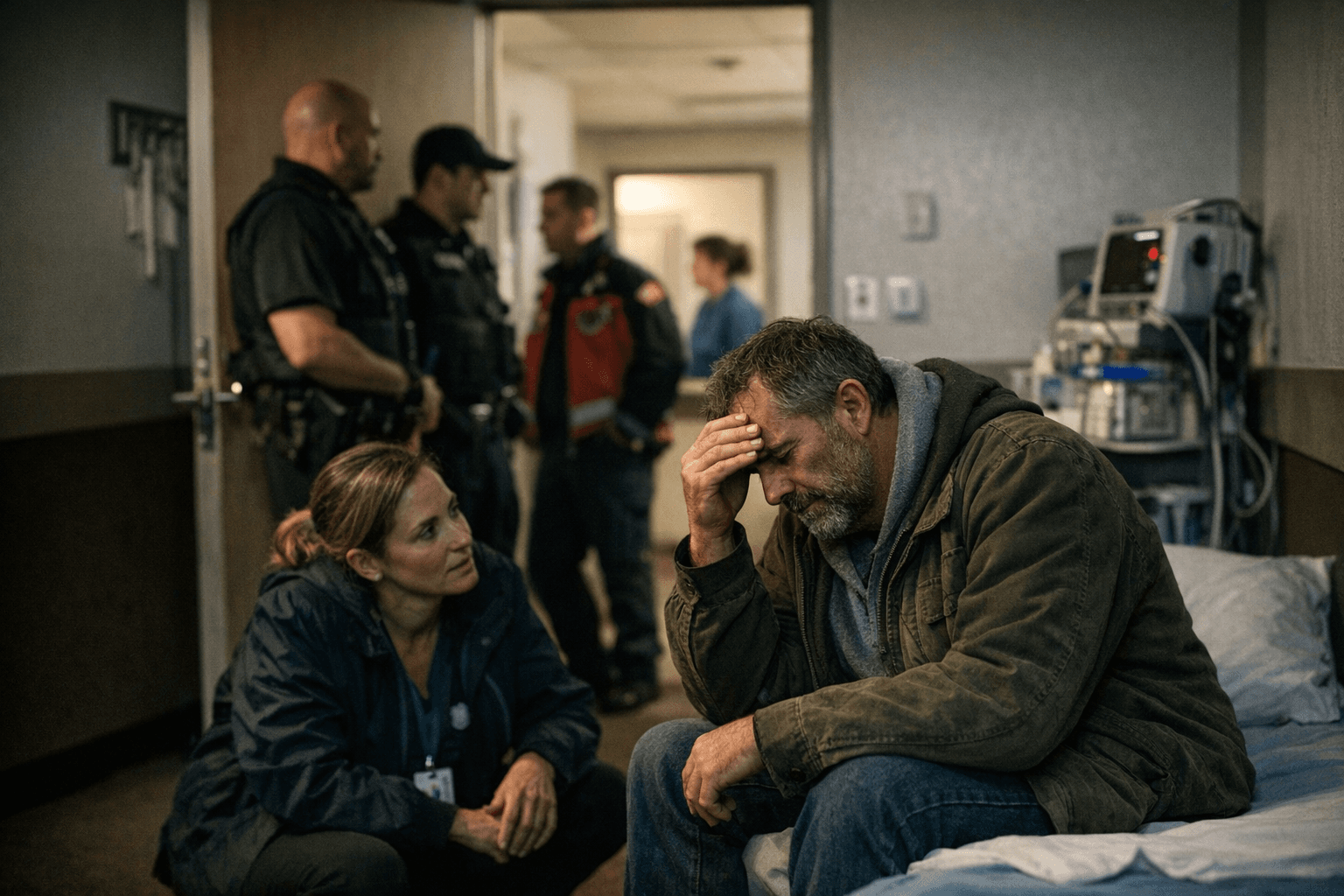
Cascade County’s proposal for a combined crisis stabilization center and mobile response team lays out a model aimed at diverting people in acute mental health crisis away from law enforcement and jail and into short term treatment and stabilization. The proposed center would serve as a destination for 72 hour holds, and the mobile team would provide on scene assessment and transport when appropriate. Counties across the state are watching as officials weigh costs, logistics and legal authority needed to operate both services.
Funding was a central focus of the plan. County leaders identified state grant programs as primary sources and signaled the potential use of opioid settlement funds to support startup and operations. Those financing options are directly relevant to Lewis and Clark County as it continues behavioral health capacity planning and looks for sustainable revenue to expand crisis services.
The Cascade proposal also exposed procurement and facility challenges that slowed implementation. A proposed building required asbestos remediation and other renovations, adding to time and cost estimates. Procurement timelines and facility readiness prompted commissioners to question sequencing, whether to establish a mobile response team first or to prioritize creating a physical stabilization center. That debate underscores a key operational choice for counties that must balance immediate response capacity with a permanent care destination.
Legal and clinical frameworks affect how such a system would function. Recent updates to state law expand county authority for short term mental health holds, reshaping where and how people can be held and treated. Hospitals currently shoulder much of the responsibility for holding and stabilizing patients, and any new center will require close coordination with health systems, county attorneys and community partners to ensure legal compliance and continuity of care.
For Lewis and Clark County residents the Cascade example provides concrete context for local planning. Policymakers here must consider funding mixes, facility readiness, workforce and the sequence of services to avoid gaps that leave vulnerable people in jails or emergency rooms. Equitable implementation will require intentional outreach to underserved communities, clear referral pathways across providers, and transparency about costs and timelines. As counties pursue alternatives to criminalization, the Cascade experience illustrates both promise and practical hurdles that local leaders will need to address.
This article was produced by Prism’s automated news system from verified source data, official records, and press releases, then run through automated quality and moderation checks before publishing. The system is built and supervised by the people who set the standards it runs under. Read our full AI policy.
Did this article answer your question?