Retired St. Peter's ambulance gives Helena College EMT students hands-on training
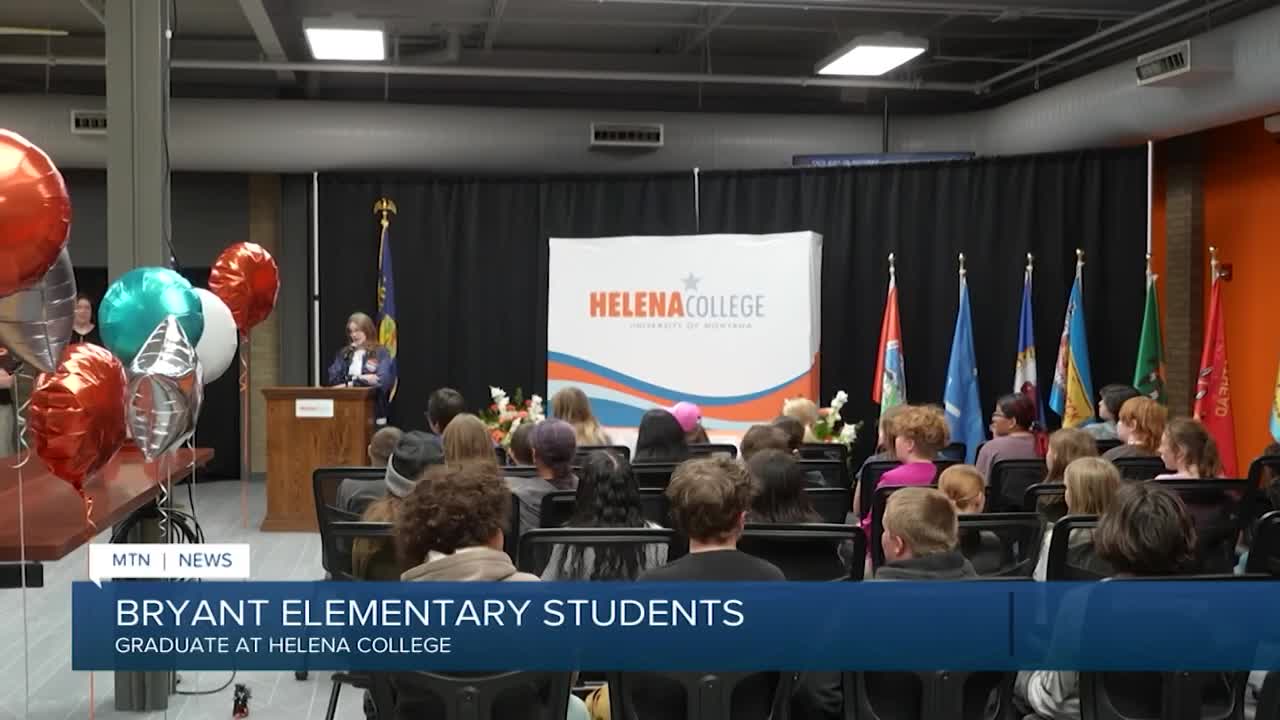
A retired St. Peter’s ambulance is now a training lab for Helena College EMT students, giving them a real-world space to practice before they join the county’s EMS workforce.

A retired ambulance becomes a training room
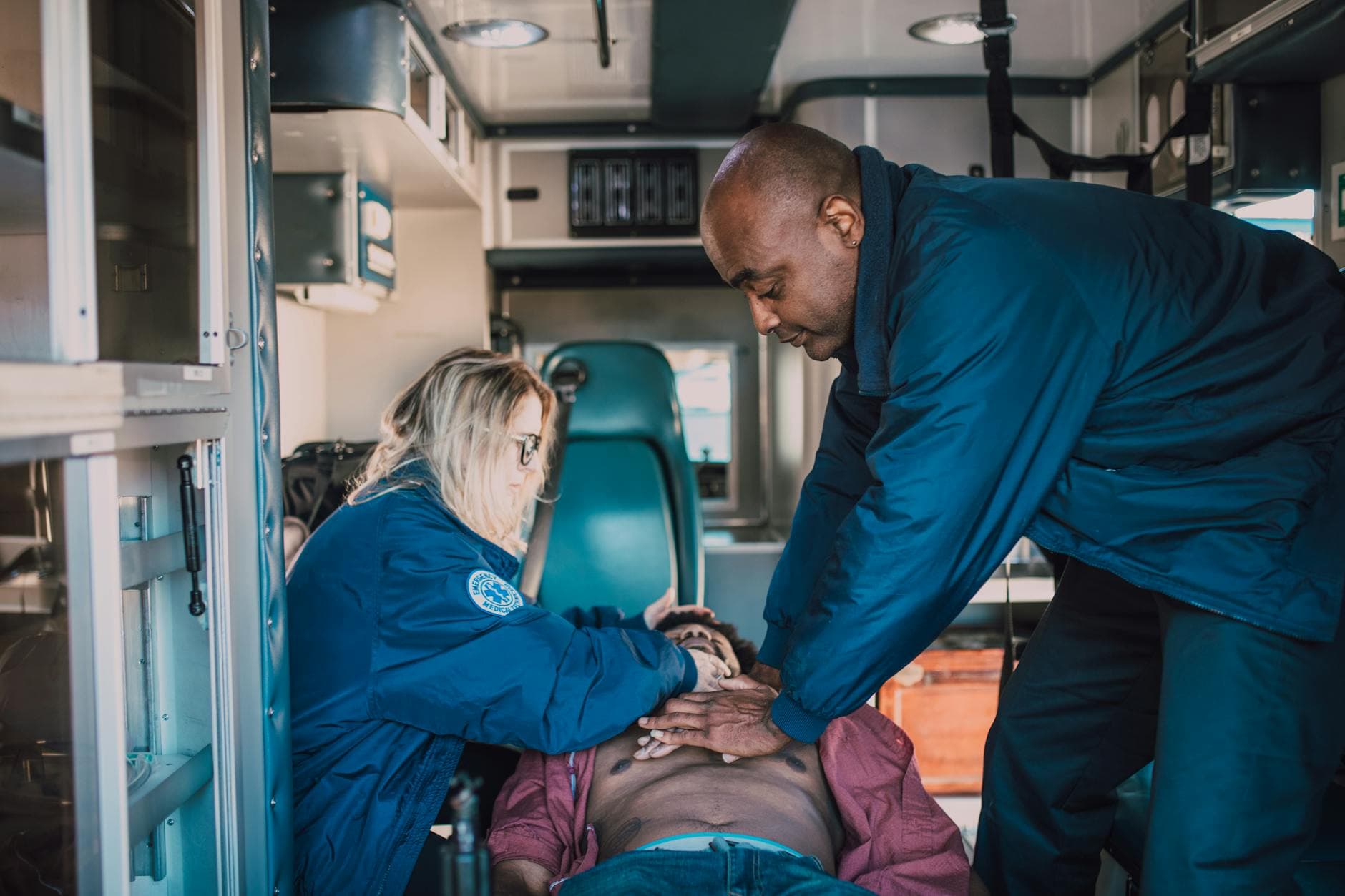
A retired St. Peter’s Health ambulance is now giving Helena College EMT students something a classroom cannot: the tight, equipment-packed space they will work in after graduation. The vehicle turns training from theory into repetition, helping future responders learn how to move, communicate, and treat patients inside the same kind of ambulance they will see on local calls.
For Lewis and Clark County, the value is practical, not sentimental. St. Peter’s Health Ambulance runs 24-hour-a-day dedicated 911 service for the entire county and operates at the advanced life support, paramedic level, so the people training in Helena are preparing for the same high-pressure environment that serves the region every day.
Why the ambulance matters for the workforce pipeline
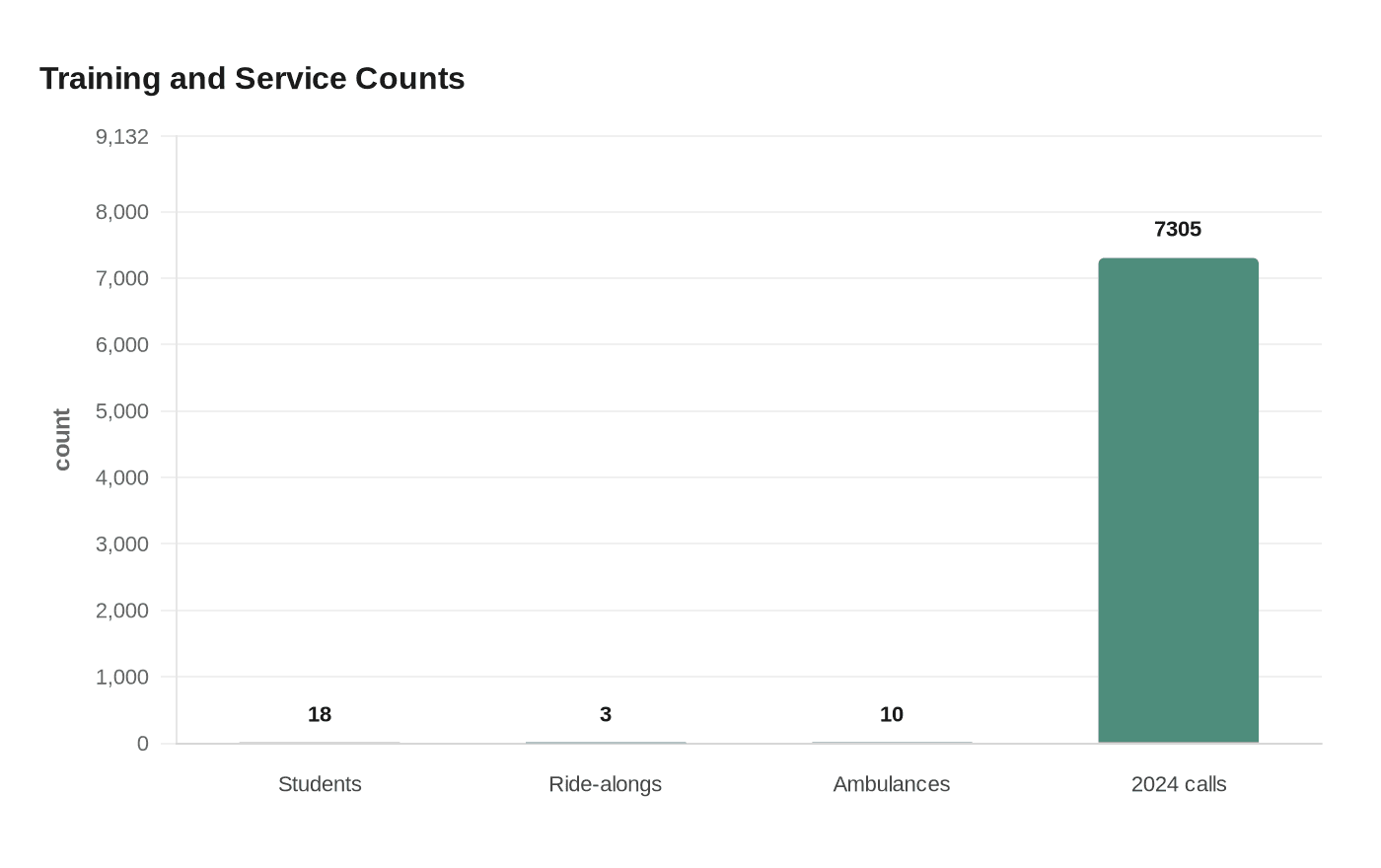
Helena College’s EMT department serves about 18 students each semester, and it is one of the only in-person EMT programs in the region. That makes the program a key entry point for the county’s next generation of emergency medical workers, especially in a market where local providers need a steady stream of trained staff who can step into real-world calls quickly.
The retired ambulance strengthens that pipeline by letting students practice in realistic conditions instead of imagining the workflow from a desk. St. Peter’s EMS manager Chris Mulberry said the donation is a way to give back to the community and help future responders train in a more realistic setting. For a county that depends on dependable emergency response, the partnership connects education directly to staffing needs.
St. Peter’s own workload shows why that matters. In 2024, the ambulance service logged 7,305 calls in ImageTrend, including 6,279 in Helena. The system’s annual report says the fleet includes 10 ambulances, among them reserve and training vehicles, underscoring both the scale of demand and the usefulness of repurposing older equipment for instruction.
What students can practice inside the ambulance
Paige Montgomery, the lead EMT instructor at Helena College, said having the right tools matters because the goal is not just to teach from a book. The point is to prepare students for the cramped, urgent, face-to-face work of emergency medicine.
- equipment placement in a confined workspace
- patient movement and transfer
- scene flow and how to keep care organized under pressure
- communication between providers while treating a patient
Inside the donated ambulance, students can now work on the tasks that define the job:
Those skills are difficult to teach fully in a classroom, yet they shape how quickly a new EMT can function on a call. Practicing them in an actual ambulance helps students build muscle memory before they are responsible for a patient in the field.
The timing matters because Helena College’s EMT program is built to lead toward the NREMT certification exam. Coursework includes classroom and clinical experience and covers airway management, wound care, bleeding control, CPR, defibrillator use, and medication assistance. Students also have to provide proof of Hepatitis B vaccination, proof of a TB test, and pass a background check, all reminders that this is a hands-on profession with direct patient contact.
How students move from class to the truck
The ambulance is only one part of the training path. Each Helena College EMT student completes three 12-hour ride-along shifts with St. Peter’s ambulance services and also rotates through the emergency department. That combination matters because it exposes students to both the rhythm of the ambulance and the pace of hospital care.
Those ride-alongs and clinical rotations help answer the question local employers care about most: how ready will graduates be on day one? A student who has already sat through multiple 12-hour shifts, seen the flow of 911 calls, and practiced in a real ambulance is likely to need less adjustment when hired than someone whose only exposure came from simulation alone. The donation does not replace field experience, but it can reduce the gap between classroom learning and frontline work.
The pipeline starts even earlier for some students. Helena College’s introductory EMT course, ECP 130, is open to high school juniors and seniors and includes lectures, hands-on work, and ride-alongs on a St. Peter’s ambulance. The class can earn students 5 college credits and may lead toward an EMT license, giving younger students a direct path into the profession before they finish high school.
Why local providers stand to benefit
The new ambulance is more than a piece of equipment. It is an investment in readiness for a county where St. Peter’s Health Ambulance is a core part of the emergency-response system. When a provider with countywide 911 coverage helps train the next generation, the benefits can show up later in shorter onboarding times, stronger field confidence, and a workforce that already understands the local system.
That is especially relevant in Lewis and Clark County, where a small in-person EMT program feeds the same ambulance service that will likely hire many of its graduates. The result is a tighter education-to-workforce loop: Helena College trains students, St. Peter’s provides clinical exposure and ambulance time, and local agencies gain recruits who have already learned the basics of county emergency care.
For a region that depends on fast response, the real payoff may be simple. Students get a more realistic classroom. Local providers get better-prepared hires. And an ambulance that had reached the end of its road in service gets a second life helping train the people who will one day answer the next call.
Know something we missed? Have a correction or additional information?
Submit a Tip