Spring Meadow Lake bird banding lets public watch wildlife research
Spring Meadow Lake’s bird banding turns a summer outing into wildlife science, showing Helena how migration data shapes conservation decisions.
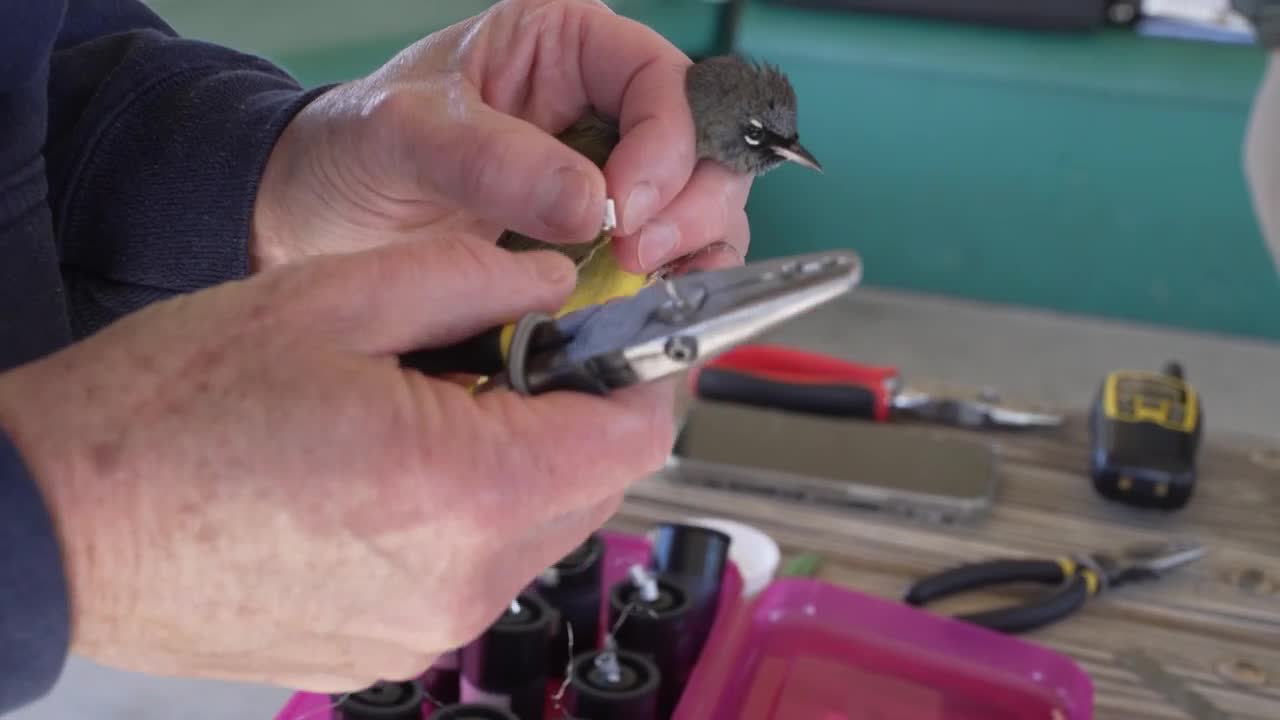
Bird banding at Spring Meadow Lake State Park gives Helena-area residents a rare look at wildlife research in action, not just the finished conclusions. At the same time volunteers and Montana Fish, Wildlife and Parks biologists are working with live birds, families can watch the careful capture, banding and release process up close and see how local park science feeds bigger management decisions.
What happens at the banding site
The public bird-banding sessions are set up as hands-on demonstrations, but they are also serious data-collection efforts. Biologists and volunteers place fine nets in the field, safely capture birds, keep them calm in cloth bags, then attach tiny numbered bands before releasing them back into the wild. The handling is deliberate and careful because the birds are being studied for breeding status, longevity and migration patterns, not simply tallied.
That close-up work is what makes the event unusual for a city park. Instead of seeing birds only as fast-moving shapes overhead, visitors can observe the details of species, plumage and condition in the hand, then watch them fly off again. Montana WILD staff say that kind of access helps build conservation-minded citizens because it shows how wildlife science actually happens.
Why the data matters
The bands do more than mark individual birds. Experts say the information helps track movement, survival, health and population trends over time, and it feeds into a larger database that scientists use to understand when birds arrive, nest and shift species ranges. That makes each capture part of a long-running monitoring system, one that can reveal changes that would be easy to miss from casual observation alone.
The broader value of bird banding is well established in migratory-bird management. The U.S. Fish and Wildlife Service says recovery data from banded birds help estimate survival rates and harvest rates for waterfowl. The agency also says migratory-bird survey data support conservation planning and annual management decisions. In practice, that means a few minutes of careful field work at Spring Meadow Lake can contribute to decisions that shape wildlife management far beyond Helena.
How local visitors can watch
The next public bird-banding event at Montana WILD is scheduled for June 23, with public bird banding also listed for June 11. Both sessions run from 8 a.m. to noon, no registration is required, and attendees are told to meet at the gazebo on the back lawn of Montana WILD.
That setup is part of the appeal. The event is free, open to the public and designed so people can observe birds and scientists up close without turning the work into a closed research exercise. In some cases, visitors can even help with releases, which adds a memorable public-facing element to a process that usually happens out of sight.
Why Spring Meadow Lake is the right setting
Spring Meadow Lake State Park gives the program a setting that already draws families and birdwatchers. Montana Fish, Wildlife and Parks describes the park as an urban day-use area on the western edge of Helena, popular for swimming, sunbathing, fishing, bird-watching, hiking and family outings. That makes it a natural place to connect recreation with research.
Montana WILD sits next door on the west side of Helena and serves as FWP’s conservation education center. It is free to the public Monday through Friday from 8 a.m. to 5 p.m., which means the bird-banding events fit into a wider stream of environmental learning already built around the site. For Lewis and Clark County residents, the park and the education center together function like a small local ecosystem of their own: one place for recreation, another for explanation, and both tied to the same landscape.
A public program with real reach
Montana WILD’s programming already reaches a large audience. KTVH reported that the center saw more than 17,000 walk-in visitors in 2023 and more than 2,000 participants in public programs that year. Those numbers help explain why bird banding draws attention beyond a niche birding crowd. The event is part of an established local conservation-education mission, not a one-off demonstration.
That reach matters because the science depends on public understanding. When residents see how birds are handled, measured and released, the work becomes less abstract. It also gives a clearer picture of why managers care about timing, habitat health and population shifts in the first place. The more people understand the process, the easier it becomes to connect a local banding station to regional wildlife policy.
What Helena gains from seeing the science up close
Birds are more than a pleasant backdrop at Spring Meadow Lake. Montana WILD has previously framed bird conservation in broader ecological terms, including the role birds play as pollinators, which ties local bird health to larger ecosystem and food-system questions. That perspective adds another layer to the public events: the birds that pass through the nets are part of a much bigger environmental network than the park boundary suggests.
The June 23 banding session shows how a city park can serve several purposes at once. It offers a family outing, a birdwatching stop and a live conservation lesson, but it also supports the long-term data collection that helps scientists and managers make decisions about wildlife health and migration. For Helena, that is the real value of the program: public access to the science that helps shape how the landscape is watched, used and protected.
This article was produced by Prism’s automated news system from verified source data, official records, and press releases, then run through automated quality and moderation checks before publishing. The system is built and supervised by the people who set the standards it runs under. Read our full AI policy.
Did this article answer your question?