St. Peter's Health Foundation Raises $578,600 for Emergency Services, Ambulances
Valley Bank's $250,000 gift anchored a $578,600 haul for St. Peter's Health Foundation, aimed at replacing aging ambulances serving rural southwest Montana.
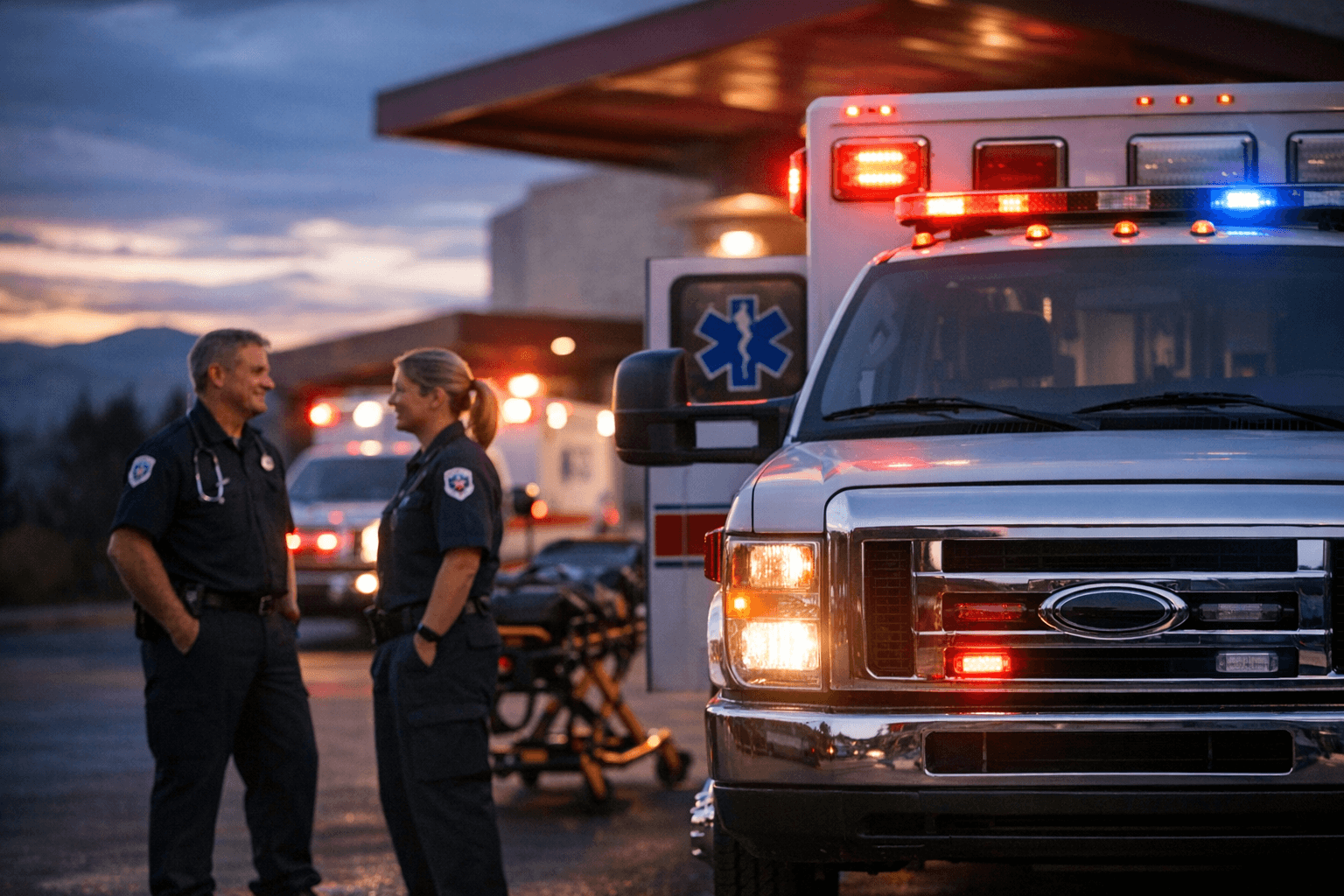
St. Peter's Health Foundation raised approximately $578,600 at its annual gala and fundraising campaign, with proceeds earmarked for ambulance procurement and emergency equipment upgrades serving Lewis and Clark County and the wider rural corridor of southwest Montana, the Foundation announced this week.
Valley Bank provided the campaign's cornerstone contribution: a $250,000 leadership gift announced earlier in March and designated specifically for a replacement ambulance and the broader stabilization of ambulance services. That single gift represented nearly half the total raised and was described in Foundation materials as a demonstration of community investment in emergency medical infrastructure at a time when aging vehicles and outdated equipment are creating documented risks for both patients and crews in the field.
St. Peter's Health describes its ambulance operation as the primary 911 emergency medical response across a large rural service area, one where geographic distance routinely determines whether a critically ill or injured patient reaches definitive care in time. When fleet vehicles degrade or equipment falls short, that margin narrows further.
Foundation leadership credited donors and community supporters for the successful gala outcome, and the Valley Bank gift was highlighted as a concrete example of how private philanthropy fills gaps that operational budgets increasingly cannot. Statewide workforce and funding pressures on rural emergency systems have made philanthropic cycles more consequential, not supplementary.
St. Peter's will apply the $578,600 toward ambulance procurement, emergency department equipment, and training for ambulance crews and ED staff. Foundation leadership has signaled that sustaining vehicle replacement cycles will require ongoing community support, as the capital demands of rural emergency care continue to outpace what operational funding alone can cover.
Know something we missed? Have a correction or additional information?
Submit a Tip