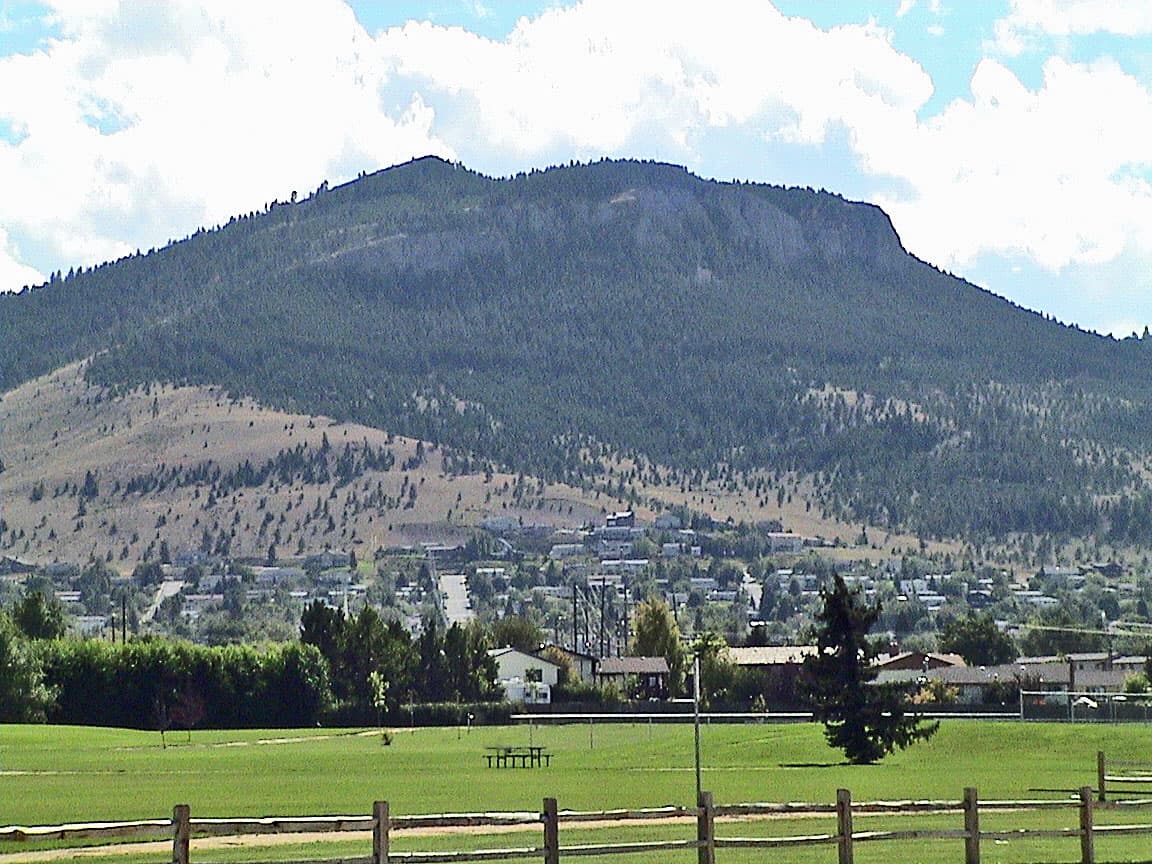
Volunteers build Last Chance Raceway into a regional motocross draw
A Helena motocross track built by volunteers now draws about 450 entries a day, bringing riders from four states and showing what decades of unpaid labor can create.

About 450 race entries a day are turning the track off York Road into one of Helena’s clearest examples of community-built infrastructure. Last Chance Raceway is not just a place to race motocross, it is a 70-acre local asset that grew from roughly 40 acres through more than three decades of volunteer labor, member reinvestment, and steady maintenance.
Built by volunteers, sustained by volunteers
The Last Chance Riders Association formed in Helena in 1991, and that origin still shapes the raceway today. What started as a much smaller site has become a regional venue because people kept showing up to work on it year after year, not just to stage races but to build and maintain the facility itself.
That distinction matters in Helena. Last Chance Raceway is not a city-run complex or a privately polished attraction with a paid maintenance crew. It is a volunteer-run place where the value is visible in the land, the course layout, and the consistency of use. The raceway now functions as one of those rare local properties that has grown in step with the people who use it.
How the track grew into a 70-acre venue
The raceway’s footprint has expanded from roughly 40 acres to 70 acres over time, and that extra space is part of the story. Growth did not happen through a single expansion project; it came through years of incremental improvements, each one layered onto the last.
Club leaders say those improvements have included grooming jumps, watering corners, and maintaining every part of the facility so riders can get a course that is both safe and demanding. The work is not cosmetic. On a motocross track, the condition of the surface, the shape of the jumps, and the handling of the corners all affect how the venue performs and how riders experience it.
The result is a facility that has moved well beyond neighborhood-use scale. Riders now come from Montana, the Dakotas, Idaho, and eastern Washington, which puts Last Chance Raceway in the category of a regional draw rather than a local hobby site. For Helena, that means the track carries a reputation built not by marketing, but by repetition, maintenance, and word of mouth from riders who travel to compete.
Race day is part sporting event, part local traffic
The Central Montana Motocross Series gave the raceway an immediate burst of activity, with about 450 race entries expected each day. That volume matters because it turns the track into a live event site with real flow-through effects in the city, not just a place where a few families gather on the edge of town.
Every entry represents a rider, a machine, support people, fuel, food, and time spent in Helena. The scale of the event shows how a volunteer organization can create something with regional reach and a clear local footprint at the same time. For a city the size of Helena, that combination is important: it keeps the raceway active, brings visitors in, and reinforces the city’s standing with racers across the Northwest.
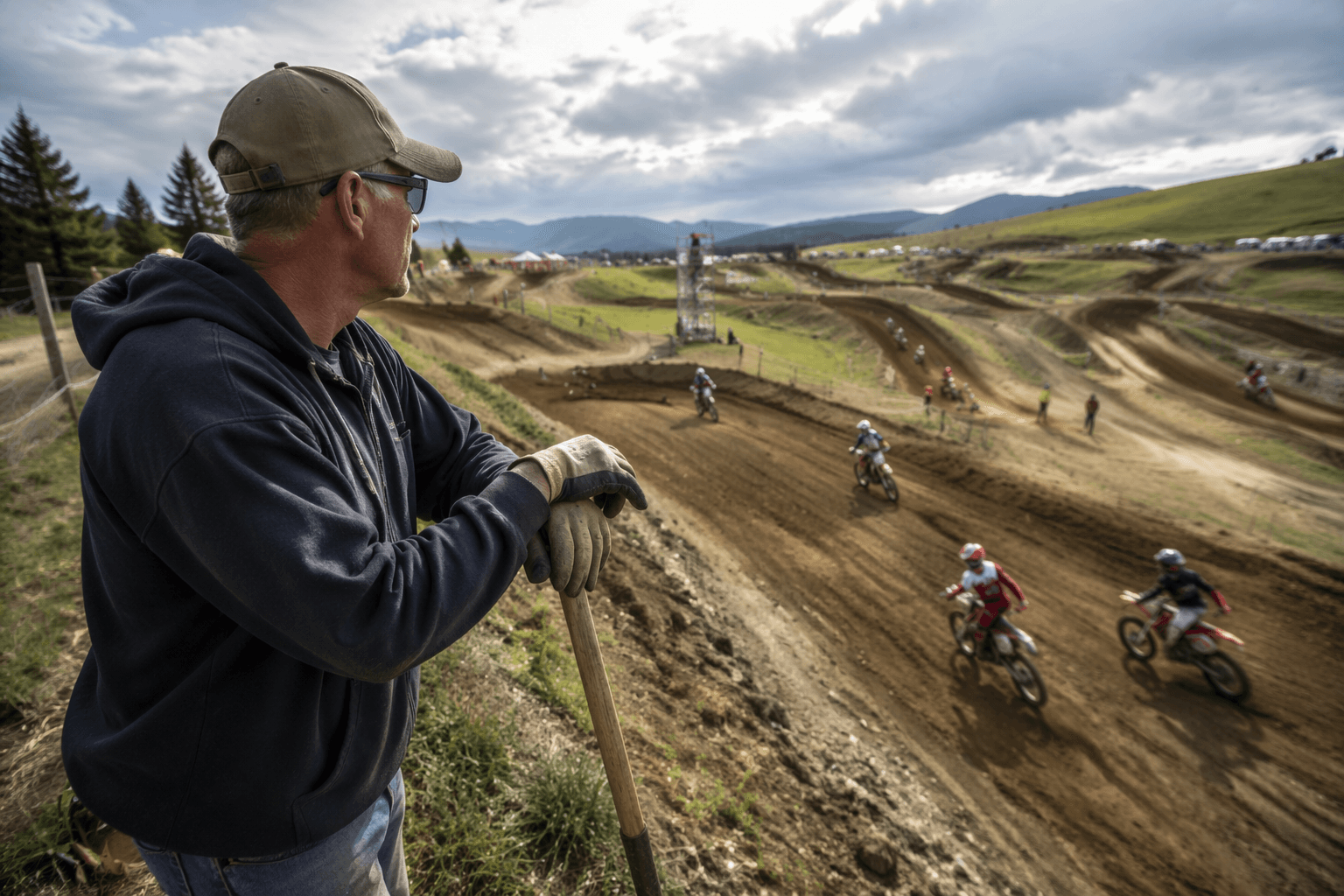
It also helps explain why the track has become part of Helena’s identity. The raceway is not a niche facility hidden from the city’s public life. It is a place where outside riders arrive, local volunteers work, and the community gets the benefit of a sporting event that would be hard to replace quickly.
The money goes back into the dirt
The raceway’s durability rests on a simple cycle: races and memberships generate money, and that money goes back into the track. That reinvestment has helped pay for improvements such as a sprinkler system and other equipment that keep the course functioning at a higher level.
That matters because dirt tracks age in ways that are easy to overlook until the maintenance stops. Watering systems, course shaping, and the constant upkeep of the racing surface are not optional extras. They are what keep the venue usable, and they are what allow the facility to keep serving riders of different ages and skill levels.
The track’s evolution also shows why volunteer-run infrastructure can be harder to replicate than it looks from the outside. A 70-acre venue with regional pull is not simply a weekend pastime dressed up as a public attraction. It is a working property that depends on people who are willing to keep investing labor, money, and time into every part of it.
What Helena keeps because the track still exists
Last Chance Raceway gives Helena more than races. It gives the city a recreation site, a recurring event venue, and a reason for visitors from several states to come through town. It also gives the community a rare example of a facility that was built without a public price tag and then kept alive by the people who use it.
If that decades-long volunteer effort had not been there, Helena would not have this 70-acre motocross draw off York Road, nor the steady stream of race entries that now fill it. The replacement value is not just in land or equipment. It is in the years of labor needed to make a site like this functional, reliable, and worth traveling to.
That is what makes Last Chance Raceway more than a track. It is a local asset built from unpaid work, sustained through reinvestment, and now embedded in Helena’s regional sporting life.
This article was produced by Prism’s automated news system from verified source data, official records, and press releases, then run through automated quality and moderation checks before publishing. The system is built and supervised by the people who set the standards it runs under. Read our full AI policy.
Did this article answer your question?