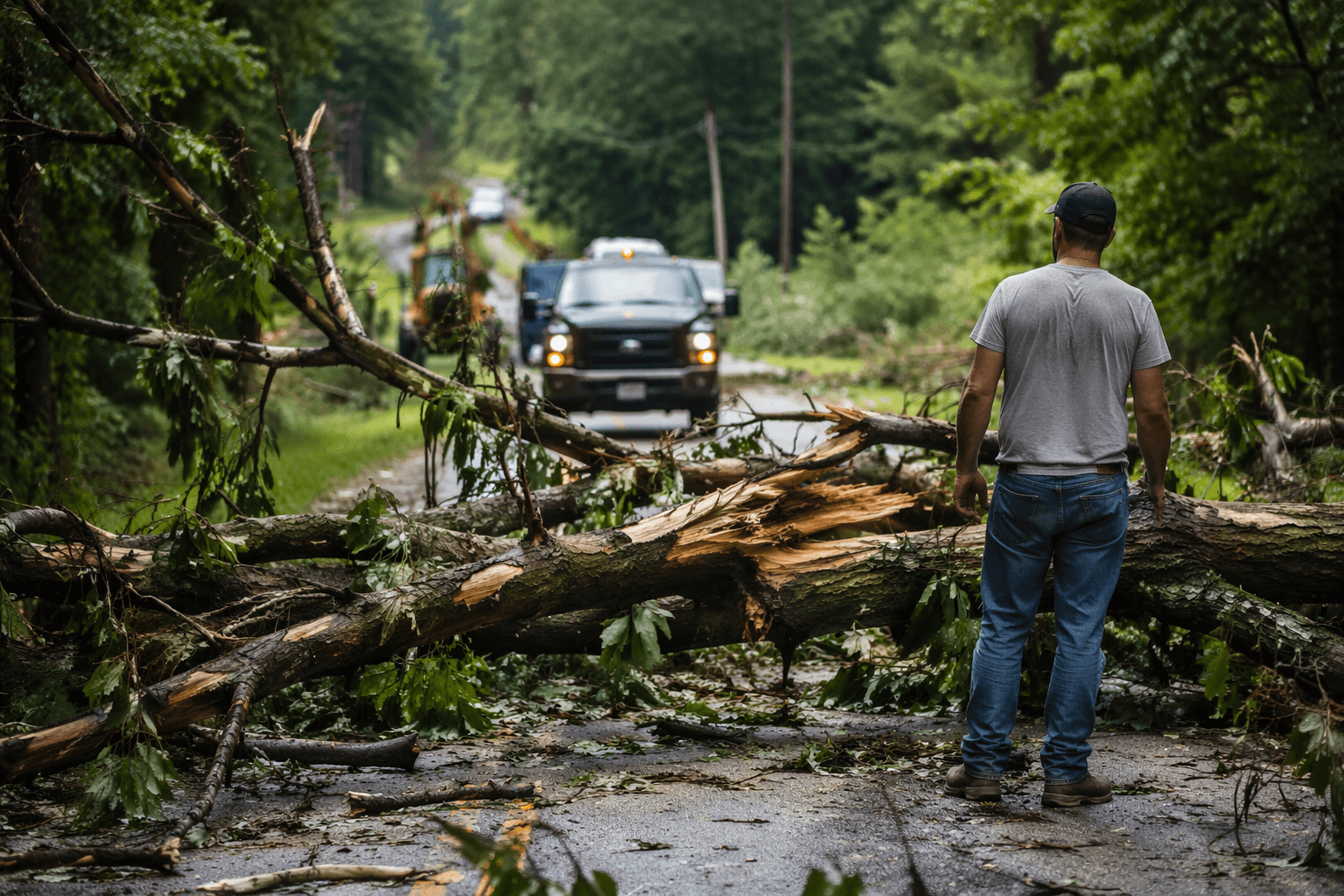
CDOT Accelerates Roadside Vegetation Work Ahead of High Wildfire Season
Colorado's record-warm winter and worst snowpack in decades pushed CDOT to accelerate roadside mowing and brush clearing before wildfire season hits.
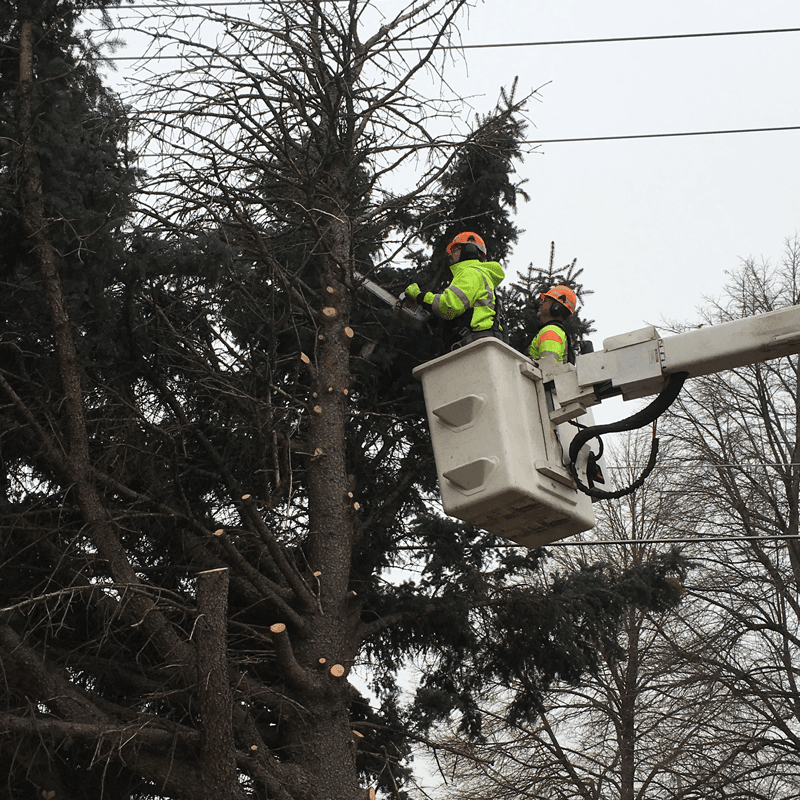
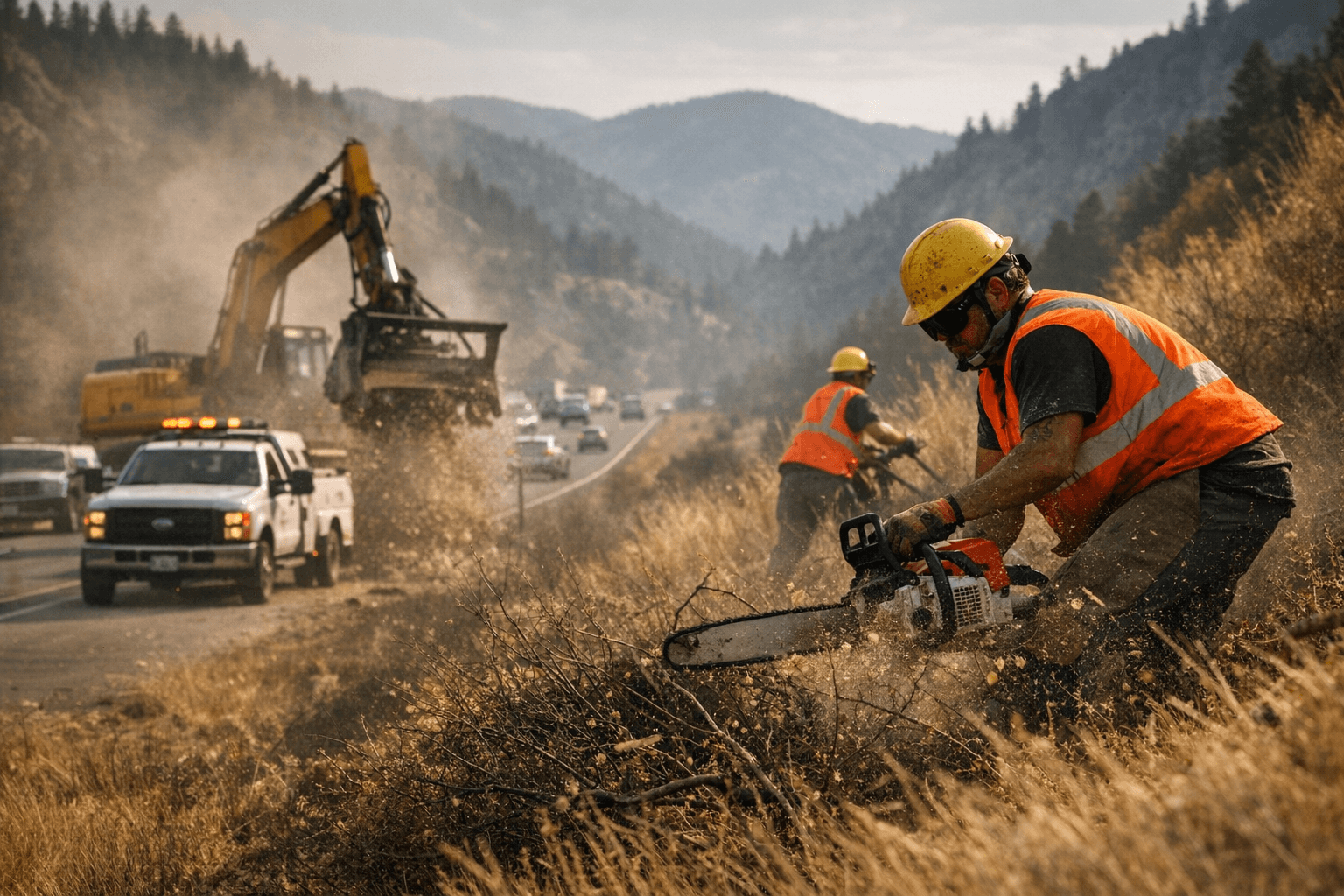
With Colorado's worst snowpack in decades and a record-warm winter leaving highway shoulders dry and combustible, the Colorado Department of Transportation on March 18 announced it had already begun accelerating mowing, brush clearing and vegetation treatments along high-priority corridors statewide before this summer's fire season arrives.
CDOT meteorologists warned of an "above-normal potential for significant fires across much of Colorado, but especially in the mountains and foothills." The agency identified elevated fire threat zones stretching from El Paso and Teller counties north to Larimer County, from Jefferson County west to Garfield County, and across the southwestern counties of Montezuma, La Plata, Archuleta, Dolores and San Miguel.
The urgency behind the announcement was underscored by Gov. Jared Polis activating the state's Drought Task Force earlier in the same week. CDOT said it is an active participant in that emerging multiagency drought response.
"Our highway corridors run through some of the most fire-prone landscapes in the country," said Bob Fifer, CDOT Deputy Director of Operations. "We have a responsibility not only to keep roads open, but to make sure our right of way isn't contributing to the fire problem."
CDOT's own release laid out precisely why highway shoulders are a concern: dry, unmowed grass and dense brush are among the most common ignition points for roadside wildfires, and a spark from a trailer chain, a hot catalytic converter or a vehicle fire can spread rapidly in drought conditions.
Beyond vegetation work, CDOT said it pre-positioned equipment in areas where roadway access could be critical for evacuation or fire suppression. Regional maintenance and operations centers have standing communication channels with local incident management teams. The agency also coordinated with the Colorado Division of Homeland Security and Emergency Management to ensure highway closure and traffic management protocols are current for potential fire-related incidents.
CDOT is working with the Colorado Division of Fire Prevention and Control, which identified the elevated threat zones driving the vegetation management focus, as well as the Colorado State Patrol, Colorado State Fire Chiefs, county emergency managers and local fire departments.
Logan County does not appear on CDOT's list of named elevated fire threat zones, which concentrated on the mountains, foothills and southwest Colorado. CDOT has not specified which northeast Colorado highway corridors, if any, are part of the accelerated work plan, and has not released mileage totals, crew counts or a completion timeline for the broader statewide program.
This article was produced by Prism’s automated news system from verified source data, official records, and press releases, then run through automated quality and moderation checks before publishing. The system is built and supervised by the people who set the standards it runs under. Read our full AI policy.
Did this article answer your question?