Colorado progress and shortfalls in emissions policy affect Logan County
Colorado released new emissions data and moved forward on a range of policy and regulatory steps, showing progress in some areas while missing key reduction milestones. That mixed result matters for Logan County because decisions on agriculture emissions, renewable energy siting, and permitting will shape land use, local revenues, and farm and ranch operations.
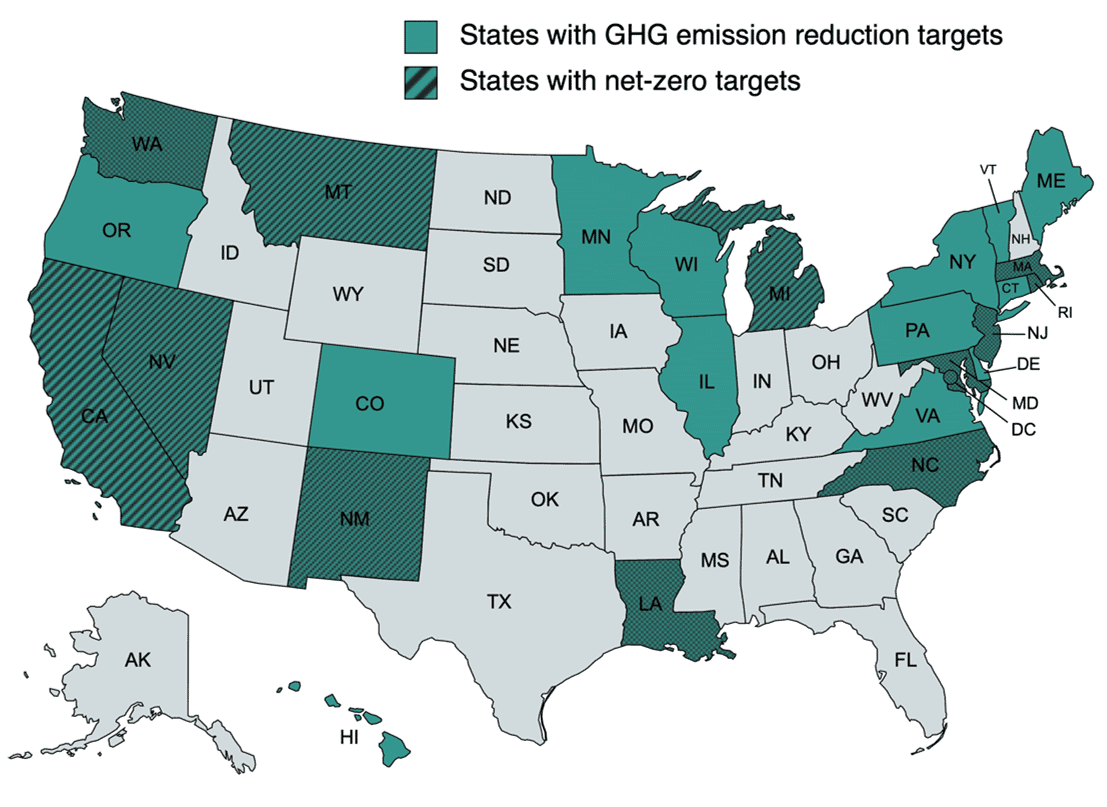
State emissions reporting and recent regulatory actions in late 2025 made clear that Colorado is advancing toward its greenhouse gas goals while falling short in important sectors. New data and policy developments highlighted gains in electricity sector emissions reductions, but agriculture, oil and gas production, and landfill methane continue to pose challenges for meeting statutory targets. State regulators, environmental advocates and industry representatives remain engaged in negotiations over the next phase of rules and implementation timelines.
For Logan County the implications are concrete and immediate. Rural counties on the Eastern Plains are home to the agricultural sources that contribute to the state inventory, and they are also the prime locations for new wind, solar and battery storage projects. Changes at the state level on emissions accounting, permitting requirements and siting criteria will influence where developers pursue projects, how producers manage operations, and how county officials evaluate land use applications.

Local governments face tradeoffs between preserving agricultural land and accommodating utility scale renewable development that can bolster property tax revenues. Developers seeking to colocate solar arrays or battery storage facilities often negotiate payment in lieu of taxes or other arrangements that affect the county budget. At the same time, any new requirements aimed at reducing methane or other agricultural emissions could impose compliance costs for farms and ranches or create opportunities for incentive programs and new revenue streams through carbon or methane mitigation markets.
The state level regulatory process also affects permitting timelines and administrative burdens for projects that require county sign off. Changes in siting guidance or environmental review could lengthen approval processes, or alternatively provide clearer pathways that make projects more attractive to investors. Logan County leaders and local stakeholders will be monitoring regulatory rulemakings, implementation schedules and available state incentives as officials weigh land use decisions in the year ahead.
As Colorado moves to reconcile its emissions trajectory with statutory milestones, the outcomes of state level policy debates will determine how benefits and burdens are distributed across rural communities. For Logan County those decisions will shape the landscape of agriculture, energy development and local public finances in the coming years.
This article was produced by Prism’s automated news system from verified source data, official records, and press releases, then run through automated quality and moderation checks before publishing. The system is built and supervised by the people who set the standards it runs under. Read our full AI policy.
Did this article answer your question?