Logan County editorial praises summer reading and food service programs
Free reading and meal programs are acting as Logan County’s summer safety net, giving children structure, food and a place to go when school is out.
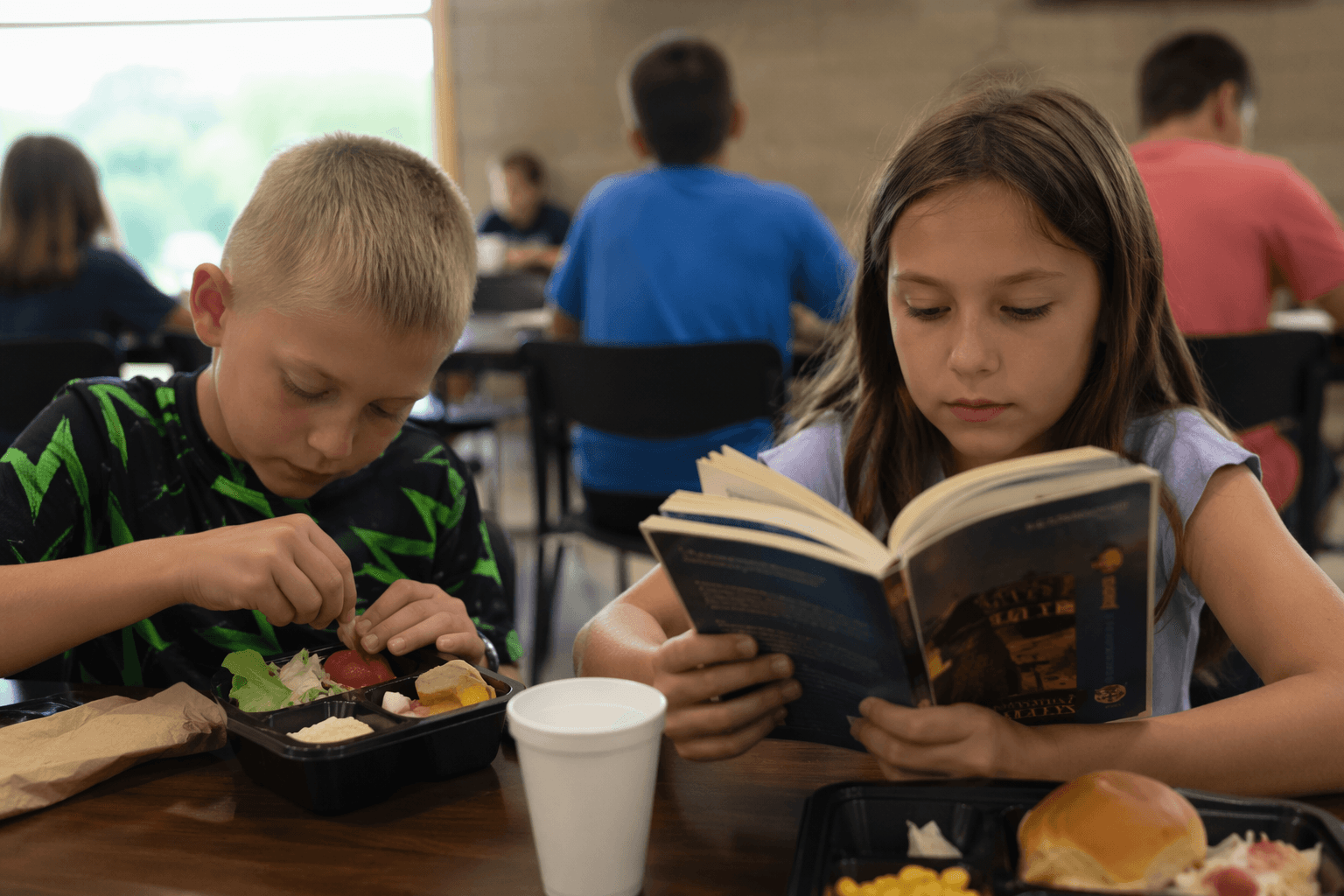
Summer changes the daily rhythm in Logan County fast, and that is exactly why Sterling Public Library’s reading campaign and the RE-1 Valley School District’s food service matter so much. The editorial’s core point is simple: when school lets out, families lose more than class time. They also lose built-in childcare support, dependable lunches and the routine that helps many children stay on track.
A summer safety net, not just a seasonal extra
In Sterling and across Logan County, these free programs are filling gaps that can be especially hard to absorb in rural and lower-income households. Library reading programs help keep children engaged when school is not in session, while summer meals make sure kids still have access to food at a time when cafeteria service disappears. That combination can be the difference between a summer with structure and one with fewer supports.
The local editorial praises that work because it is practical, not symbolic. It recognizes that public institutions still carry a large share of the burden for youth well-being, especially when families are juggling work schedules, transportation limits and tighter budgets. In a county where distance and limited options can make every errand harder, free programs are not a bonus. They are part of the local safety net.
Sterling Public Library’s Wendy Marks Summer Reading Program
Sterling Public Library’s 2026 summer reading effort is the Wendy Marks Summer Reading Program, and it runs from June 1 through July 31 at 420 N. 5th Street in Sterling. The library says the program includes activities for all ages, which makes it more than a narrow children’s event. It is built to give families a place to return to throughout June and July.
Family nights are part of that design, with many held on Tuesdays from 5 to 6 p.m. That schedule matters because it gives working parents and caregivers an evening option, not just daytime programming. For families trying to maintain a routine while school is out, a standing weekly event can be one of the few reliable anchors of the season.
The program also carries a name with local meaning. Wendy Marks, a longtime Sterling resident, has been recognized for a lifelong commitment to childhood reading and public libraries, including 25 years on the Sterling Public Library Board. That history gives the program a clear civic identity: it is rooted in a local belief that reading access should be available to every child, not just those with books at home.
Why summer reading is a public health issue too
Summer reading is often discussed as an education issue, but the impact reaches further. The Colorado Library Research Service says summer reading programs are meant to encourage reading for fun and help prevent summer learning loss. That matters in a county where students can lose ground quickly during long breaks, especially if home support, transportation or broadband access is uneven.
The programs also appear to change how children relate to reading itself. A Colorado survey found that about half of participating parents and caregivers reported improved enjoyment of reading, stronger reading skills and more reading by choice after summer reading participation. That kind of shift is important because voluntary reading is one of the clearest signs that literacy is becoming part of a child’s everyday life, not just a classroom requirement.
For Logan County, the larger public health point is this: learning, nutrition and stability are linked. Children who have a place to go, something to read and a dependable meal are less likely to spend the summer isolated or undernourished. Public programs cannot solve every inequality, but they can reduce the damage that happens when school-based support disappears.
Where the free meals are served
The RE-1 Valley School District says its summer food service begins June 1 at Prairie Park Pavilion, with service from 11:30 a.m. to 12:30 p.m. The site is across from the city swimming pool, which gives families a recognizable landmark and a central place to reach. For many households, location matters as much as the meal itself, because a free lunch is only useful if children can get there.
The district says all kids 18 and under eat for free at the summer meal site. That is an important detail for families planning around tight grocery budgets, summer childcare needs or irregular work hours. The USDA says summer meal programs provide free meals and snacks to children 18 and under with no application needed, which removes one of the biggest barriers that can keep eligible families from participating.
The district’s broader food-service system also shows how much infrastructure sits behind a program like this. RE-1 Valley says it operates under the Community Eligibility Provision and the Healthy Meals for All Program during the 2025-26 school year, and it runs five kitchens. That means the summer meal site is not an isolated goodwill effort. It is connected to a larger district operation that already feeds students every school day.
Why the county should pay attention
Colorado officials said more than 600 summer meal sites were open statewide, and sponsors provided approximately 2 million meals to Colorado youth last year. Those numbers put Logan County’s local effort in context. The need is not abstract, and the solution is not unique to one town. It is part of a statewide and federal system that depends on local schools, libraries and city partners to reach children where they live.
That is why the editorial’s praise lands as more than a pat on the back. It points to the institutions that quietly hold summer together in Sterling and Logan County. The library keeps children reading, the school district and city keep meals moving, and families get at least two pieces of stability during months that can otherwise be precarious.
In a season when daily structure can slip away, those free programs do real work. They keep children fed, engaged and connected to the public institutions that still matter most.
This article was produced by Prism’s automated news system from verified source data, official records, and press releases, then run through automated quality and moderation checks before publishing. The system is built and supervised by the people who set the standards it runs under. Read our full AI policy.
Know something we missed? Have a correction or additional information?
Submit a Tip