Logan County pest control district targets early noxious weed detection
Logan County is urging landowners to catch noxious weeds early, before B-list species turn a small patch into a costly countywide problem.
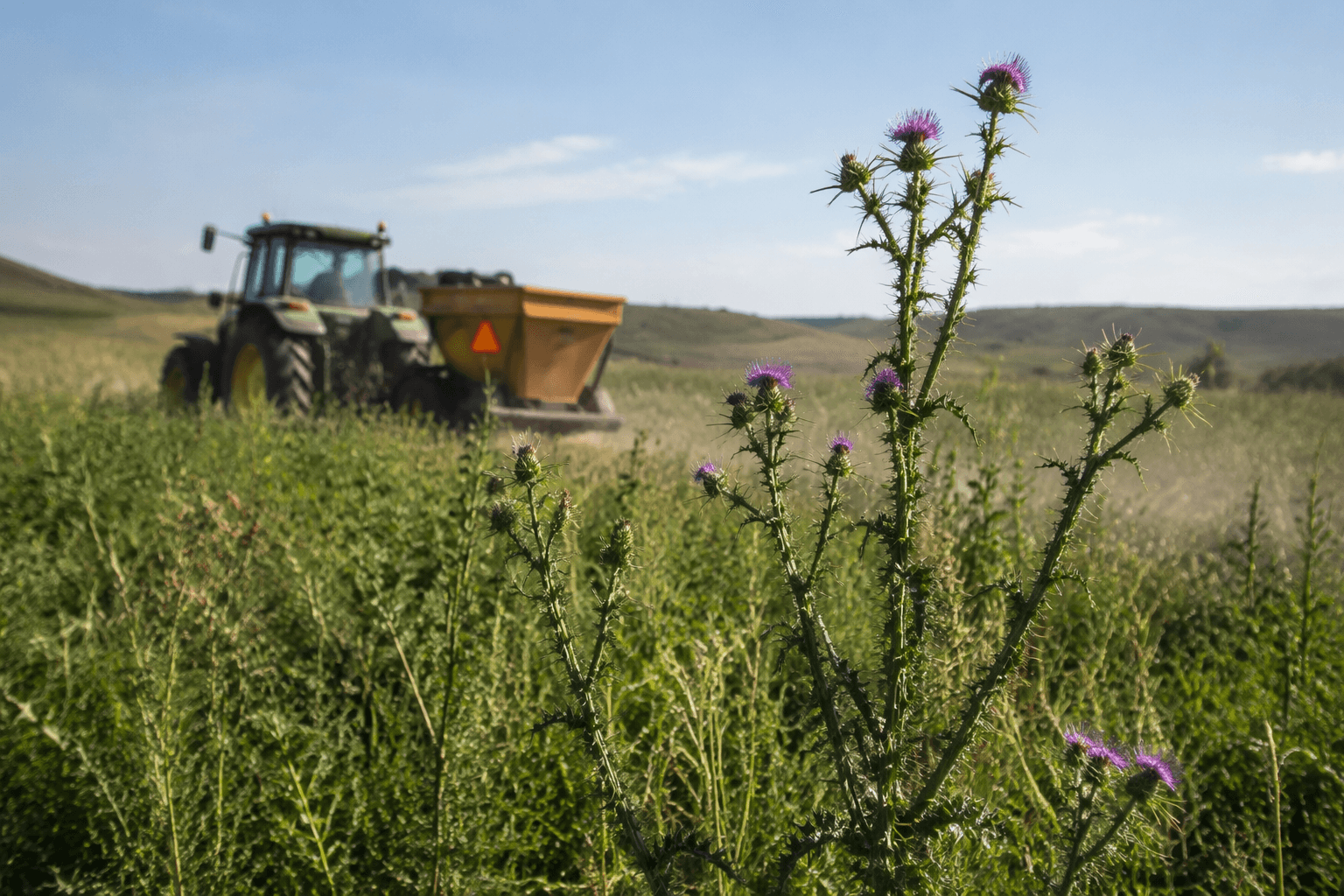
A patch of knotweed on a Logan County fence line can become a legal and financial headache long before it looks dramatic. Logan County’s Pest Control District exists to spot and control noxious weeds on privately held land, and early detection is the point: once a species spreads, the work gets more expensive, more regulated and harder to reverse.
What the Logan County district is for
The Logan County Pest Control District promotes the early detection and control of noxious weed species on privately held land within the district. A Colorado Land Conservation Assistance Network entry lists noxious weed control management, education and control assistance for all landowners in Logan County.
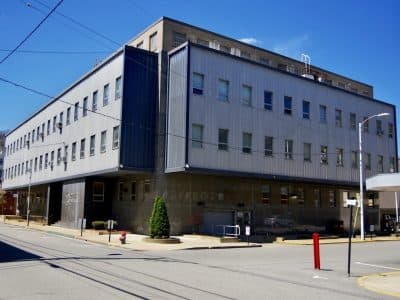
The district’s contact listing names David Appelhans and places the office at 1115 N. Division Avenue in Sterling, with the phone number 970-425-2396. For anyone trying to match a plant on a fence line, pasture, ditch bank or unused corner of acreage, that is the most direct local point of contact.
The weeds Logan County is watching now
The county’s weed guidance focuses heavily on prevention and classification. A key category is Colorado’s B list, which includes species already established in the state but still relatively new or actively spreading in Logan County. These plants can quickly transform an area, which is why the district treats them as a management priority instead of a simple nuisance.
Logan County’s broader framework also references a watch list that took effect in June 2020. The county uses that list to flag species before they become harder and more expensive to control, and the list names Bohemian knotweed, camelthorn and giant knotweed as examples of the kinds of invasive plants that can move from isolated patches to a wider infestation if landowners wait too long.
For rural property owners, the warning sign is not only what a weed looks like, but how it behaves. A suspicious plant that was not present last season, or a patch that is already expanding into open ground, can move from a monitoring problem to a control obligation quickly under Colorado’s noxious weed framework.
What the law says private landowners must do
Colorado’s Department of Agriculture defines a noxious weed as an alien plant or plant part designated by rule as noxious, or one declared noxious by a local advisory board. These weeds threaten wildlife habitat and natural resources and create economic hardships for agriculture and landowners.
Weed management is not the same everywhere. Under the state model, List A weeds must be eradicated countywide, while List B species must be eradicated, contained or suppressed depending on the county plan and the location of the infestation. Logan County’s own B-list guidance fits that system, meaning the same plant can trigger different obligations depending on where it shows up and how established it is.
Landowners are expected to manage weeds according to the species list and the infestation status on their property. On acreage where cattle, crops and neighboring holdings can all be affected by spread, weed control is a compliance issue as much as a stewardship issue.
What to look for on your ground
Early detection starts with plants that are out of place and growing with unusual speed. A B-list species that is still limited in one part of Logan County may require eradication, while the same species in another location may fall under suppression or containment.
- A new patch of knotweed or camelthorn in a place that was clean last year
- A plant population that is expanding beyond a single clump
- Dense growth that starts crowding out desirable forage or native cover
- Infestations along private acreage where movement of seed or root fragments can carry the problem elsewhere
Watch especially for:
Colorado’s Department of Agriculture calls noxious weed control Early Detection Rapid Response, a cost-effective strategy focused on finding and eliminating new invasive species quickly before they become widely established. In Logan County, a small patch on private land can become the source of repeat treatment across a wider area.
Why speed matters for crops, pasture and neighboring land
Noxious weeds threaten wildlife habitat, natural resources and agricultural economics, and Jefferson County warns invasive non-native weeds can devastate thousands of acres of habitat and natural areas if left uncontrolled. On working land, that translates into reduced productivity, more treatment expense and more time spent reclaiming ground that should be producing forage or crops.
Noxious weed seeds can travel by wind, water and animals, and can also hitch a ride in mud on tires or on clothing. That means an infestation on one property can quickly become a neighboring property’s problem, especially in rural Logan County where private acreage, pasture and travel corridors sit close together.
Colorado’s Department of Agriculture is taking public feedback on potential updates to the state noxious weed list to shape the 2027 Administrative Rule Update.
This article was produced by Prism’s automated news system from verified source data, official records, and press releases, then run through automated quality and moderation checks before publishing. The system is built and supervised by the people who set the standards it runs under. Read our full AI policy.
Did this article answer your question?