Old Warehouse Antiques featured as Chamber member, tied to Sterling history
Old Warehouse Antiques is more than a shop on North Front Street. Its 326 address ties Sterling shoppers to a building that has anchored downtown commerce for generations.

A Front Street landmark with a second life
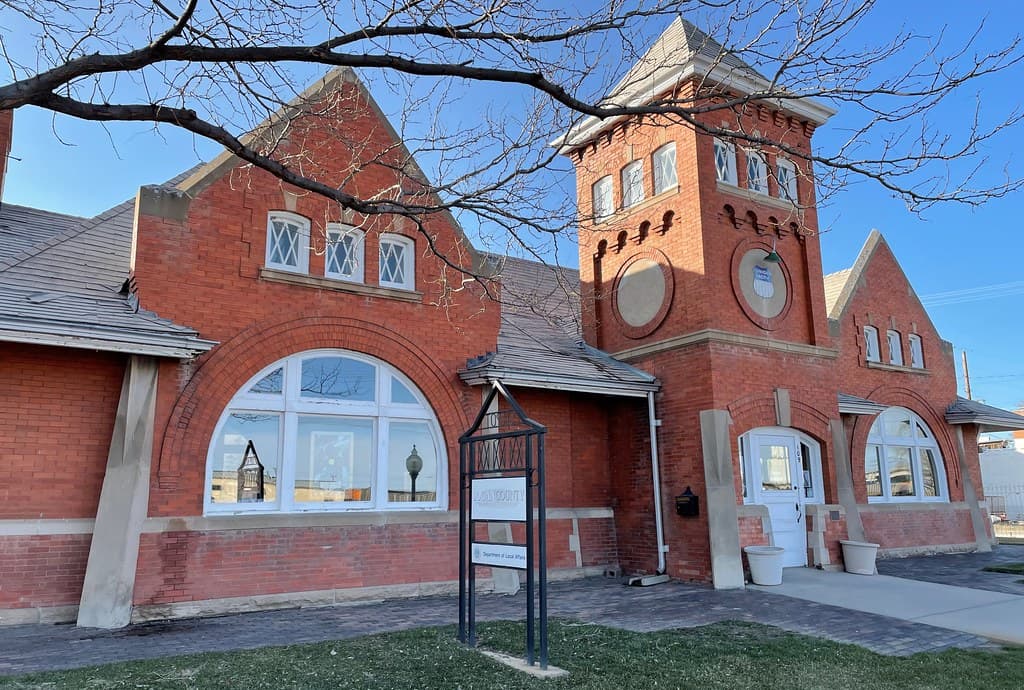
Old Warehouse Antiques fits Sterling’s downtown in a way few stores can. The building at 326 North Front Street is already part of local memory, having housed Eastman Brothers Wholesale and Distributing beginning in 1952, and that long commercial history gives the shop a built-in sense of place that goes far beyond a normal retail stop. In a downtown where old buildings often carry more than one life, this one tells the story in brick, business, and continuity.
That matters on North Front Street because the shop is not just occupying space, it is extending a pattern that has defined Sterling for more than a century. The downtown core has been a place where residents, farmers, travelers, and collectors all cross paths, and Old Warehouse Antiques adds to that mix by turning a historic warehouse into a destination that still draws people inside.
Why the building itself is part of the draw
The address at 326 North Front Street is not memorable only because of what it sells now. It is recognizable because it has served Sterling through multiple eras of commerce, and that kind of layered history is part of what gives downtown its character. Mary Eastman and Charles Korbe began transitioning the old Front Street warehouse into Old Warehouse Antiques in 1993, creating a bridge between the building’s earlier wholesale identity and its current role as an antique destination.
A later profile says Mary Eastman opened Old Warehouse Antiques in 1994, while another account notes that the warehouse had originally been a distributorship started in 1933. Colorado business records also show Eastman Brothers, Inc. was formed on December 15, 1958, with 326 N Front St listed as its registered office. Taken together, those details show a business property that evolved gradually, not abruptly, and that kind of layered ownership history is exactly what makes downtown Sterling feel lived-in rather than preserved behind glass.
For local shoppers, that continuity is part of the appeal. A place that once handled wholesale distribution now holds glassware, furniture, collectibles, and other vintage items, but the building itself still carries the memory of its earlier use. That is the kind of reuse that keeps historic blocks active instead of frozen.
How Old Warehouse Antiques fits downtown Sterling today
The store’s current inventory is broad enough to serve casual browsers and serious collectors alike. Its website describes offerings that include fine glass, furniture, collectibles, and more, arranged in room-like settings or vignettes that let visitors move through the warehouse as if they were stepping from one collected space to another. That presentation matters because it makes the store feel less like a storage building and more like a curated experience.
That format also supports downtown foot traffic. Specialty retail such as antiques often brings visitors who are willing to linger, browse, and continue down the block to other businesses, which helps the historic commercial corridor work as a connected district rather than a set of isolated storefronts. In a city where the shopping mix has to serve both locals and people coming in from surrounding towns, a business like Old Warehouse Antiques helps strengthen the case for making downtown the first stop.
The shop’s role extends beyond Sterling city limits too. Its presence in northeastern Colorado gives it a regional draw, especially for people looking for distinctive merchandise that cannot be replicated by chain retail. That makes it part of the everyday economy of Logan County while also reinforcing Sterling’s identity as a place worth visiting.
Why the Chamber spotlight lands in a bigger civic pattern
The Logan County Chamber of Commerce feature works because it highlights more than a single business. It points to the way Sterling grows by keeping its historic core active, and that is a practical economic story as much as a nostalgic one. In smaller markets, every occupied downtown building matters because it supports nearby businesses, helps sustain walking traffic, and keeps the commercial district visible.
Sterling is well positioned for that kind of reuse. History Colorado says the Downtown Sterling Historic District has provided goods and services to Sterling and surrounding areas since 1896. The district covers about eight square blocks and includes 88 resources, 54 of them contributing buildings. That makes Old Warehouse Antiques part of a much larger historic fabric, not an isolated storefront. It is one more example of how the city’s older commercial spaces continue to generate economic activity instead of sitting empty.
The city’s broader role helps explain why that matters. History Colorado describes Sterling as a major agricultural center, a key railroad junction, a commercial center, and a regional government center. The City of Sterling also describes it as a regional shopping hub for Northeast Colorado and Southwest Nebraska, and notes that it is the largest population center in Colorado east of Pueblo, with an estimated population of about 14,777. In that context, keeping a recognizable building like 326 North Front Street active is part of preserving the city’s market position as much as preserving its history.
A local business with visitor value
Old Warehouse Antiques is the kind of store that serves multiple audiences at once. It gives longtime residents a familiar building to return to, it gives collectors a reason to stop in, and it gives downtown Sterling another place where history and commerce still overlap naturally. That blend is especially valuable in Logan County, where communities compete not just on price and selection but on character, convenience, and the ability to offer something that feels distinctly local.
The shop’s appeal lies partly in its inventory and partly in its setting. A warehouse full of glass, furniture, and collectibles already has a certain draw, but placing that business inside a building with roots in Sterling’s wholesale past gives it a story shoppers can feel as soon as they walk in. That kind of authenticity is hard to manufacture, and it is one reason the store stands out in the downtown mix.
For North Front Street, the result is simple: Old Warehouse Antiques helps keep one of Sterling’s recognizable buildings in active use while reinforcing the district’s long-standing role as a place where the city still comes to do business. That is the real value of the chamber spotlight, because it shows how one storefront can still carry the weight of Sterling’s past and the traffic of its present.
This article was produced by Prism’s automated news system from verified source data, official records, and press releases, then run through automated quality and moderation checks before publishing. The system is built and supervised by the people who set the standards it runs under. Read our full AI policy.
Did this article answer your question?