Overland Trail Museum adds hands-on history fun for kids in Sterling
Sterling’s Overland Trail Museum gives families a low-cost, screen-free way to turn Logan County history into a hands-on outing for kids.
A family outing that makes history active
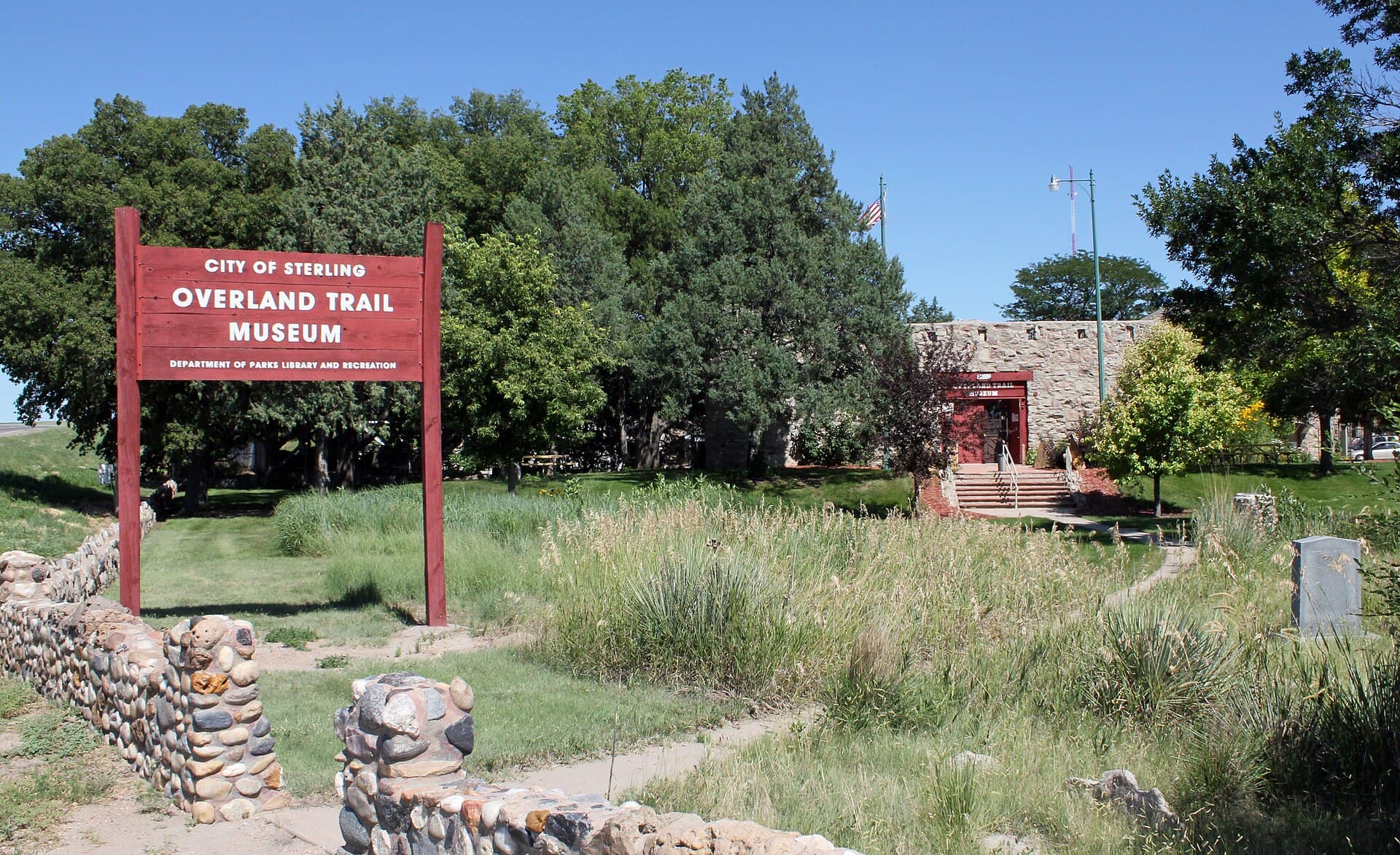
Overland Trail Museum gives Logan County families something practical to do with kids: a nearby, low-cost stop where children can move through history instead of just looking at it. In Sterling, the museum uses scavenger hunts, I Spy-style games, and Baxter the History Buffalo to keep young visitors searching for animals, spotting artifacts, and picking up facts as they go.
That matters in a county like Logan, where the 2020 Census counted 21,528 residents and Sterling serves as the county seat. A museum visit that works for parents, grandparents, and children of different ages fills a real need, especially when the goal is a family trip that is both educational and easy to fit into a day.
What kids actually do there
The museum’s kid-friendly approach is built around discovery. Instead of asking children to stand still and absorb labels, the activities send them looking for details across the grounds and through the exhibits. Baxter the History Buffalo helps guide that search, turning the visit into something more like a game than a lecture.
That format works well for mixed age groups. Younger children can enjoy the visual hunt for animals, objects, and clues, while older kids can connect those finds to broader local history. For parents and grandparents, that makes the museum a rare outing where different generations can stay engaged in the same place without needing separate plans.
The payoff is simple: children leave with a sense that Logan County history is something they can touch, find, and remember. That kind of active learning tends to stick, especially when the setting is full of real objects and preserved buildings rather than a screen or worksheet.
A museum built around local heritage
The Overland Trail Museum itself has deep roots in Sterling. The City of Sterling says it opened in 1936 as a Works Progress Administration project, which gives the site a long civic history of its own. The museum also commemorates gold seekers and early pioneers who traveled west along the Overland Trail, a branch of the Oregon Trail.
That route followed the south bank of the South Platte River through northeastern Colorado. City materials say the trail was among the most heavily traveled roads in the United States between 1862 and 1868, a reminder that the corridor passing near today’s Logan County was once a major artery of westward movement. For local families, that history is not abstract. It is the story the museum brings down to a child’s level.
What families can see on the grounds
Part of the museum’s appeal is the variety of structures and collections packed into one site. Visitors can explore a replica fort, along with historic buildings such as a house, church, school, blacksmith shop, and general store. Another city listing adds a prairie school, barbershop, 1915 stone block house, caboose, and boxcar depot to the mix.
Those details matter because they give children more than one kind of history to experience. A schoolroom, a shop, a house, and a fort each suggest a different part of daily life on the prairie. Instead of reading about the region’s past in one place, families can walk from building to building and see how early settlement, work, transportation, and community life fit together.
The museum’s collection also includes pioneer history, Native American artifacts, and antique farm equipment. That combination helps explain why the museum is useful for both casual visitors and families who want something more substantial than a quick stop. It offers enough variety to keep children moving while still grounding the visit in the real material culture of the region.
Programs that make return visits worthwhile
The city says the museum offers schools and other visiting groups many hands-on, interactive programs, which fits the museum’s broader approach to learning by doing. It also hosts regular and seasonal events throughout the year, including Prairie School, the July 4th Heritage Festival, Christmas on the Prairie, the annual Victorian Tea, and History Café.
That schedule gives Logan County families reasons to come back more than once. A child who enjoys a scavenger-style visit in one season may have a different experience at a holiday program or a school-related event later in the year. The museum’s calendar also helps make it a useful destination for grandparents looking for a dependable outing that can be repeated without feeling stale.
City materials say visitors come from every state and many countries each year, which underscores the museum’s reach beyond the county line. Even so, its most immediate value remains local: it gives Sterling and the surrounding Logan County area a place where history is not tucked away behind glass, but made available in a form children can understand.
Why it works so well for Logan County
The Overland Trail Museum fits the needs of a rural county because it combines education, affordability, and ease of access in one stop. Families do not need a special occasion to make the trip to 110 Overland Trail in Sterling, Colorado. They can go for an afternoon, build a visit around a seasonal program, or use it as a screen-free way to fill part of the weekend.
For local parents and grandparents, that makes the museum more than a heritage site. It is a practical family resource that turns Logan County’s pioneer story into something children can enter, search through, and remember. That is what gives the museum staying power: it keeps the county’s past visible by making it fun enough for kids to want to learn it.
This article was produced by Prism’s automated news system from verified source data, official records, and press releases, then run through automated quality and moderation checks before publishing. The system is built and supervised by the people who set the standards it runs under. Read our full AI policy.
Did this article answer your question?