Pelton briefs Logan County commissioners on legislative session outcomes
Pelton told Logan County commissioners the session ended with gains and misses, with roads, budgets and other county priorities now moving toward implementation.

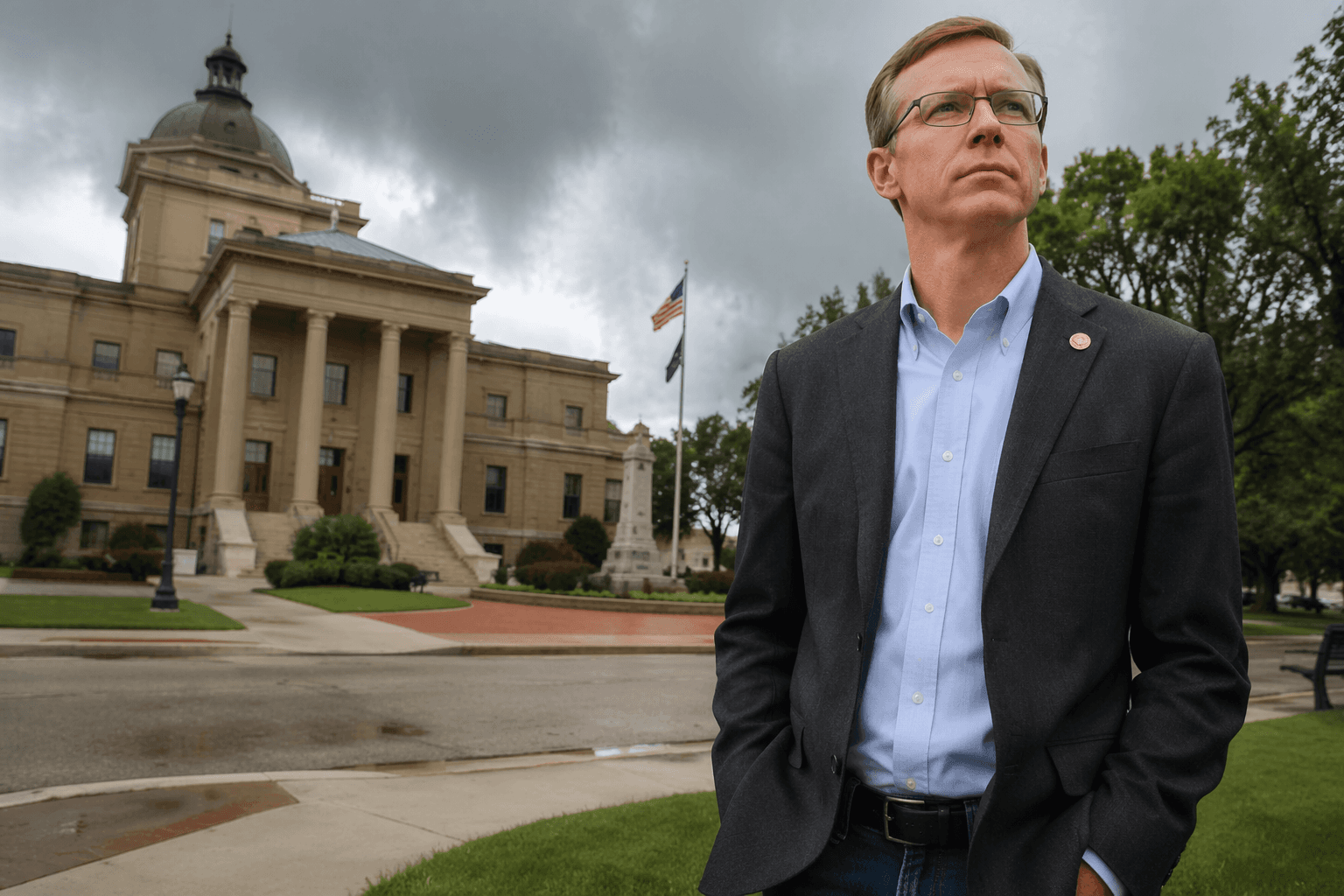
State Sen. Byron Pelton used a Logan County commissioners work session to turn the just-ended legislative session into a local accounting of what changed, what stalled and what residents are likely to feel next. The May 19 briefing came six days after the Colorado General Assembly adjourned sine die on May 13, putting the focus on how decisions from Denver will filter into county budgets, roads, schools, water and other services in Logan County.
Pelton represents Colorado Senate District 1, which includes Logan County and neighboring counties in northeastern Colorado, and his role makes the meeting more than a routine update. As minority caucus chair, with committee assignments on Agriculture & Natural Resources, Appropriations, Capital Development, Legislative Council and Transportation & Energy, Pelton sits at the intersection of the issues that most often land on county desks. His legislative profile listed 27 Senate bills for the 2026 regular session, underscoring how much of his work can affect local governments that must carry out state policy.

Roads remain the clearest pressure point. Pelton previously said road maintenance is “probably the No. 1 issue” in his seven-county district, a view that aligns closely with what Logan County officials hear from residents who drive county roads, farm routes and state corridors every day. Earlier this year, a county-backed road-funding resolution tied to Pelton advanced through the Colorado Senate Transportation Committee, showing that the infrastructure fight was already active before the session ended. For Logan County, the question now is whether that momentum turns into dollars, project approvals or only another round of legislative promises.
The timing also matters. Bills enacted without a safety clause are scheduled to take effect on August 12, 2026, creating a short runway between session-end politics and the first wave of implementation. That means county leaders will soon have to sort through which measures alter spending, land use, agricultural operations or public services, and which ones leave local officials to absorb the costs. In a county that publishes commissioner agendas and work sessions through its agenda center, Pelton’s appearance fit the kind of direct state-local coordination residents expect when state decisions begin reaching the courthouse in Sterling and the roads beyond it.
The session recap gave commissioners a chance to compare what passed in Denver with what still needs fixing at home. For Logan County, the real test now is not what was debated at the Capitol, but when those decisions start showing up in county budgets, road projects and daily operations.
This article was produced by Prism’s automated news system from verified source data, official records, and press releases, then run through automated quality and moderation checks before publishing. The system is built and supervised by the people who set the standards it runs under. Read our full AI policy.
Did this article answer your question?