Polis declares drought emergency, raising concerns for Logan County farms
Polis' drought emergency put Logan County farms, water planning and wildfire risk on alert as dry conditions tightened across northeastern Colorado.
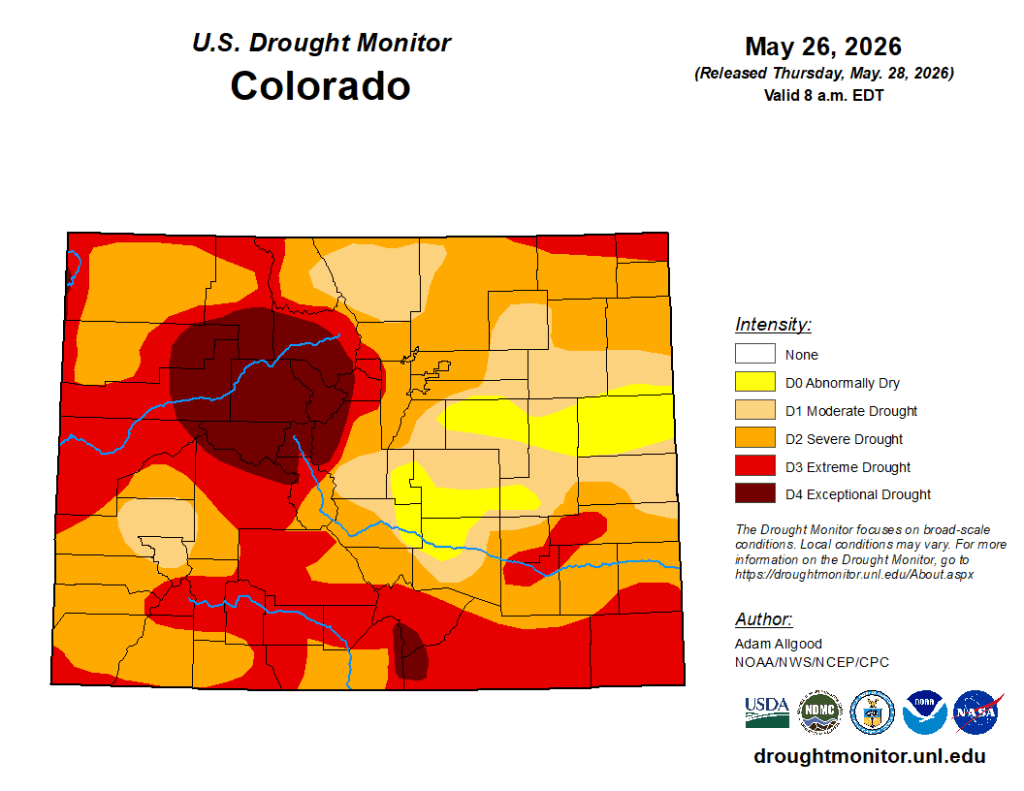
Gov. Jared Polis’ statewide drought emergency put Logan County’s farms, water supply planning and fire risk squarely in the crosshairs. For a county where land and water drive both the economy and daily routines, the declaration signaled that dry conditions had reached a level serious enough to draw added state attention.
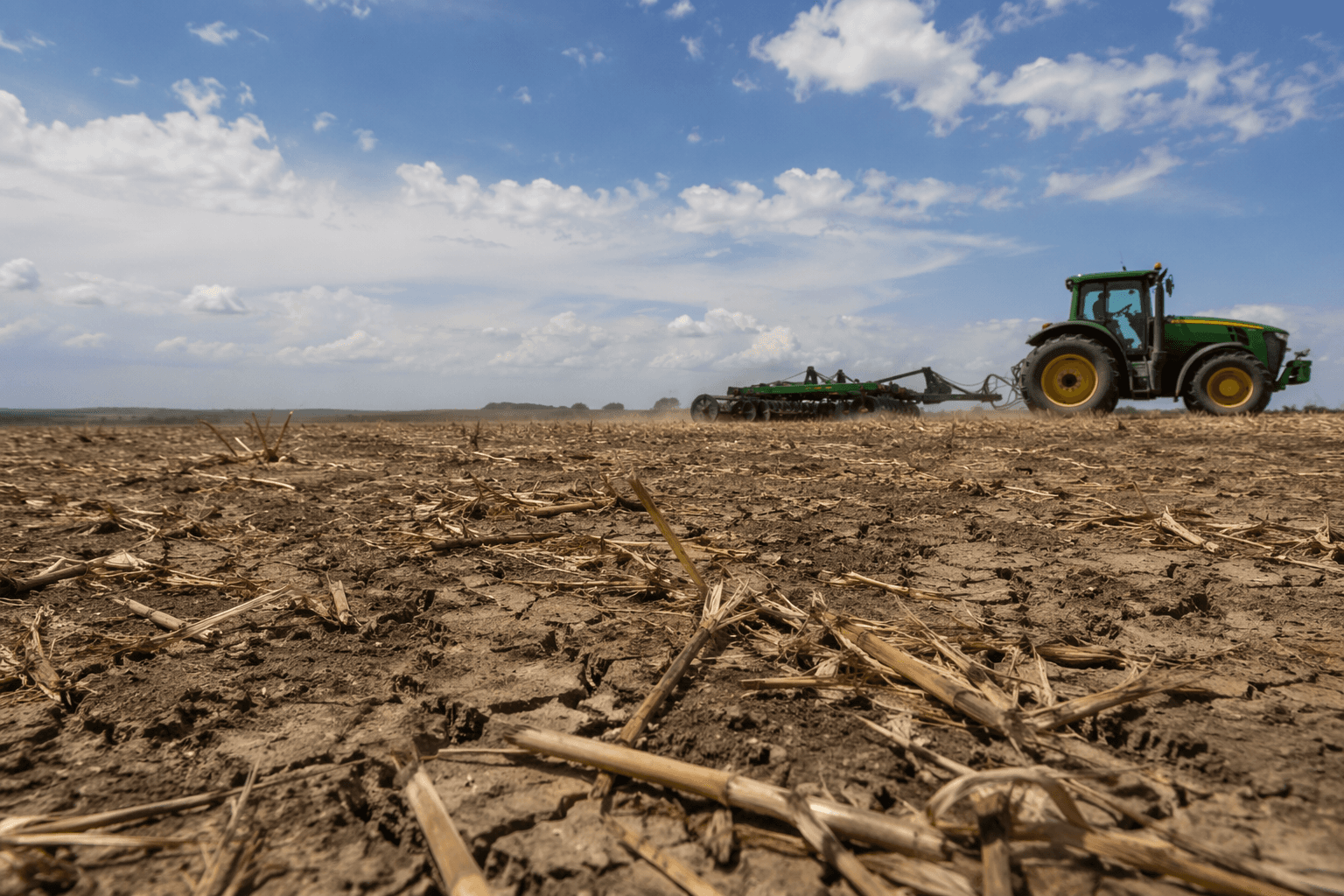
Farmers across Logan County will be watching irrigation supplies, soil moisture and crop stress more closely after the June 5 declaration. In a dry year, every decision about when and how much to irrigate can affect yields, and that pressure can move quickly from the field to the balance sheet. Ranchers are likely to be thinking just as hard about pasture conditions and the cost of extra forage if grass production lags.
The emergency also carries meaning for local government planning in Sterling and the county’s smaller communities. Even without any county-specific restriction announced in the headline, a statewide drought declaration often pushes water use messaging, infrastructure monitoring and emergency preparedness higher on the agenda. That matters for municipal water planning because dry conditions can strain systems that already have to balance household demand, business needs and agricultural use.
Residents in rural parts of Logan County could feel the effects in less direct but still important ways. Dry weather raises wildfire risk, especially where roadside vegetation and open grassland can fuel fast-moving fires. It can also change how people use outdoor spaces, from recreation on exposed ground to basic household conservation when drought becomes part of the public conversation.
What changes right now is the state’s posture: Polis has elevated drought from a weather concern to an official emergency, which usually brings more coordination and public awareness. What does not change overnight is the absence of any county-specific rationing or restriction in the headline itself. For Logan County, the immediate impact is warning, not mandates, but the warning is aimed at an economy and landscape that depend heavily on land, irrigation and predictable water supplies.
This article was produced by Prism’s automated news system from verified source data, official records, and press releases, then run through automated quality and moderation checks before publishing. The system is built and supervised by the people who set the standards it runs under. Read our full AI policy.
Know something we missed? Have a correction or additional information?
Submit a Tip