Potential Two Gigawatt Data Center Could Transform Logan County Economy
Logan County officials and economic development leaders say conversations have taken place about a proposed hyperscale data center near Sterling that could demand up to 2 gigawatts of electrical capacity, a scale that would be unusually large for Colorado. The project, linked to a New York based developer identified as Granite Renewables, has prompted a county moratorium and a push to update local rules, because of questions about energy, water, transmission access, and community impacts.
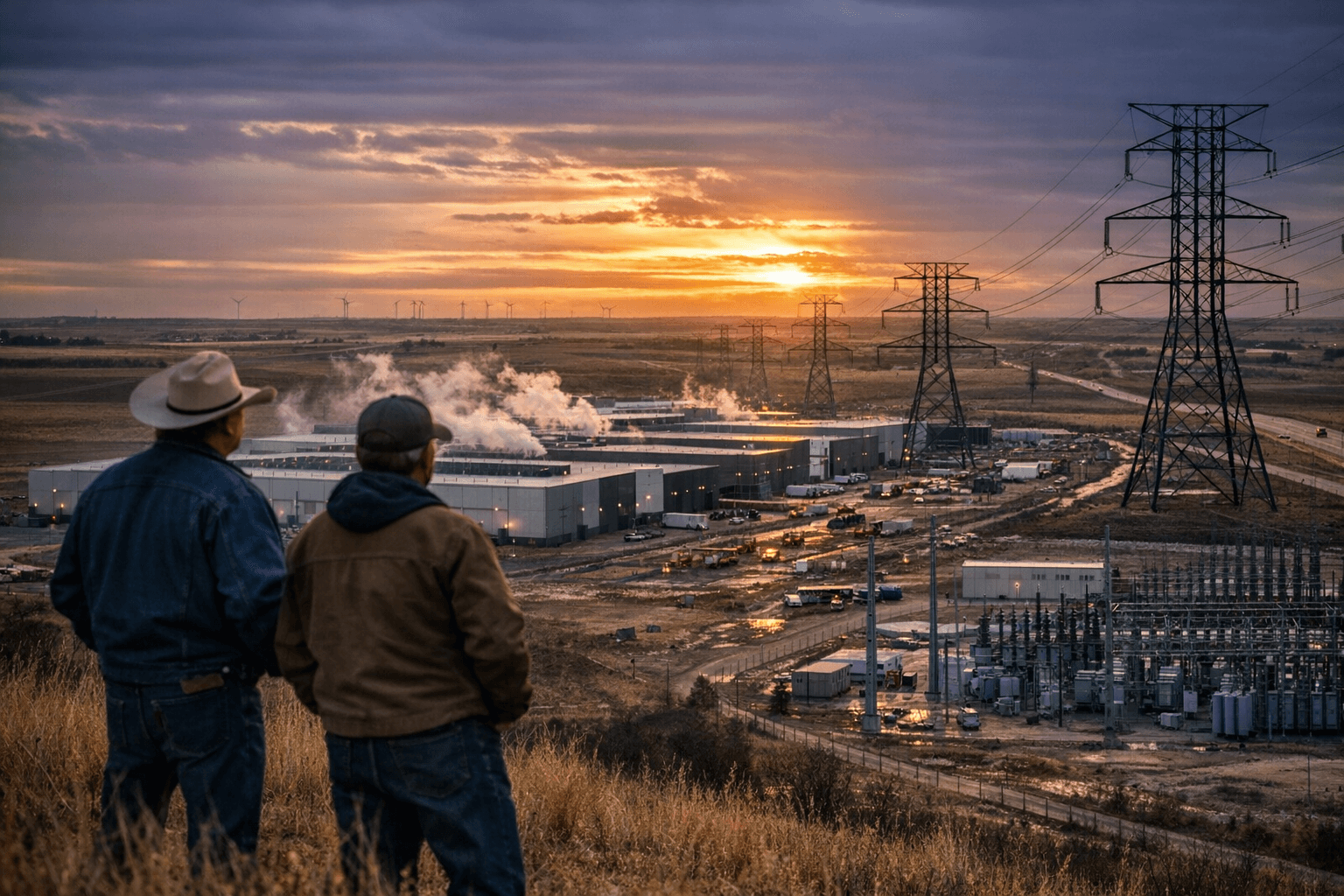
County leaders and local economic development stakeholders disclosed discussions about a possible hyperscale data center project roughly 20 miles northwest of Sterling, a site described as sparsely populated wheat and grazing country. Reporting on December 29, 2025 indicated a New York based developer identified on its website as Granite Renewables has been meeting with officials, though public information about the developer and deal specifics remains limited.
The size discussed in those conversations would be substantial. Project proponents have said the site could demand up to 2 gigawatts of electrical capacity. At that scale the development would likely require on site or nearby generation and storage including solar, battery storage, and likely some natural gas backup or other flexible generation along with major transmission access. County and regional officials are pressing for details about how any power and backup generation would be sited and regulated.
Logan County imposed a moratorium in October 2025 on data centers, battery storage and large renewable projects while regulations are updated. The county Planning and Zoning Commission has recommended new regulations for data centers and battery storage, and county commissioners are scheduled to review those recommendations on January 6, 2026. The moratorium and the rulemaking process reflect a desire to balance economic opportunity with safeguard measures for infrastructure and residents.
Local economic advocates point to potential benefits, including a large capital investment, construction jobs during build out, and some permanent higher paying technology and operations positions if the project is built. Lower land prices in the agricultural landscape northwest of Sterling, together with available acreage, proximity to transmission and gas infrastructure, and relatively few nearby neighbors, help explain why the area drew interest from a hyperscale developer.
At the same time county and regional officials have raised concerns about water needs, energy supply reliability, oversight of battery storage safety and disposal, environmental impacts, and the long term effects on local services and tax bases. Those questions are central to the discussion about how to craft protective local regulations rather than proceeding quickly with approvals.
For residents and local businesses the outcome will determine whether Logan County becomes a new node in the data center economy or whether tighter rules and unanswered infrastructure questions slow or redirect development. The next step in the public process is the commissioners review on January 6, 2026, which will shape the county framework for evaluating any formal proposal going forward.
This article was produced by Prism’s automated news system from verified source data, official records, and press releases, then run through automated quality and moderation checks before publishing. The system is built and supervised by the people who set the standards it runs under. Read our full AI policy.
Did this article answer your question?