Sterling Correctional Facility, Local Economy, and State Policy Impact
Sterling Correctional Facility remains the Colorado Department of Corrections largest prison with capacity of about 2,585, and its operations continue to shape Logan County's economy and public services. State level decisions on staffing, inmate programs, and contracting carry direct consequences for local payroll, vendor revenues, healthcare capacity, and emergency planning, making oversight and civic engagement important for residents.
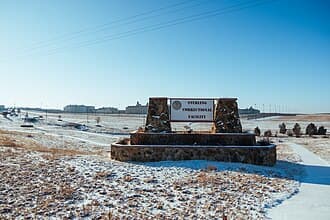
Sterling Correctional Facility in Sterling functions as a central institution for Logan County, both as Colorado Department of Corrections largest prison and as a major local employer. With a capacity of roughly 2,585, the facility's payroll and procurement purchases provide steady demand for downtown Sterling businesses and the broader county economy. That economic footprint translates into tangible effects on municipal revenues, local vendor contracts, and employment patterns across the region.
Operations at the facility intersect regularly with public services. Local healthcare providers deliver medical and behavioral health services to inmates and staff, while county transportation and emergency systems coordinate movement and responses tied to facility needs. Periodic multiagency coordination for public safety and health responses has become part of the operational routine, obligating Logan County agencies to plan for shared contingencies and budgetary implications.
Policy debates at the state level have direct local consequences. Decisions about staffing levels, program funding for education and rehabilitation, and the awarding of vendor contracts determine how much revenue and employment remain in Logan County. Recent public interest and policy coverage has focused on inmate programs and administration, highlighting how state corrections policy choices cascade into municipal budgets, service delivery, and long term community planning.
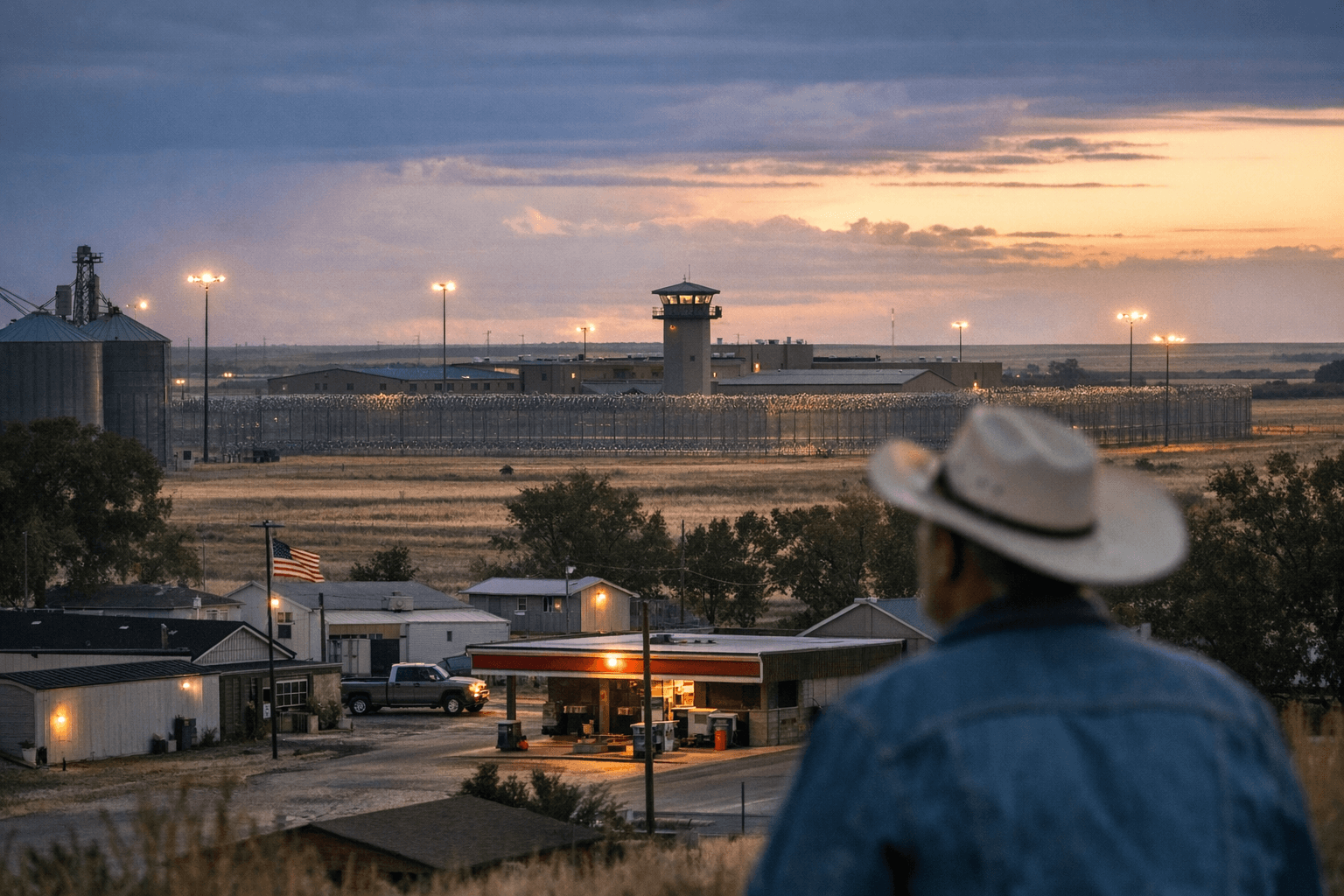
The facility's centrality also shapes civic dynamics. Employment tied to corrections can influence local voting patterns and political priorities as residents weigh economic stability against questions of institutional accountability and program effectiveness. For county leaders and voters, attention to transparency in contracting, oversight of inmate programs, and coordination with state agencies is critical to ensure taxpayer resources align with community needs.
Looking ahead, Logan County officials, state legislators, and residents will need to sustain communication and oversight as corrections policy evolves. Clear reporting on budget impacts, proactive emergency planning between agencies, and informed civic engagement will determine how well the county manages the economic and public safety responsibilities that accompany hosting the state prison.
This article was produced by Prism’s automated news system from verified source data, official records, and press releases, then run through automated quality and moderation checks before publishing. The system is built and supervised by the people who set the standards it runs under. Read our full AI policy.
Did this article answer your question?