County urges residents to attend LANL chromium plume briefing June 3
Groundwater, cleanup accountability and drinking-water confidence will be on the table when state regulators brief the Board of Public Utilities on the LANL chromium plume June 3.
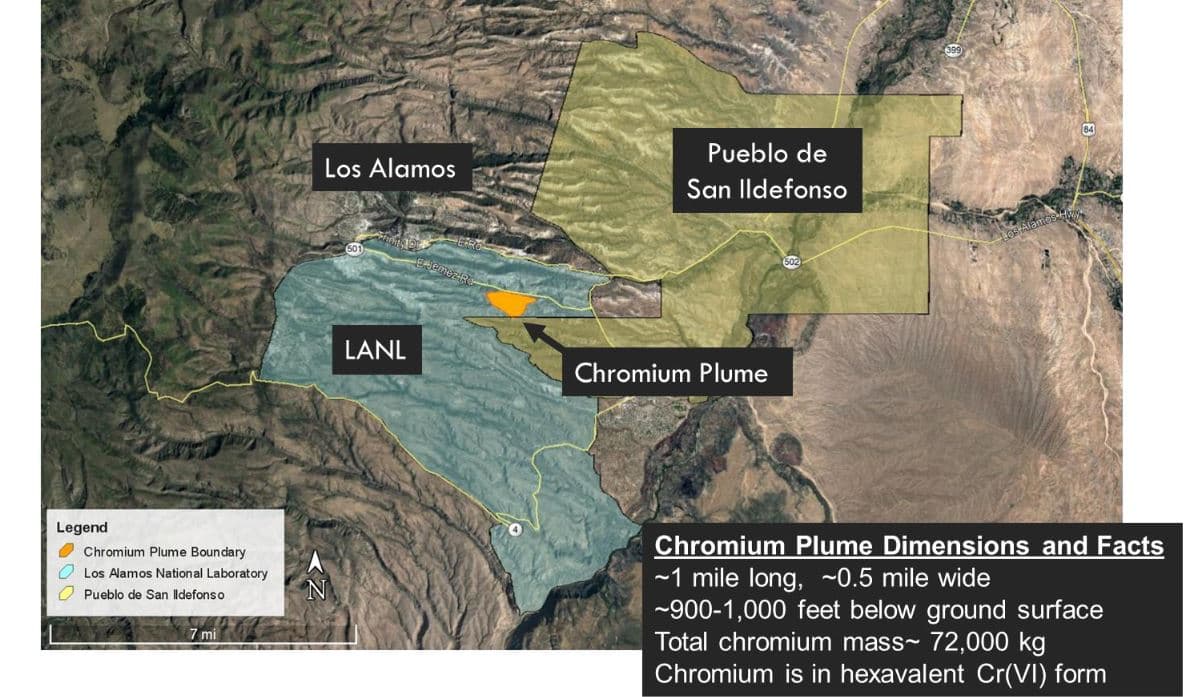
Groundwater, cleanup accountability and confidence in Los Alamos County’s water system will be at the center of a June 3 Board of Public Utilities meeting, where the New Mexico Environment Department is set to brief residents on the LANL hexavalent chromium plume.
The county is urging the public to pay attention because this is not a routine technical update. The session, scheduled for 5:30 p.m., will put state regulators in front of the public to explain where the plume stands, what monitoring or remediation concerns remain, and how the cleanup timeline is expected to evolve.
Hexavalent chromium was used at Los Alamos National Laboratory from the 1950s through the 1970s, and the contamination plume tied to that historical use has remained one of the region’s most closely watched environmental problems. It has shaped a long-running debate over environmental compliance, the pace of remediation at LANL and the federal government’s accountability for cleanup.
For county water and utility officials, the issue reaches beyond laboratory history. Groundwater protections affect public confidence in drinking water and in the county’s ability to manage infrastructure responsibly. That makes the presentation before the Board of Public Utilities especially significant, since it gives residents a direct opportunity to hear how state regulators are viewing the plume and what unresolved questions still surround its footprint and containment.
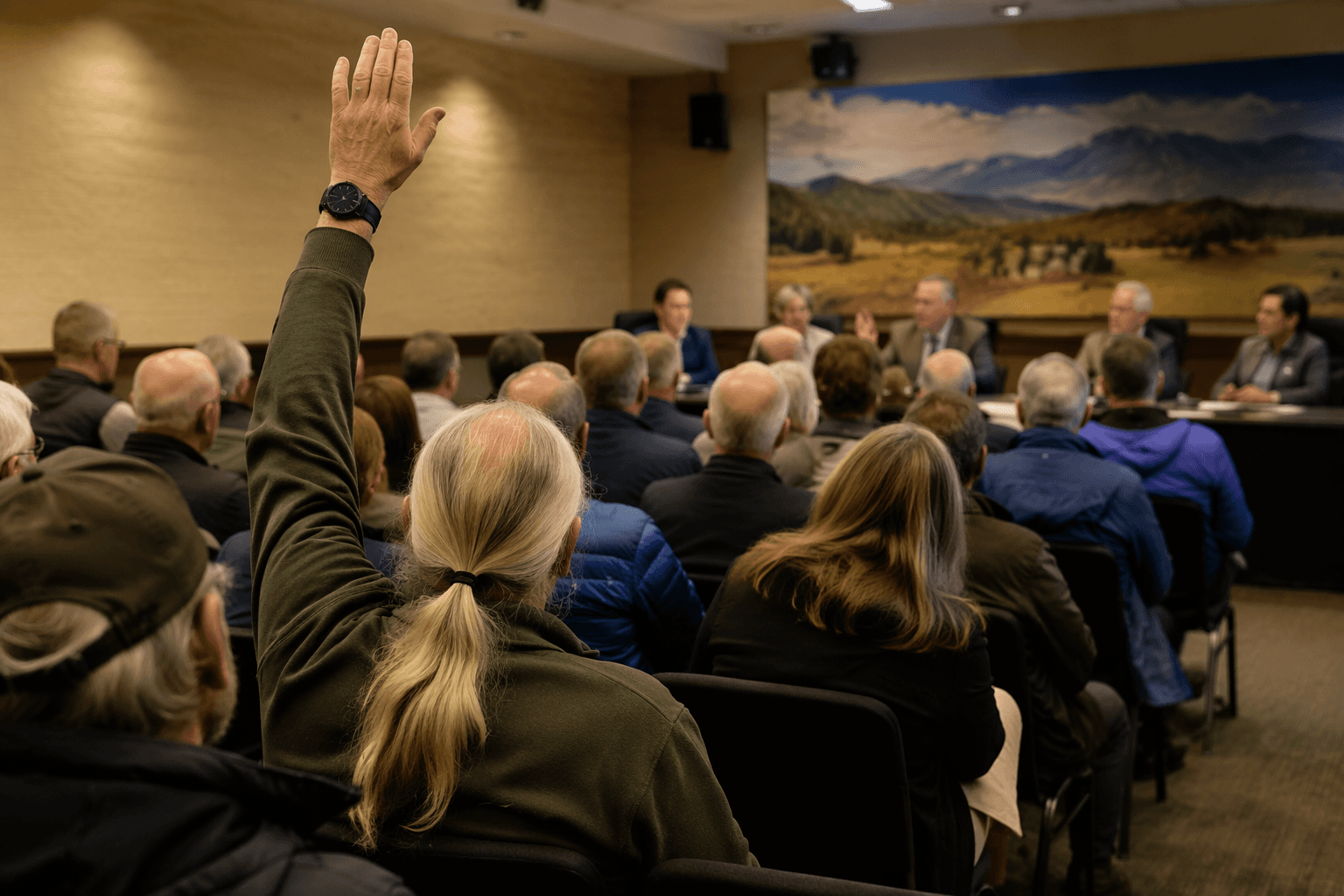
The county’s notice also underscores the practical stakes for residents now. The plume remains active enough to merit a formal public presentation, rather than being handled behind the scenes. That alone signals that the issue is still moving through the regulatory process and still carries potential implications for future monitoring, remediation and utility costs tied to protecting local water resources.
Residents who want answers will need to press for specifics at the meeting: where the plume is now, whether it poses any threat to water supplies, what progress has been made since the contamination was first linked to LANL operations, and what additional work state officials think is still required. The June 3 briefing is one of the clearest chances this week to put those questions directly to the agencies responsible for oversight.
This article was produced by Prism’s automated news system from verified source data, official records, and press releases, then run through automated quality and moderation checks before publishing. The system is built and supervised by the people who set the standards it runs under. Read our full AI policy.
Know something we missed? Have a correction or additional information?
Submit a Tip

