Fire Ecologist Thomas Swetnam to Speak on Jemez Forest Future
Tree-ring scientist Thomas Swetnam, who lives in Jemez Springs and has testified before Congress on wildfire, gives a free public talk at the Nature Center planetarium April 22.
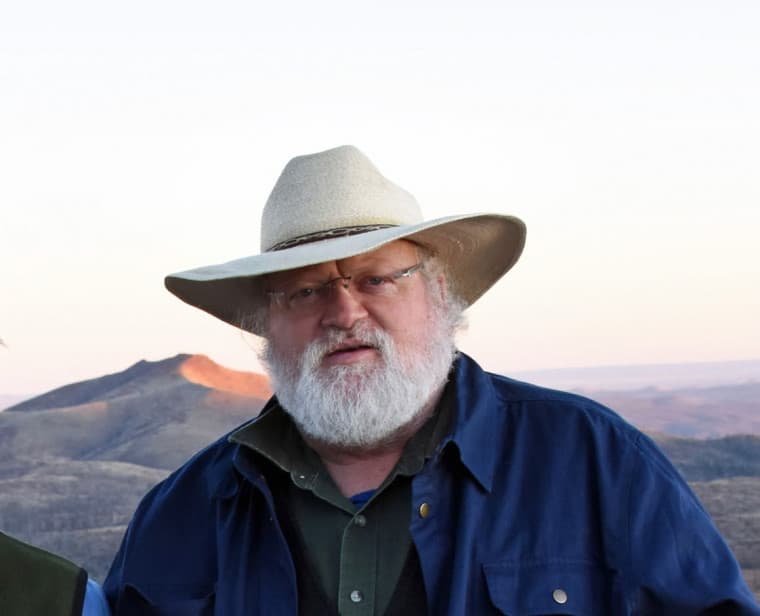
Thomas W. Swetnam has spent decades pulling fire history out of trees, and some of those trees ring the western edge of Los Alamos. The University of Arizona's Regents' Professor Emeritus of Dendrochronology, whose research has been cited more than 33,000 times in the scientific literature, will bring that record home on April 22 when he speaks at the Los Alamos Nature Center Planetarium in a free public program titled "Fire, Forests, and the Future of the Jemez."
The event runs from 7 to 8:15 p.m. and is co-presented by the Pajarito Environmental Education Center, the Los Alamos History Museum, and the J. Robert Oppenheimer Memorial Committee. A Q&A will follow the presentation, and organizers may offer streaming or recorded access; check PEEC and the Nature Center for details.
Swetnam is not a distant expert parachuting in for the evening. He lives in Jemez Springs, where he and his wife Suzanne have been dating the fire scars in historic buildings and archaeological timbers. His 2025 book, "The Jemez Mountains: A Cultural and Natural History," published by the University of New Mexico Press, anchors that work in the landscape his audience drives through, drinks water from, and has, in some cases, evacuated across.
His credentials run from the laboratory to Capitol Hill. Swetnam has testified before Congress multiple times on fire and forest management, served on advisory boards appointed by the Governor of Arizona, and was selected by a U.S. president to sit on the inaugural Board of Trustees of the Valles Caldera National Preserve. The American Association for the Advancement of Science has elected him a Fellow; the Tree-Ring Society and the Association for Fire Ecology have each given him a Lifetime Achievement Award.
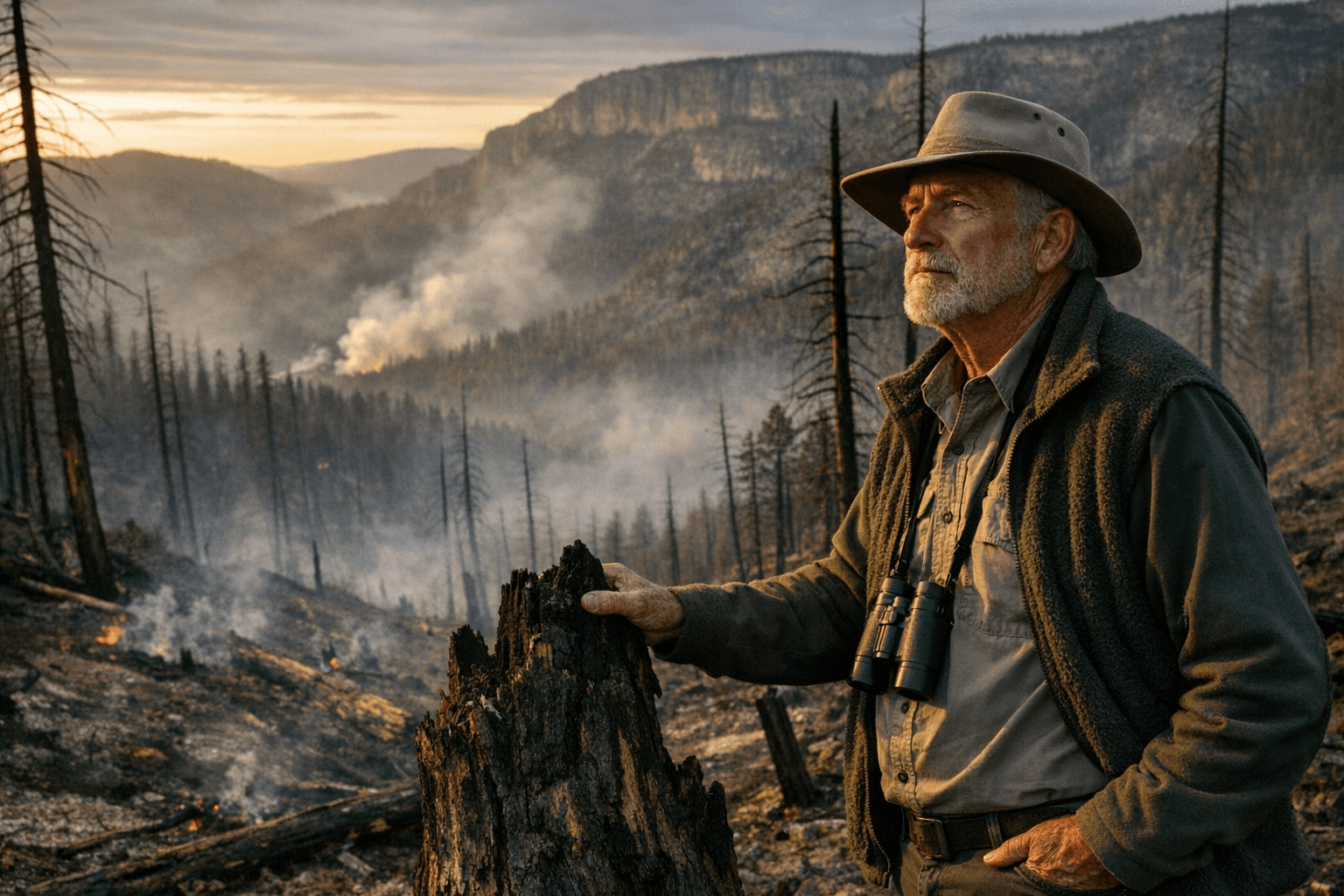
The practical stakes of the April 22 talk are high for a county that sits squarely in the wildland-urban interface. Swetnam's published research on the Jemez has identified a pattern that residents should keep in mind every spring: the most destructive historical fires in ponderosa pine forests followed a specific sequence, with wet conditions that built dense, continuous fuel loads and then abrupt drought that dried and lit them. A generous snowpack this winter, in other words, is not a guarantee of a quiet fire season; it may be the setup for one. Swetnam's tree-ring work has also documented how a century of fire suppression transformed the Pajarito Plateau's forests from a landscape of frequent, low-intensity surface fires into one primed for the kind of high-severity burns that close trails, foul watersheds, and generate months of smoke.
His research links those conditions directly to what land managers do next. The presentation is expected to address the tradeoffs between mechanical thinning, prescribed burning, and community defensible-space programs, the three tools most relevant to homeowners and county planners along the Pajarito Plateau. For residents whose properties border forest, the timing of this talk, weeks before peak fire season, is the relevant forecast.
Swetnam's interdisciplinary framing, weaving tree-ring science together with Pueblo history, grazing records, and 20th-century land management decisions, is why the History Museum and JROMC joined PEEC in co-sponsoring the event. Admission is free.
This article was produced by Prism’s automated news system from verified source data, official records, and press releases, then run through automated quality and moderation checks before publishing. The system is built and supervised by the people who set the standards it runs under. Read our full AI policy.
Did this article answer your question?