LANL Curiosity findings point to ancient lake, life-friendly conditions on Mars
Los Alamos scientists found metal-rich ripples on Mars that strongly point to an ancient shallow lake at Mount Sharp. The evidence adds weight to a long-running question: could Gale Crater once support life?
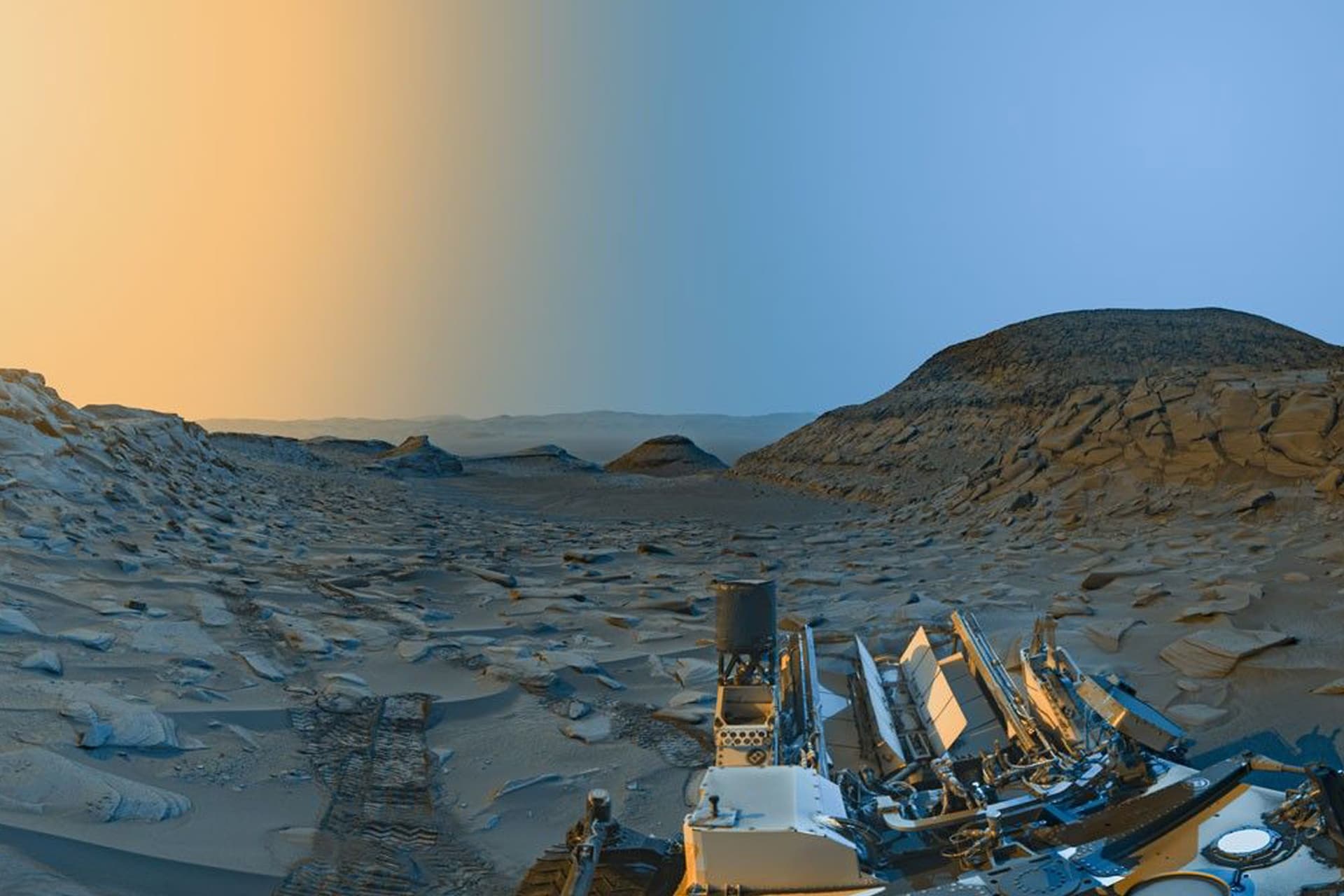
A Los Alamos National Laboratory team has sharpened the case that Mars once held an ancient lake, and the finding ties a hometown science effort to one of planetary exploration’s biggest questions. Using NASA’s Curiosity rover and the Lab’s ChemCam instrument, Patrick Gasda and colleagues found the highest amounts of iron, manganese and zinc ever seen together in Gale Crater, buried in remarkably preserved ripples at the Amapari Marker Band on Mount Sharp.
Those ripples matter because they look like lake deposits, not random rock. On Earth, metal-rich lake sediments often form through redox reactions and are frequently linked to microbial environments, which is why similar chemistry on Mars immediately draws attention from scientists studying habitability. The Los Alamos report, dated April 21, 2026, says the preserved-ripple deposits are the strongest evidence yet that a shallow lake once stood there.
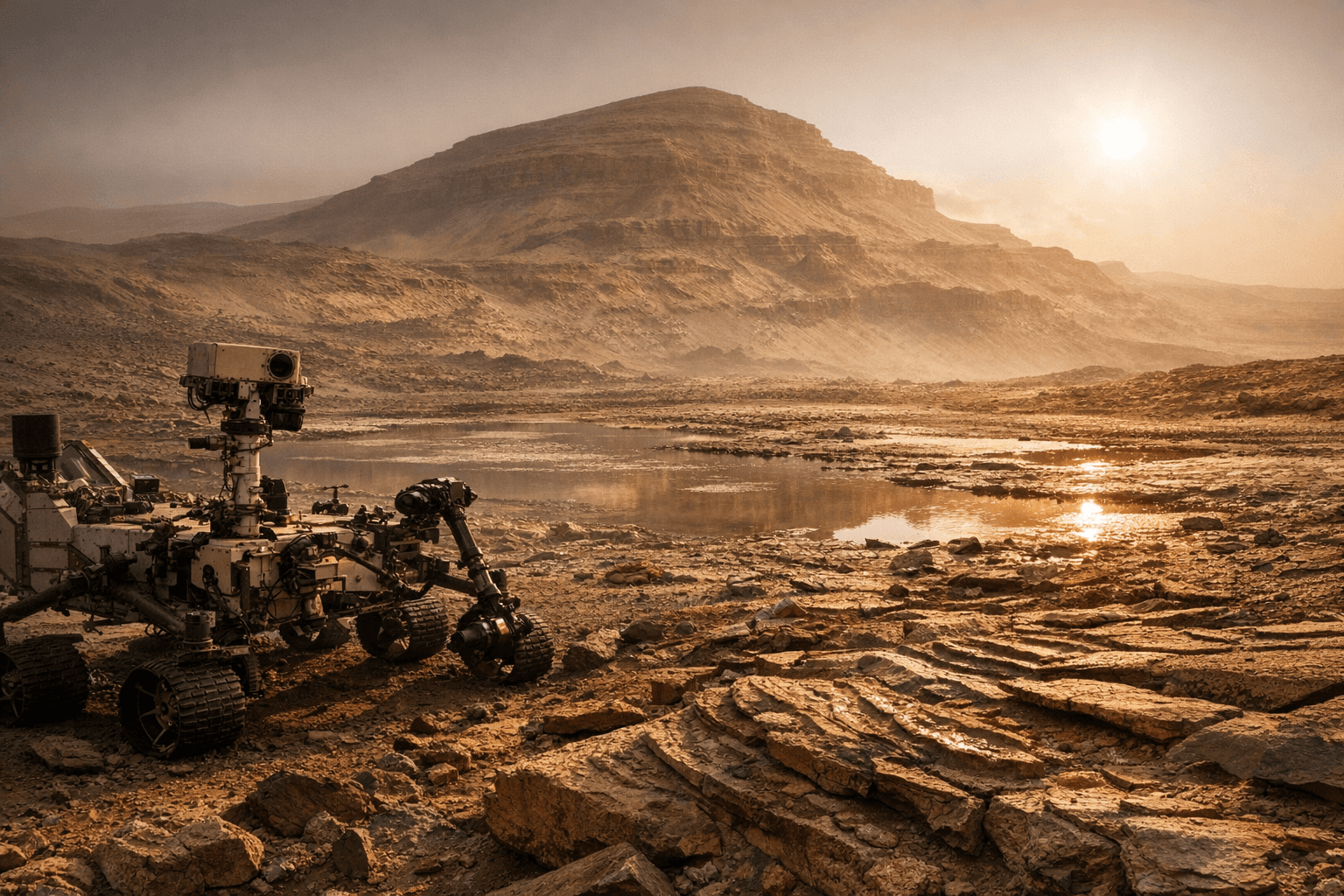
Gasda said the metals in the ripples are the clearest evidence yet that a lake was present in Gale Crater, and the result is especially striking because the lake sat high on Mount Sharp at a time when Mars was already drying out. That suggests the planet did not flip from wet to dry all at once. Instead, Mars may have moved through a long, uneven transition, with isolated pockets of water lingering as the planet cooled and lost moisture.
For Los Alamos, the discovery reinforces a role the Lab has played for years in space science and planetary exploration. ChemCam, built and operated through a partnership between Los Alamos and France’s Institut de Recherche en Astrophysique et Planétologie, with funding from the French space agency CNES, fires lasers at Martian rocks and reads the resulting plasma to identify their elements. Curiosity itself, built and operated by NASA’s Jet Propulsion Laboratory, landed in Gale Crater on Aug. 5, 2012, PDT, and Aug. 6, 2012, EDT. About the size of a MINI Cooper, it carries 17 cameras and a robotic arm with laboratory-like instruments.
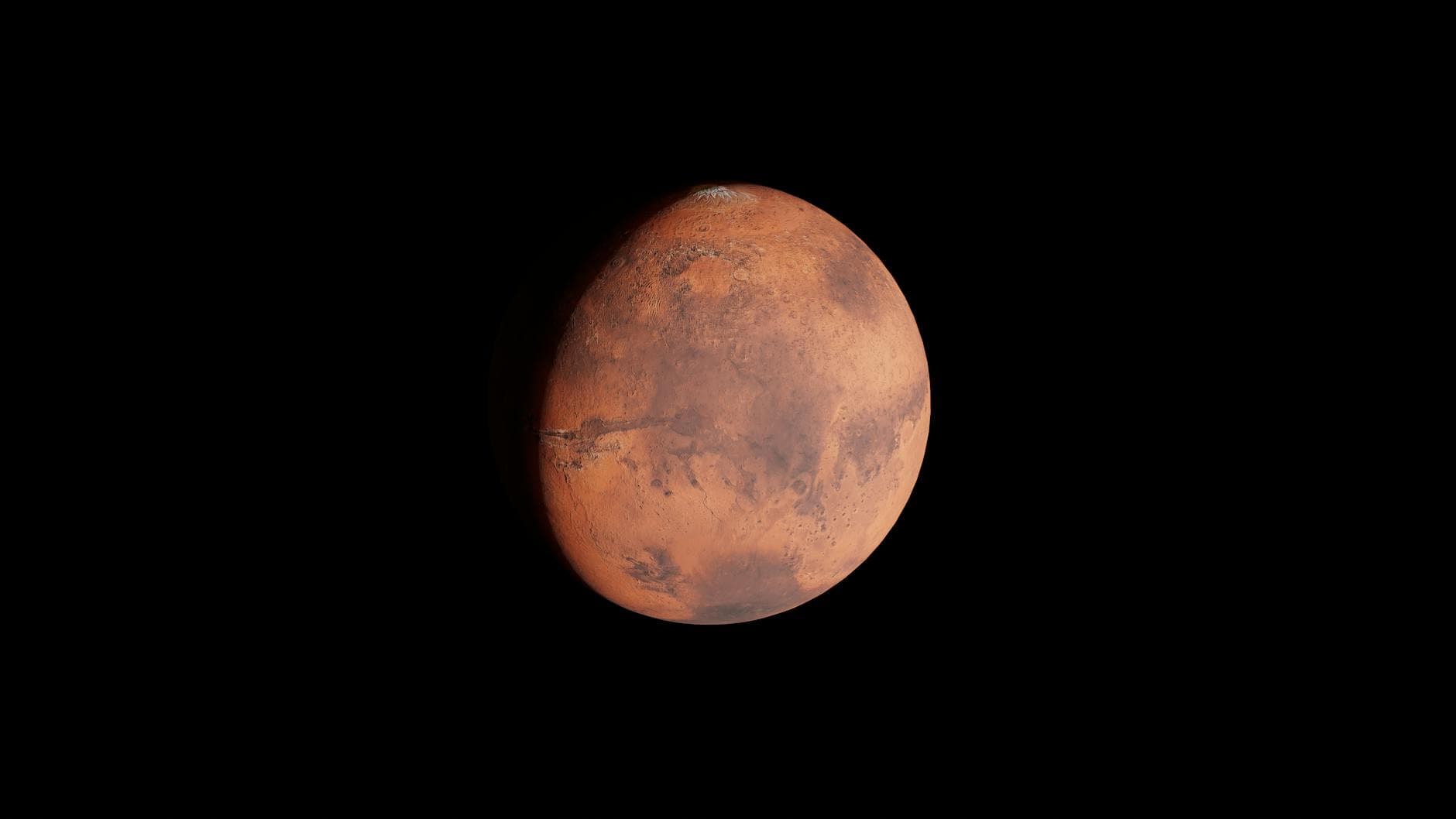
The new result also fits with a broader wave of Curiosity science. NASA says more than 1,000 vertical feet of rock on Mount Sharp formed as mud at the bottoms of shallow lakes, and that rivers and lakes in Gale Crater may have persisted for perhaps a million years or longer. On the same day as the Los Alamos announcement, JPL said Curiosity’s Mary Anning sample revealed the greatest diversity of organic molecules ever found on Mars, including 21 carbon-containing molecules and seven identified for the first time on the planet. Together, the findings make Gale Crater one of the best places to study how Mars went from wetter and more complex to the cold, dry world seen today.
This article was produced by Prism’s automated news system from verified source data, official records, and press releases, then run through automated quality and moderation checks before publishing. The system is built and supervised by the people who set the standards it runs under. Read our full AI policy.
Did this article answer your question?