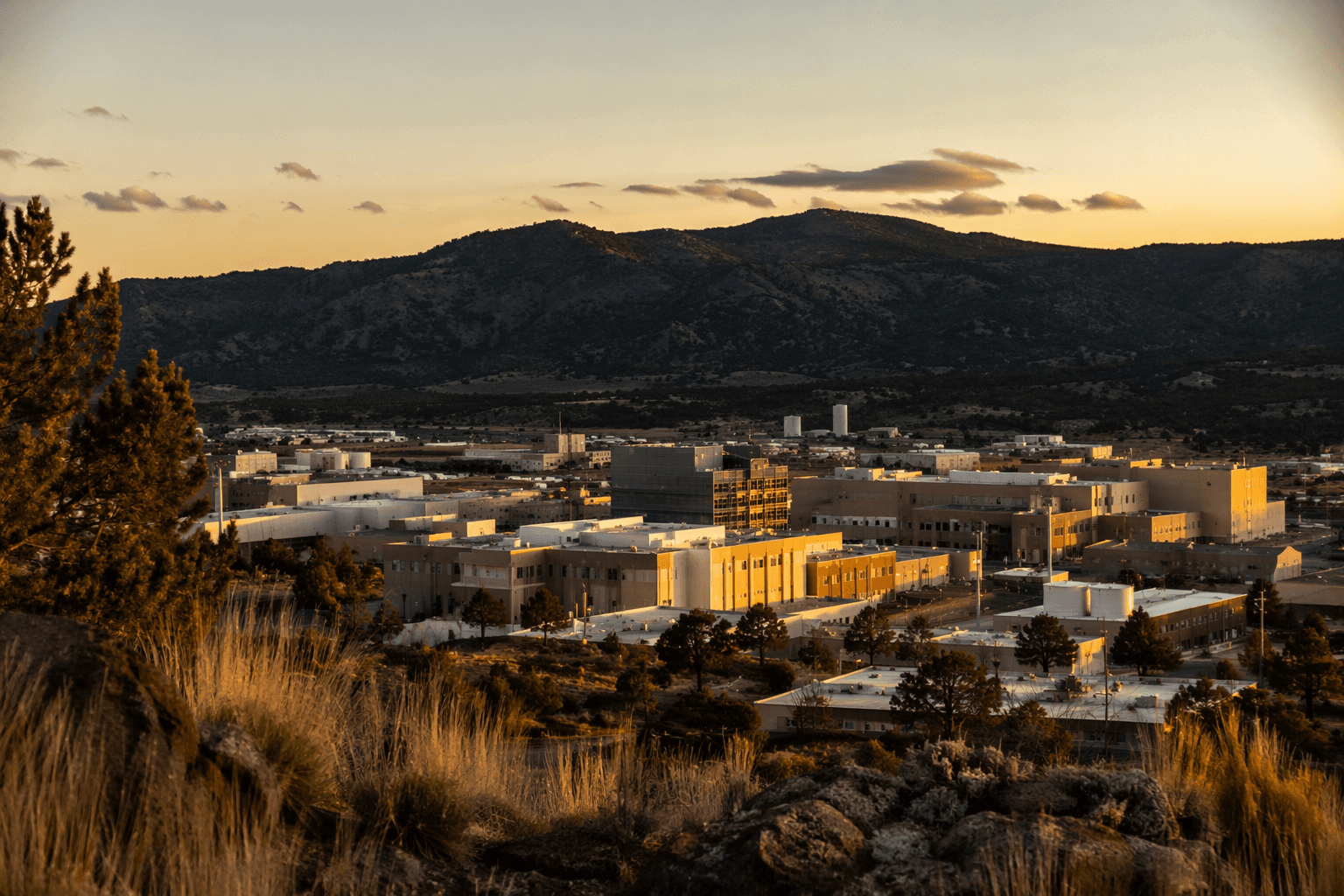
Los Alamos Lab proves real-time command link for space station sensor
A Los Alamos sensor has already been commanded in real time for the ISS, showing LANL can move flight hardware from lab work to operational space use.
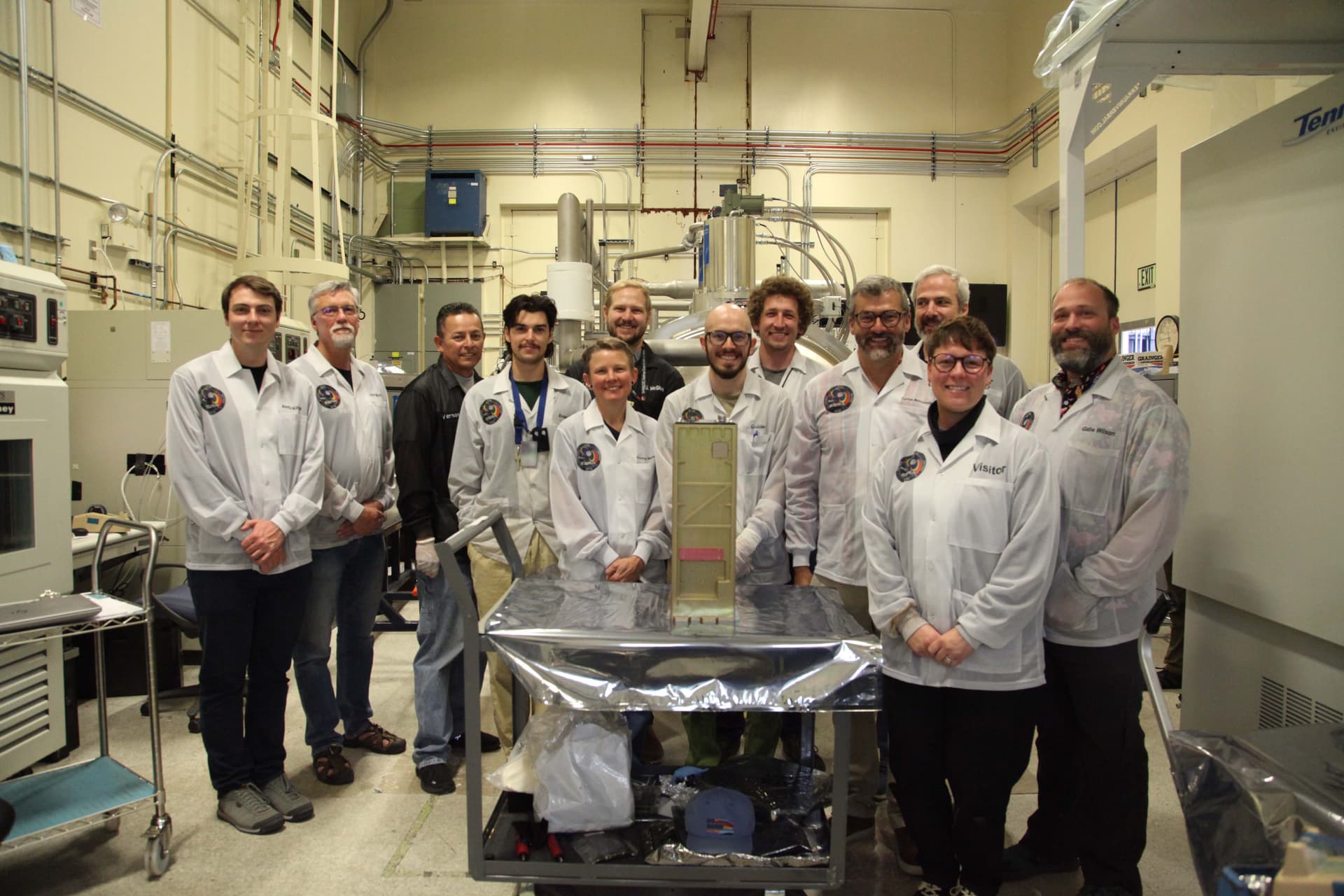
A Los Alamos National Laboratory space sensor has already been commanded in real time through NASA’s flight-operations pipeline, a key proof that the Autonomous Ion Mass Spectrometer Sentry, or AIMSS, is ready for work on the International Space Station. The April 22 test sent simulated operational commands through the Lab’s Payload Operations Control Center ground station and NASA’s Telescience Resource Kit link, the same path that will be used when AIMSS reaches the station in June.
That matters because AIMSS is not a passive experiment. Once aboard the station, it is designed to measure ionospheric plasma and the effects of human-made contamination such as thruster plumes around the ISS, where astronauts conduct experiments and visiting spacecraft dock and maneuver. NASA says the instrument will also help improve space-weather prediction for other spacecraft and assets by tracking conditions that can disrupt satellite electronics. LANL has said AIMSS may be the first mass spectrometer able to observe the similar-mass ions N+ and O+ individually, giving scientists a sharper read on a part of the near-Earth environment that is hard to separate.
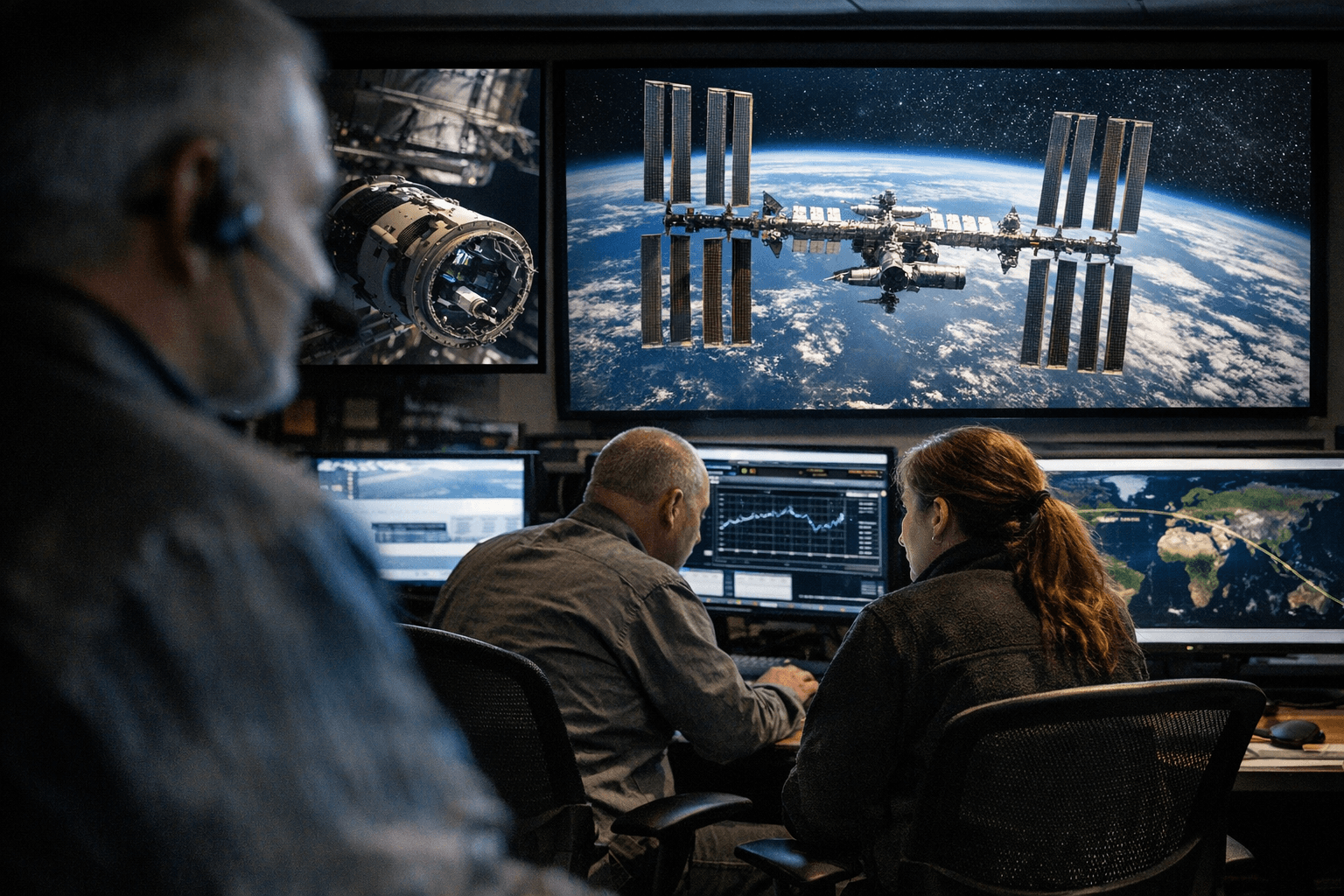
The command test itself was a systems milestone, not a ceremonial check. LANL said staff worked with NASA and laboratory network-security teams, verified voiceover software and communications procedures, and used predetermined protocols to secure approval for the command window. The test confirmed that commands could be sent and received in both directions through the TreK software link. Tracy Gambill and Sam Larsen led the effort, with support from Steve Buck, Landon Colston, Anatoliy Frishberg, Amy Herrera, Mark Lorenc, Thomas Ludwig, Matt Mahoney, John Michel, Aaron Morrison and Erin Powers.
The pace of the project adds to its significance. LANL said AIMSS was delivered in 22 months, which the Lab described as perhaps its fastest payload development effort since the Vela satellite instruments of the early 1960s. That is far quicker than the five to seven years a typical NASA payload can take. The work is funded by the U.S. Department of Defense Space Test Program, NASA and the Laboratory Directed Research and Development program, tying local engineering directly to national space priorities and taxpayer-backed mission support.
The broader launch path also gives AIMSS unusual weight. The Space Test Program was established in 1965, flew its first mission in 1967 and has since supported 311 missions and 665 experiments. AIMSS is moving through that long-running government pipeline toward the ISS, where it will provide on-orbit data to validate the instrument and guide future design improvements. For Los Alamos, the test shows the Lab is not just developing concepts on paper; it is delivering flight-ready space hardware that can shape future contracts, strengthen the Lab’s scientific standing and extend its influence well beyond New Mexico.
This article was produced by Prism’s automated news system from verified source data, official records, and press releases, then run through automated quality and moderation checks before publishing. The system is built and supervised by the people who set the standards it runs under. Read our full AI policy.
Did this article answer your question?