Oklo, NVIDIA and LANL team up to turn plutonium into reactor fuel
A Los Alamos partnership could turn plutonium-bearing fuel into power for AI data centers, tying LANL to a high-stakes supply chain for the Genesis Mission.
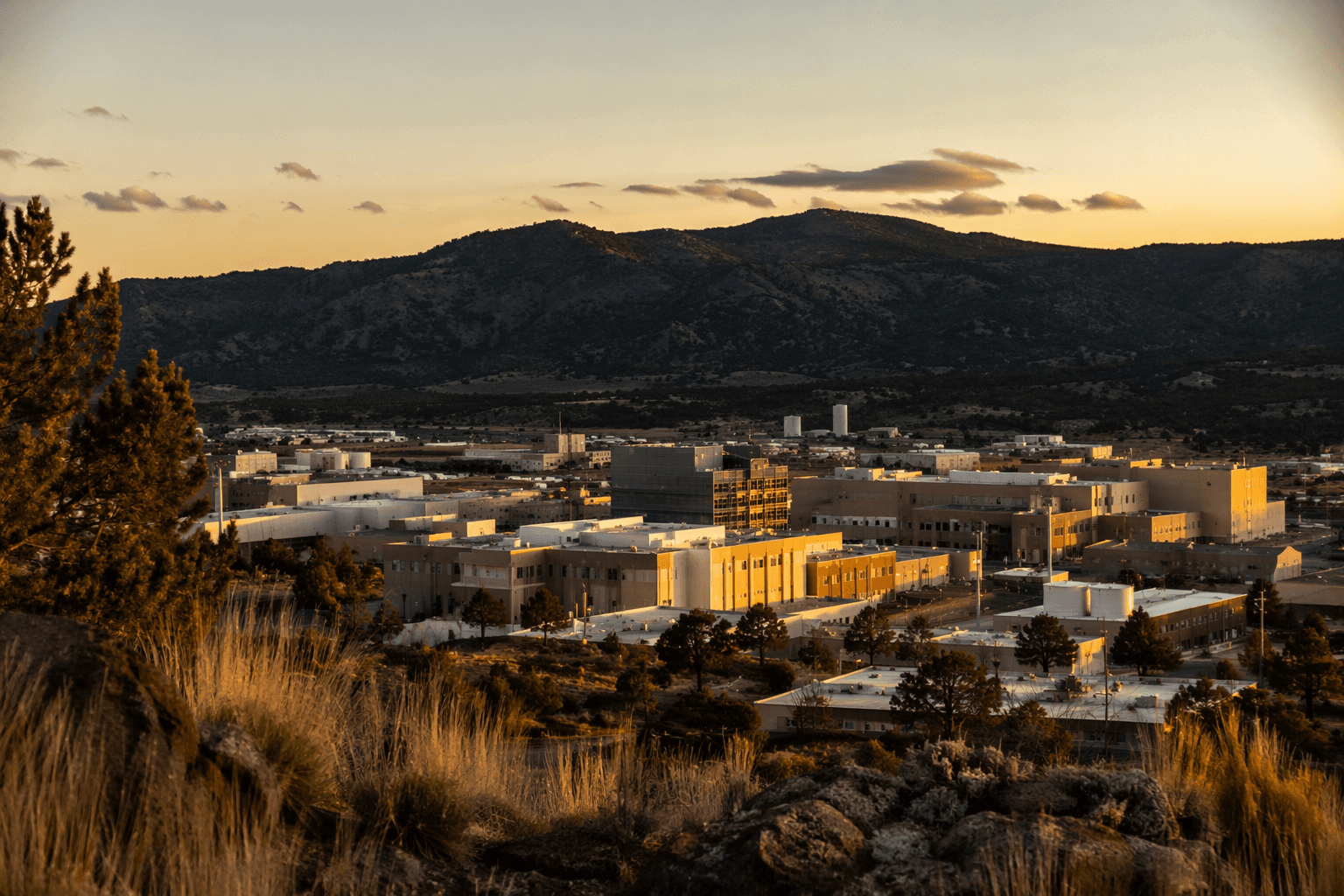
Los Alamos is now at the center of a rare convergence: Cold War-era plutonium, advanced reactors and the exploding electricity demand of AI data centers. Oklo, NVIDIA and Los Alamos National Laboratory announced a collaboration on April 23, 2026 that is designed to support nuclear infrastructure for the federal government’s Genesis Mission and push plutonium-bearing fuel closer to commercial use.
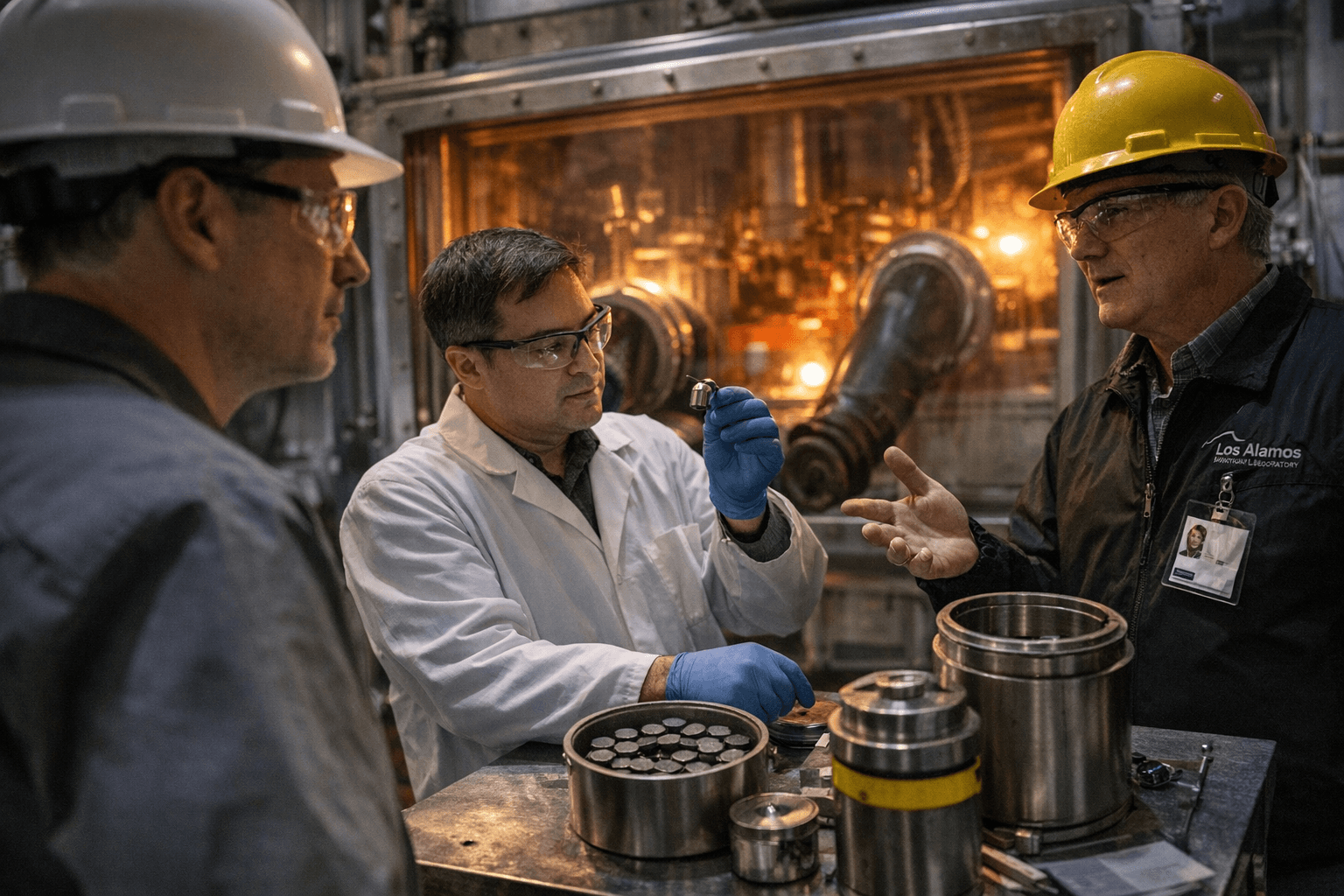
The agreement links Oklo’s reactor development work with NVIDIA’s AI capabilities and LANL’s nuclear science expertise. Oklo said the initial focus includes physics- and chemistry-based AI models for fuel validation and research on plutonium-bearing fuels, materials science and fabrication work for those fuels, and studies of grid reliability, redundancy and stabilization for nuclear-powered AI factories at Los Alamos National Laboratory. The companies also said they will explore proof-of-concept work for a nuclear-powered AI factory, a signal that the power needs of large-scale computing are becoming part of the reactor development conversation.
For Los Alamos County, the significance goes well beyond a corporate partnership. LANL said it supports the Genesis Mission with its high-performance computing, modeling and simulation, quantum science and ties to AI innovators. Laboratory Director Thom Mason said the lab has the workforce, computing capabilities and unique data needed to support the mission. That matters because the Genesis Mission is not a narrow energy project. The Department of Energy launched it by executive order on Nov. 24, 2025, and later announced collaboration agreements with 24 organizations on Dec. 18, 2025 to advance a national platform meant to connect supercomputers, AI systems, experimental facilities and datasets.
The department says the mission is intended to double the productivity and impact of American science and engineering within a decade and mobilize the Energy Department’s 17 national laboratories, industry and academia. Energy Secretary Chris Wright assigned Under Secretary for Science Darío Gil to lead it. In that context, Los Alamos becomes more than a research campus in northern New Mexico. It is a node in a federal strategy that treats computing power and energy supply as parts of the same national-security equation.
Oklo, based in Santa Clara, Calif., said the collaboration will advance its plutonium-bearing fuel work for the Pluto reactor, which it says was selected under the DOE’s Reactor Pilot Program. The company says it is developing fast fission power plants, building a domestic supply chain for critical isotopes and advancing nuclear fuel recycling to convert used nuclear fuel into clean energy. Oklo also says it was the first to receive a site use permit from the Energy Department for a commercial advanced fission plant and submitted the first custom combined license application for an advanced reactor to the U.S. Nuclear Regulatory Commission.
The new partnership puts Los Alamos at the crossroads of a high-value supply chain that stretches from legacy nuclear material to reactor fuel to the power-hungry infrastructure behind AI. It also raises the questions that will shape the next phase of the project: how plutonium-bearing fuels are handled, how the work is secured and how regulators keep pace as nuclear power is folded into the race to build AI systems.
This article was produced by Prism’s automated news system from verified source data, official records, and press releases, then run through automated quality and moderation checks before publishing. The system is built and supervised by the people who set the standards it runs under. Read our full AI policy.
Did this article answer your question?