Los Alamos Nature Club unveils AI wildlife project PumaGuard
A student-built AI system is targeting Los Alamos County’s mountain lion conflict, with North Mesa stables and livestock losses at the center of the test.

A student-built AI system designed to detect mountain lions in real time is taking aim at one of Los Alamos County’s most persistent wildlife conflicts: keeping livestock safe at North Mesa stables without worsening pressure on pumas in the Pajarito Plateau ecosystem.
PumaGuard, developed over three years by the PEEC Nature Youth Group, combines motion-sensitive cameras, machine learning and automated deterrents to identify a lion and respond immediately with light or sound. The system was prototyped locally and field-tested with researchers at the University of California, Davis, with additional input from the Mountain Lion Foundation and Los Alamos National Laboratory. The team says the project has drawn interest internationally and from New Mexico cattle ranchers looking for a way to reduce livestock losses.
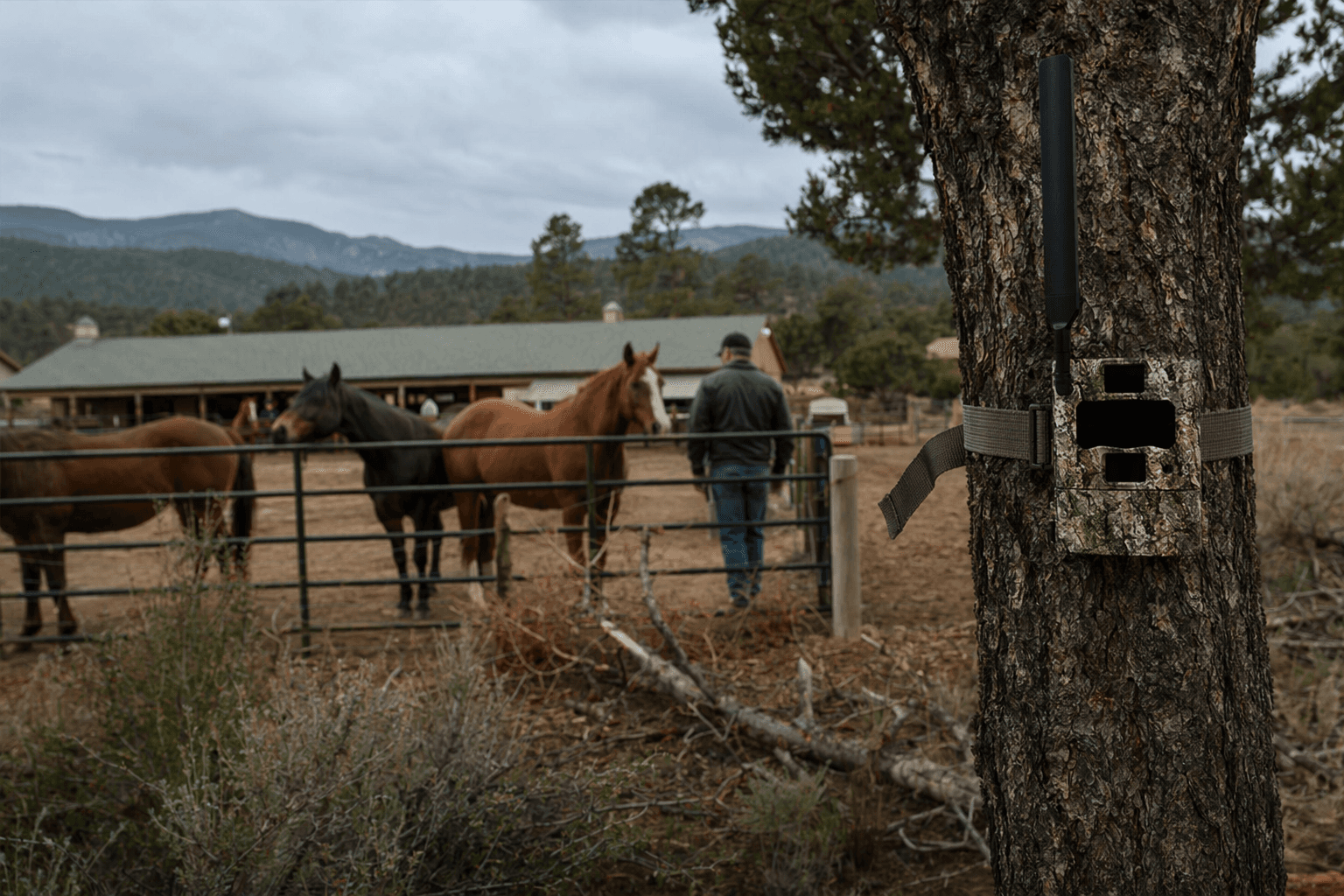
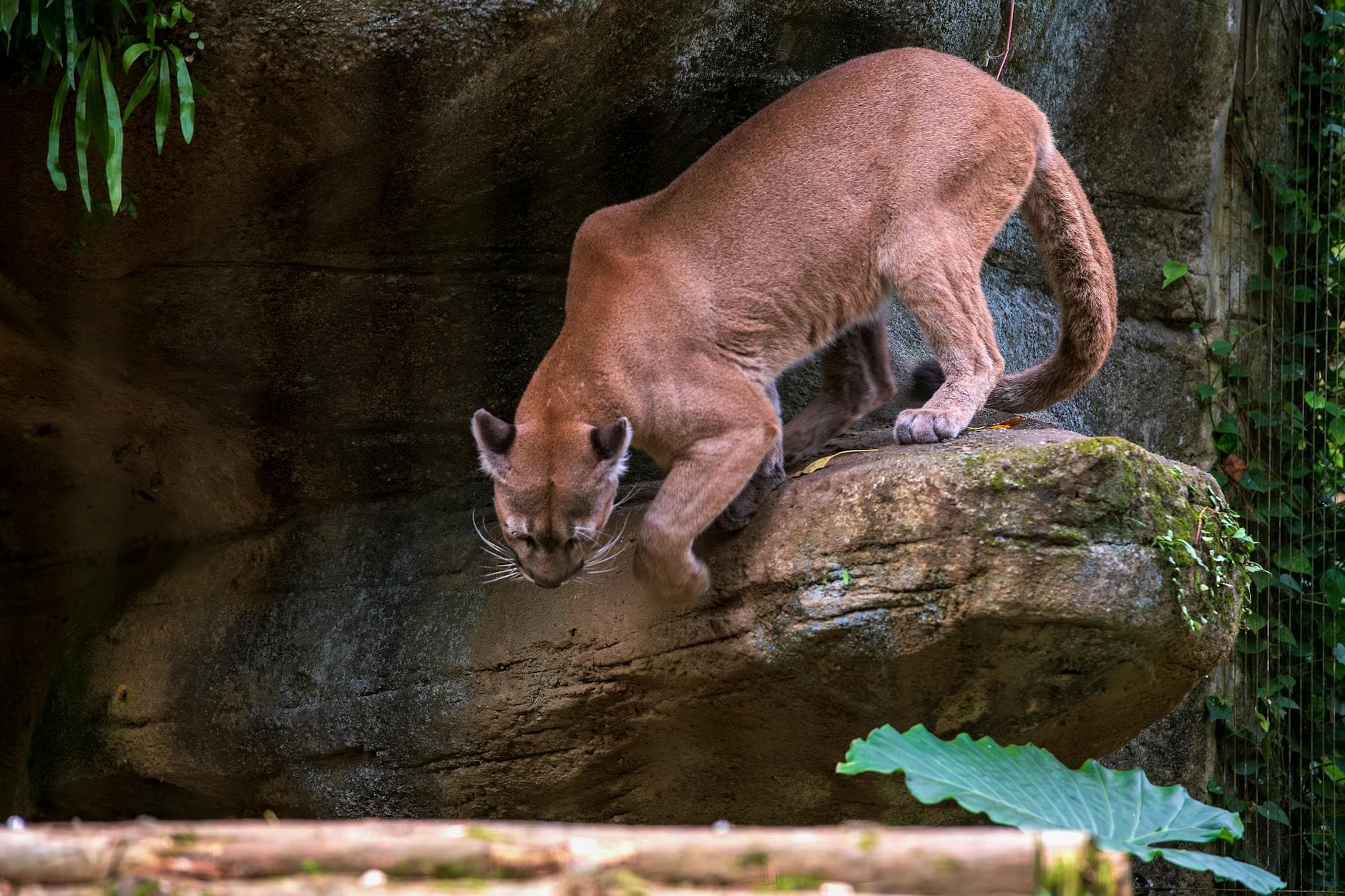
The project is built around a sharp local tension. The students describe mountain lions as a keystone species that helps regulate deer, support biodiversity and influence soil health, yet they also point to climate change, shifting habitat and wildfire-driven changes that are pushing pumas closer to homes and livestock in Northern New Mexico. Their spring 2026 Nature Notes article says livestock losses, especially goats at the North Mesa stables, have become a recurring concern, and that one or two pumas a year have recently been killed after livestock attacks in the Los Alamos area.
That makes PumaGuard more than a classroom demo. The PEEC Nature Youth Group was founded just a year before it earned recognition at the 2024 NeurIPS international AI competition, where it won one of four prizes in the high school track from 335 global entries. The award put the team in the top 1 percent of submissions, brought a $1,500 prize and sent Aditya Viswanathan to present in Vancouver, Canada, on Dec. 10, 2024.

The group’s members include Gavin Bent, Seb Koglin, Phoebe Reid, Celia Pesiri, Adis Bock, Aditya Viswanathan, Suchi Jha and Tate Plohr. Zoe Bent, who graduated in 2025, was not pictured. Their work sits inside PEEC’s broader mission on wildfire prevention, water quality testing, wildlife protection and community education, an agenda that now extends from the Los Alamos Nature Center to the field.
PEEC said its April 29, 2026 presentation on the project was free, open in person and live-streamed from the Los Alamos Nature Center planetarium from 7 to 8 p.m. MT. The nature center opened on Earth Day 2015 after Los Alamos County awarded PEEC the operating contract, and it now serves about 40,000 adults and children a year. The remaining question is whether a student prototype that already has the attention of ranchers and wildlife experts can move into a deployable tool for the county’s trails, stables and open space edges.
This article was produced by Prism’s automated news system from verified source data, official records, and press releases, then run through automated quality and moderation checks before publishing. The system is built and supervised by the people who set the standards it runs under. Read our full AI policy.
Did this article answer your question?