Los Alamos sheriff race raises questions about office’s future
Los Alamos voters are weighing a sheriff’s office budgeted at $18,671 and a race that could decide whether the post survives at all.
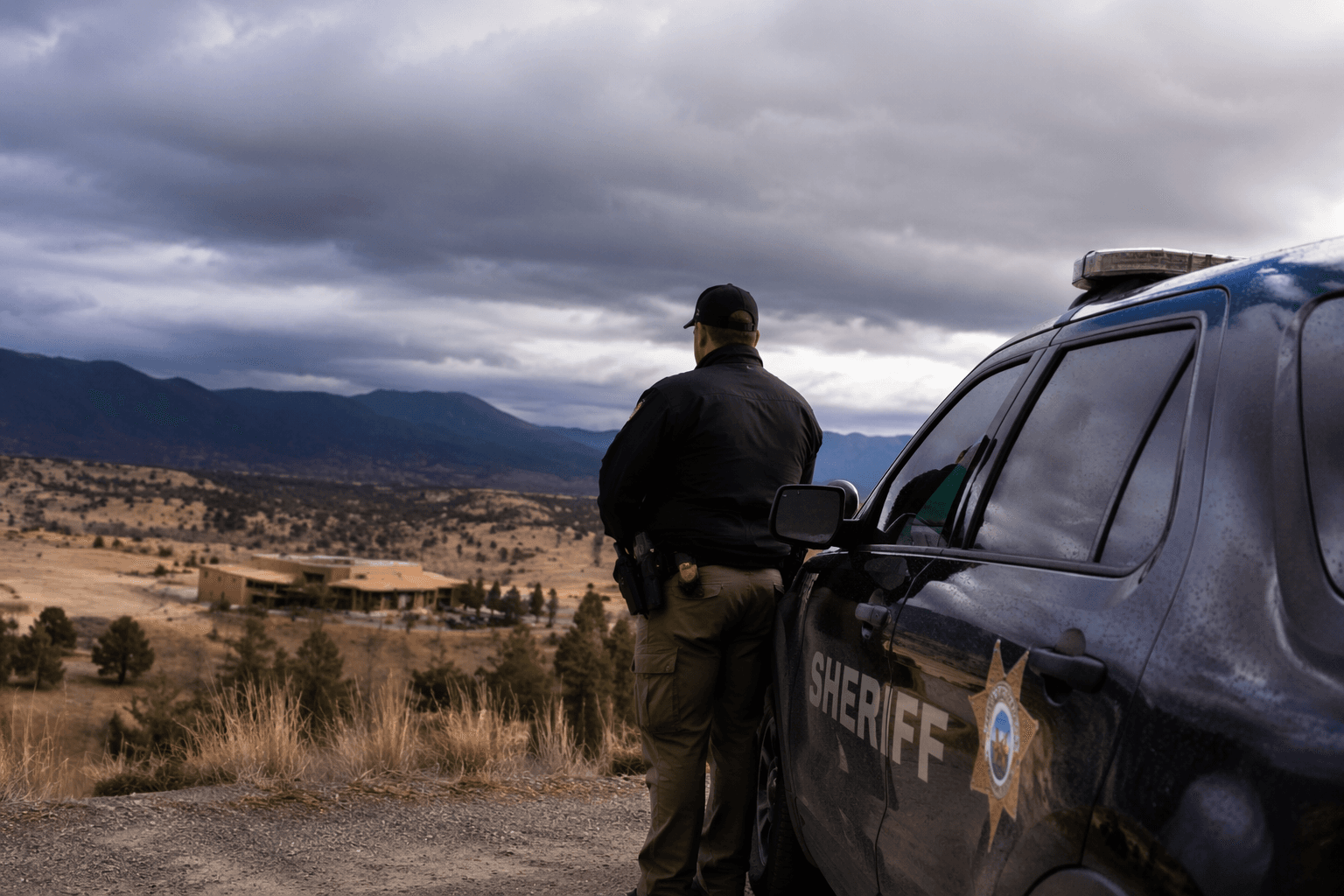
Los Alamos voters are choosing between Antonio L. Maggiore and David Izraelevitz in a Democratic primary that could decide more than who wears the sheriff’s badge. The race has turned into a referendum on whether Los Alamos County wants to keep an elected sheriff at all, or continue treating the office as a narrow administrative post with little resemblance to a conventional county law-enforcement agency.
The Democratic primary is June 2, and county election materials list Maggiore and Izraelevitz as the candidates. County code says the sheriff has the powers and duties assigned by state statute, including peace officer powers, but it also says the sheriff shall not duplicate or perform duties assigned to the Los Alamos County Police Department. In practice, that has helped make the office one of the county’s most misunderstood posts. Public forum coverage said the sheriff’s office does not handle ordinary law enforcement, manage jails, or serve summons or eviction notices because the county and municipality are the same entity.
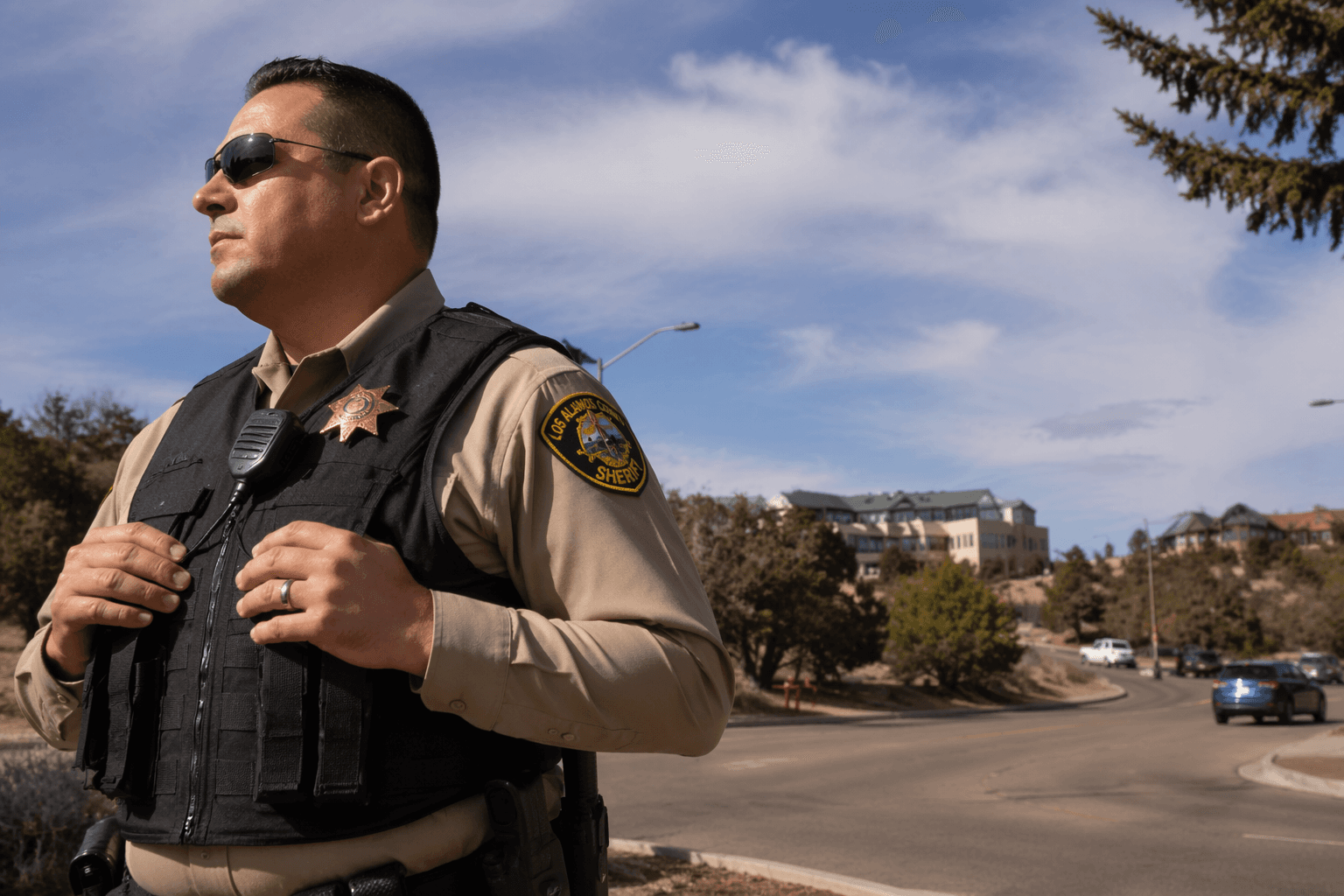
The money involved is tiny by county standards. Los Alamos County published a proposed FY2027 budget of $349.3 million on March 31, and the Sheriff’s Office was tentatively approved for $18,671 during April budget hearings. That is about 0.02 percent of the county budget, while the office’s annual salary has been described as about $8,000. A 2015 report put then-sheriff Marco Lucero’s salary at $6,000 a year and described Los Alamos as having an unusual charter-based sheriff arrangement, showing the debate over the office’s size and purpose is not new.
What is new is the sharp split in the race itself. Izraelevitz has said he wants to be sheriff in order to eliminate the sheriff position, putting the office’s future directly on the ballot. That has sharpened the contrast between a campaign about preserving an elected institution and one about ending it or redefining it.
For voters, the practical stakes are not a countywide patrol force or a jail operation. The choice is whether Los Alamos County keeps an office defined by county code and state statute, or uses the election to move away from a charter-era arrangement that still carries symbolic weight. In a county where institutional design often matters as much as personalities, the sheriff race is really a vote on what the office should be.
This article was produced by Prism’s automated news system from verified source data, official records, and press releases, then run through automated quality and moderation checks before publishing. The system is built and supervised by the people who set the standards it runs under. Read our full AI policy.
Know something we missed? Have a correction or additional information?
Submit a Tip