Los Alamos sisters turn two goats and soap into a business
Julia Sanchez and Alex Booton turned two goats and two bars of soap into a Los Alamos market business, showing how a small side hustle can find real demand.
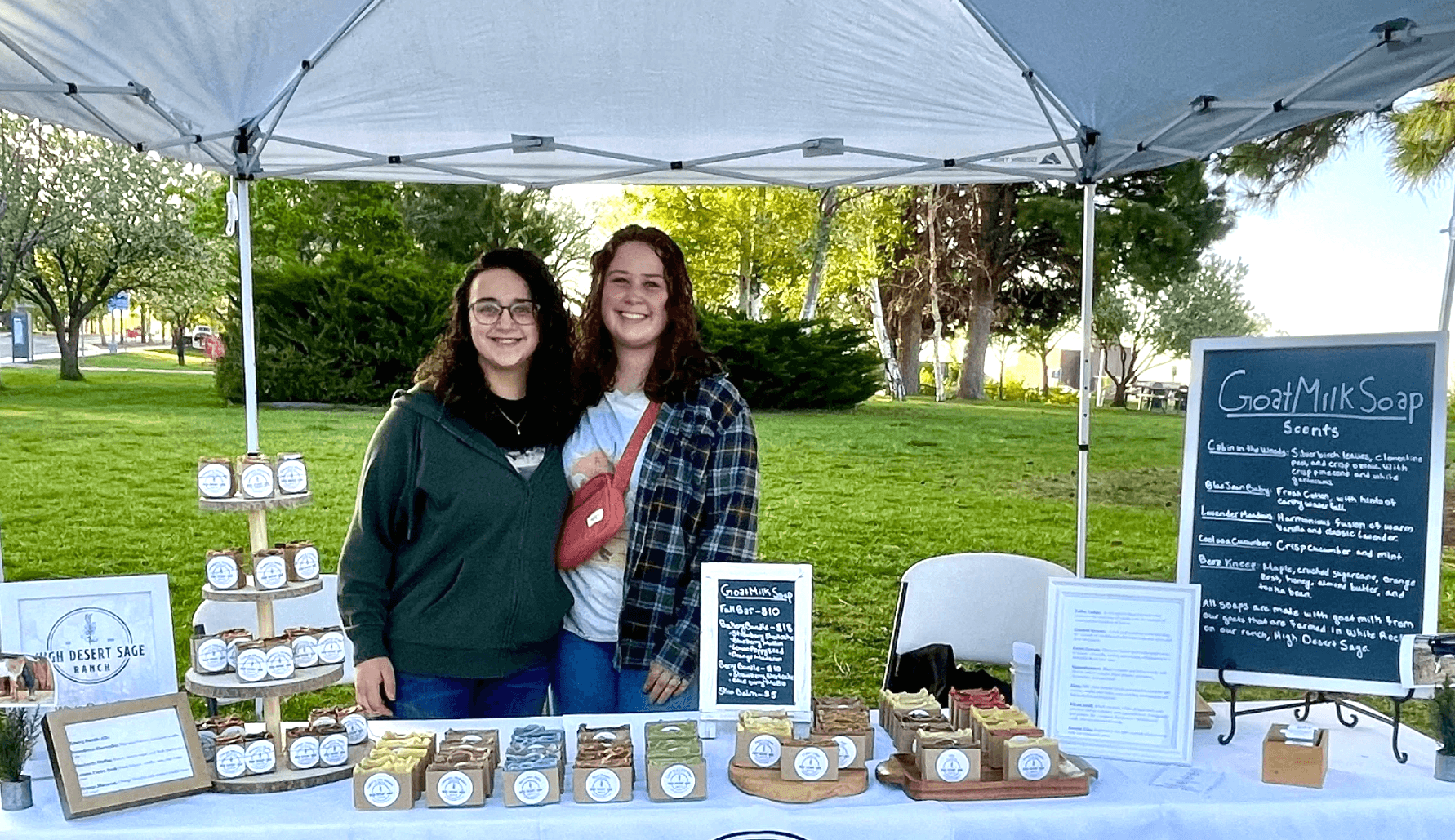
Two goats and two bars of soap is a tiny starting point, but it is also the kind of origin story that can take hold in Los Alamos. Julia Sanchez and Alex Booton are familiar faces at the Los Alamos Farmers Market, where direct sales and repeat customers can turn a homemade product into a real local business.
From two goats to a market fixture
The appeal of this story is in the scale of the beginning. A soap venture that starts with a couple of goats and only a few bars is not built for instant volume; it grows only if people keep coming back, asking questions, and buying again. That makes the sisters’ business a clear example of how a side hustle can move from experiment to something more durable when it meets the right audience.
Los Alamos has a strong appetite for that kind of story because the town knows its makers by name. At the farmers market, shoppers do not just grab a product and move on. They see the same faces, learn the backstory, and watch whether a small table display turns into a steady brand.
Why the farmers market matters
The Los Alamos Farmers Market gives businesses like this a public test kitchen. The market began in 1970, and by 2022 it was in its 52nd year, built around the idea of supporting local foods and buying directly from growers and producers. That long history matters because it gives small vendors a place to build trust before they try to expand.
The market also has a defined rhythm that makes it part of county life rather than a one-off event. A tourism listing places it at Ashley Pond Park on Thursdays from 7:00 a.m. to 12:30 p.m. from May through October, and a 2025 Los Alamos County flyer lists soaps among the accepted vendor categories. That means Sanchez and Booton’s product fits squarely inside an established local marketplace, not on the margins of it.
For readers who track where local businesses actually get traction, those details matter:
- Location: Ashley Pond Park
- Hours: Thursdays, 7:00 a.m. to 12:30 p.m.
- Season: May through October
- Vendor category: soaps, along with lotions, salves, oils, candles, jams, jellies, salsa, dips, and mixes
That mix of regular hours and product categories gives small producers a predictable place to meet customers. In a county where word-of-mouth still carries a lot of weight, that can be as important as any formal storefront.
The numbers behind goat-milk soap
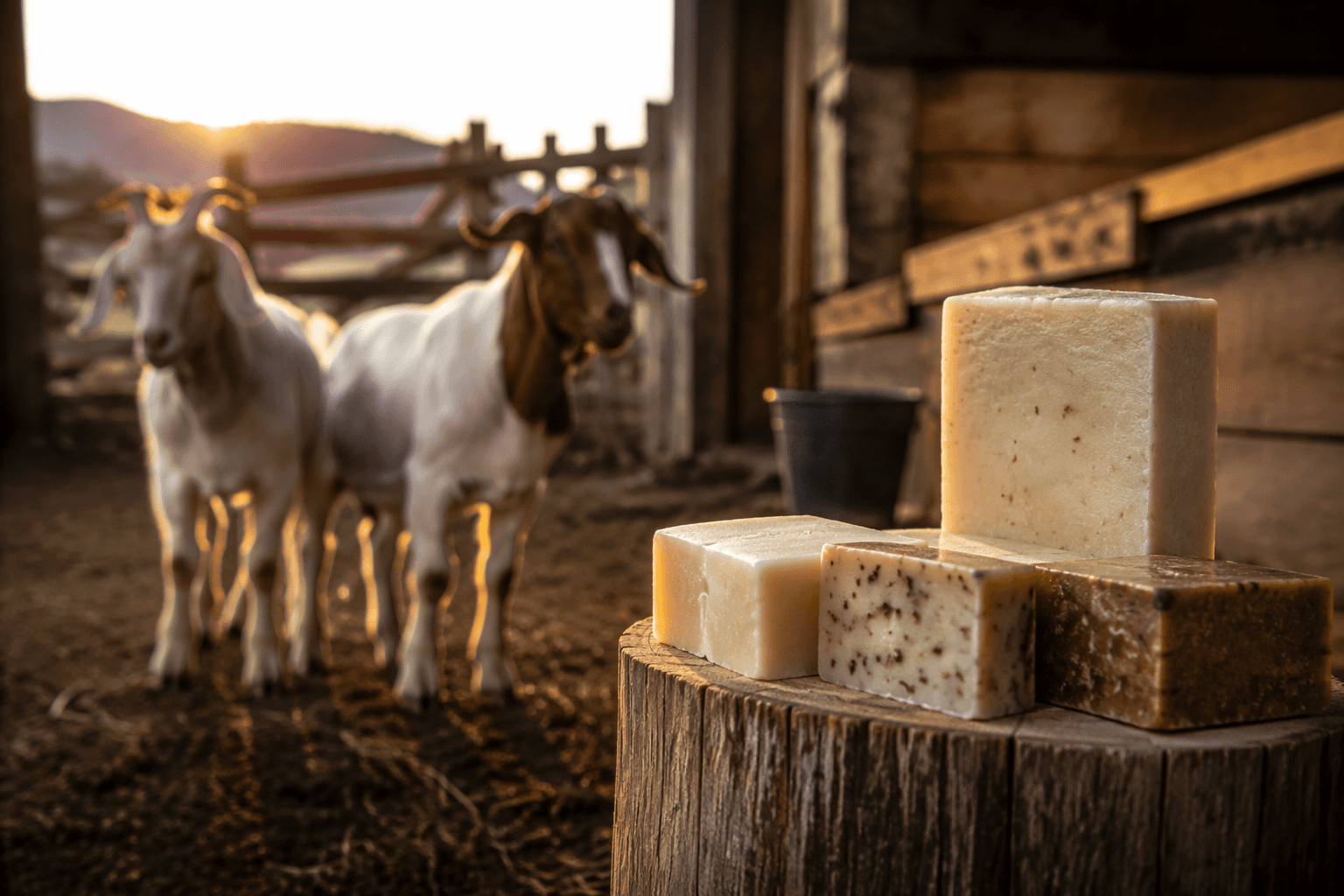
Goat-milk soap is not just a cute farm product. A USDA blog post from 2012 said one gallon of raw goat milk can produce 80 bars of goat milk soap that retail for $320, a simple illustration of why value-added products can make small-scale agriculture more profitable. The math shows why a modest amount of milk can become a product with meaningful retail value.
That kind of arithmetic helps explain why soap businesses often start small and still make sense. If the raw material comes from a small herd, the entrepreneur can test demand without needing a huge production line. The business lesson is straightforward: value-added goods can convert limited inputs into a product that customers will pay a premium for, especially when the story behind it is local and personal.
A regional model already exists
Los Alamos is not inventing this path from scratch. Second Bloom Farm’s Santa Fe Farmers’ Market profile says the family has been vending there since 1998, and that goat milk soap from Nigerian Dwarf dairy goats is a signature item. That is a long-running example of how a soap-making business built around small-scale dairy production can endure in New Mexico’s farmers market scene.
Love and Leche offers another nearby comparison. Its story says the business debuted at the Santa Fe Farmers Market selling handmade goat milk soaps and beeswax lotion bars, showing how a direct-to-consumer market can serve as the launchpad for a product line. Those examples matter because they place the sisters’ venture inside a proven regional pattern, where farmers markets act as incubators for specialty goods.
The broader market culture in the county is also expanding. A White Rock Evening Farmers Market pilot debuted with food vendors similar to those at the Thursday market, adding another place where local producers can test demand and meet buyers. Los Alamos MainStreet also describes itself as involved in downtown amenities and events including farmers markets, which ties the county’s small-business ecosystem to both retail activity and community gathering space.
Why the story resonates here
For Los Alamos, a soap business is not really about soap alone. It is about what happens when people with a small idea find a setting where neighbors are willing to try it, talk about it, and come back for more. The sisters’ story fits a local pattern that values maker culture, side hustles, and businesses that grow one customer at a time.
It also reflects a wider economic truth: small local ventures often need a market, not just a product. The Los Alamos Farmers Market, with its long history, regular hours at Ashley Pond Park, and clear space for soaps and related goods, gives that venture a place to become visible. In a county where residents like to know the people behind what they buy, two goats and two bars of soap can be the beginning of something that lasts.
This article was produced by Prism’s automated news system from verified source data, official records, and press releases, then run through automated quality and moderation checks before publishing. The system is built and supervised by the people who set the standards it runs under. Read our full AI policy.
Did this article answer your question?