Pajarito Mountain summer work keeps ski area ready for winter
Pajarito Mountain’s summer construction is shutting the bike park while funding snowmaking, lift, and fire-protection work that should strengthen winter reliability and local jobs.
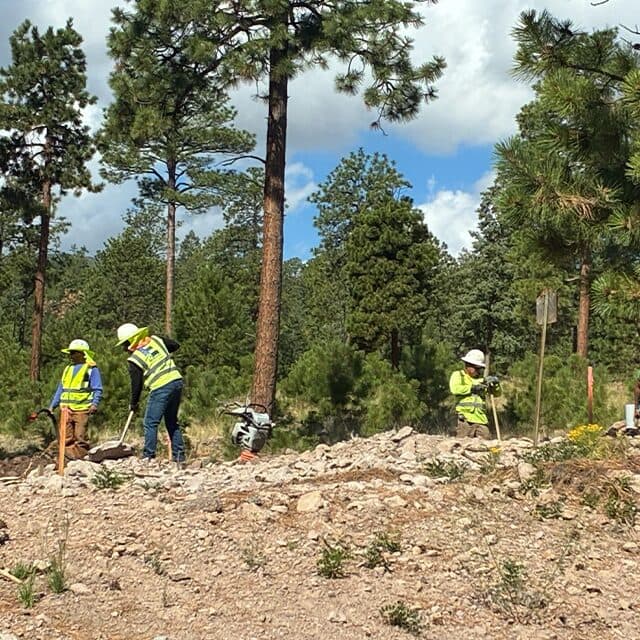
Pajarito Bike Park is closed this summer while crews work on the mountain. The payoff is aimed at next winter: more reliable snowmaking, better lift readiness, and a stronger draw for visitors and the businesses that depend on them.
What changes are visible now
The closure is not a sign of inactivity. It is the visible edge of a much larger project unfolding through spring and summer with progress updates, photos, and milestones.
Pajarito is one of Los Alamos County’s signature outdoor assets. When the slopes are green instead of snowy, the mountain still has to be managed as a working piece of infrastructure, not just a recreation site. Summer is when mountain operators can tackle lift work, trail and slope upkeep, equipment repairs, vegetation management, and planning that would be difficult once winter use returns.
The project behind the work
Pajarito calls its 2025 effort the biggest infrastructure investment in the resort’s history. The work is tied to the Jemez Mountain Fire Protection Project and will improve the consistency of water available to its snowmaking pond.
In Northern New Mexico, snowmaking is often the difference between a thin opening and a dependable season. The work includes new snowmaking infrastructure, lift upgrades, and lift maintenance, touching both the water supply and the machinery that gets skiers uphill. The mountain has also publicly introduced Jasen Bellomy as general manager.
Why that matters for winter visitors and local businesses
Pajarito’s work this summer is aimed at winter reliability, and that has a direct link to tourism spending in Los Alamos County. A smoother opening, steadier snowmaking, and better lift performance all help determine how many skiers come up the hill, how long they stay, and how much they spend in town on food, fuel, lodging, and supplies.
Visit Los Alamos listed Pajarito with an early opening on Nov. 9, 2024, showing how tightly the resort’s calendar depends on how ready the mountain is before the season starts. The better the summer work, the less likely the resort is to be caught scrambling when the first cold stretch arrives.
The off-season is part of a longer winter cycle rather than a pause. Pajarito is using the summer to maintain and improve the mountain for the next winter season.
A small ski area with outsized local importance
Pajarito has long been part of the identity of Los Alamos and the Pajarito Plateau. A 2016 Ski Magazine feature called it "a tiny nonprofit ski area near Los Alamos, New Mexico." The resort operates at a different scale than the big destination mountains farther north and west.
The mountain’s value is not measured only in lift tickets. The J. Robert Oppenheimer Memorial Committee highlighted skiing as part of Los Alamos culture in 2023, reflecting how closely the sport is tied to local history and recreation.
Jobs, planning, and the county economy
The summer project also connects to the labor side of the ski business. Pajarito relies on seasonal hiring and a broader employment infrastructure. The mountain is not just preparing machines and roads. It is also preparing the workforce that will operate them.
Los Alamos County’s tourism strategy has tied visitor activity to economic development since the county published its tourism strategic plan on Feb. 16, 2018. Pajarito’s summer construction is part of the county’s broader tourism base, where outdoor assets help drive traffic to local restaurants, shops, and service businesses while also providing seasonal jobs tied to the winter economy.
When snow returns, the results will show up in small, concrete ways: better water delivery for snowmaking, lifts that need less troubleshooting, and a resort that is ready to open with less delay.
This article was produced by Prism’s automated news system from verified source data, official records, and press releases, then run through automated quality and moderation checks before publishing. The system is built and supervised by the people who set the standards it runs under. Read our full AI policy.
Did this article answer your question?