New Mexico Leads Nation in Infant Early Intervention Enrollment
Federal data released December 25, 2025 show New Mexico ranked first nationally for identifying and enrolling infants birth to 12 months with developmental delays and disabilities, and second nationally for serving children ages one to two. The state Early Childhood Education and Care Department emphasized statewide access through the Family Infant Toddler program and recent investments aimed at strengthening workforce capacity and pay, developments that matter to Los Alamos families and local service providers.
Federal Office of Special Education Programs data released December 25, 2025 placed New Mexico at the top of the nation for identification and enrollment of infants birth to 12 months who have developmental delays or disabilities, and second nationally for children ages one to two. State officials highlighted that the Family Infant Toddler program provides no cost evaluations and early intervention services to families in all 33 counties, including Los Alamos County.
The announcement noted targeted investments in workforce training, including Family Guided Routines Based Intervention, and 2025 rate increases intended to support competitive wages for providers delivering services in rural communities. Those policy choices are intended to address longstanding barriers to access, such as provider shortages and travel time for home based visits, that can affect timely evaluation and ongoing therapy.
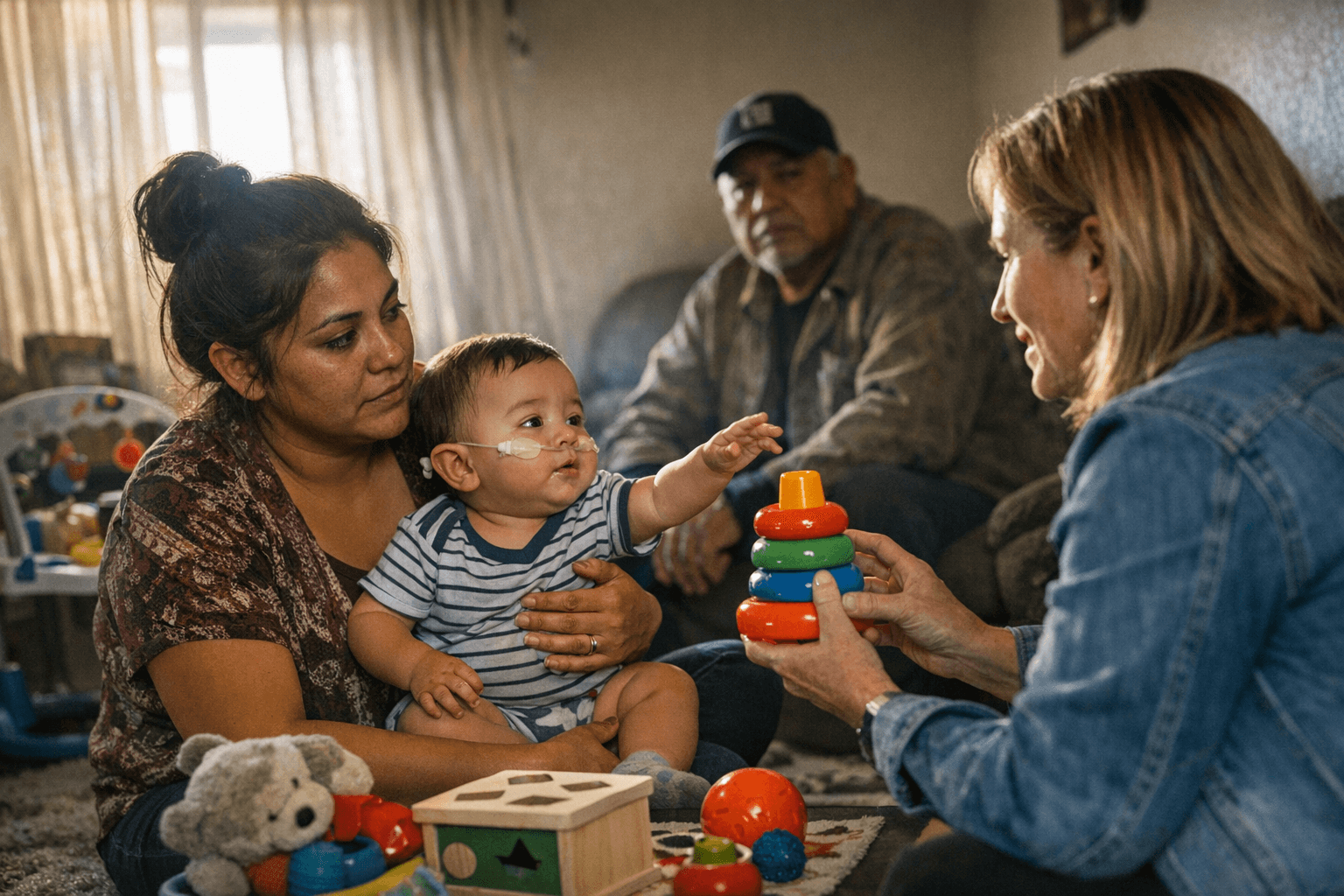
Early identification and intervention are shown to improve developmental outcomes and to reduce the later need for special education services in school. For Los Alamos County parents who believe their child may benefit from evaluation or services, the state directs families to call 1-877-696-1472 for referrals to local providers and coordinators. Families who engage with the FIT program can receive assessments and supports at no cost, which may alter the trajectory of a child s development and reduce future educational and financial burdens on families and the public school system.
The state level ranking reflects institutional priorities and budgetary decisions that are set by elected officials and administered through state agencies. For local policymakers and stakeholders the ranking underscores the importance of sustaining workforce investments and ensuring coordination between early intervention providers and Los Alamos schools and health services. County level planners and school administrators may see long term implications for special education demand and for local workforce needs if early supports continue to expand.
The federal data and state actions provide immediate guidance for families seeking services, and frame a local policy conversation about funding, provider capacity, and how Los Alamos will maintain timely access to early childhood intervention going forward.
This article was produced by Prism’s automated news system from verified source data, official records, and press releases, then run through automated quality and moderation checks before publishing. The system is built and supervised by the people who set the standards it runs under. Read our full AI policy.
Did this article answer your question?