Santa Fe Indian School freshman studies risks of LANL Area G waste
A 14-year-old Santa Fe Indian School student put Area G’s radioactive legacy under a new spotlight, as Los Alamos residents still weigh what the site means for safety and cleanup.
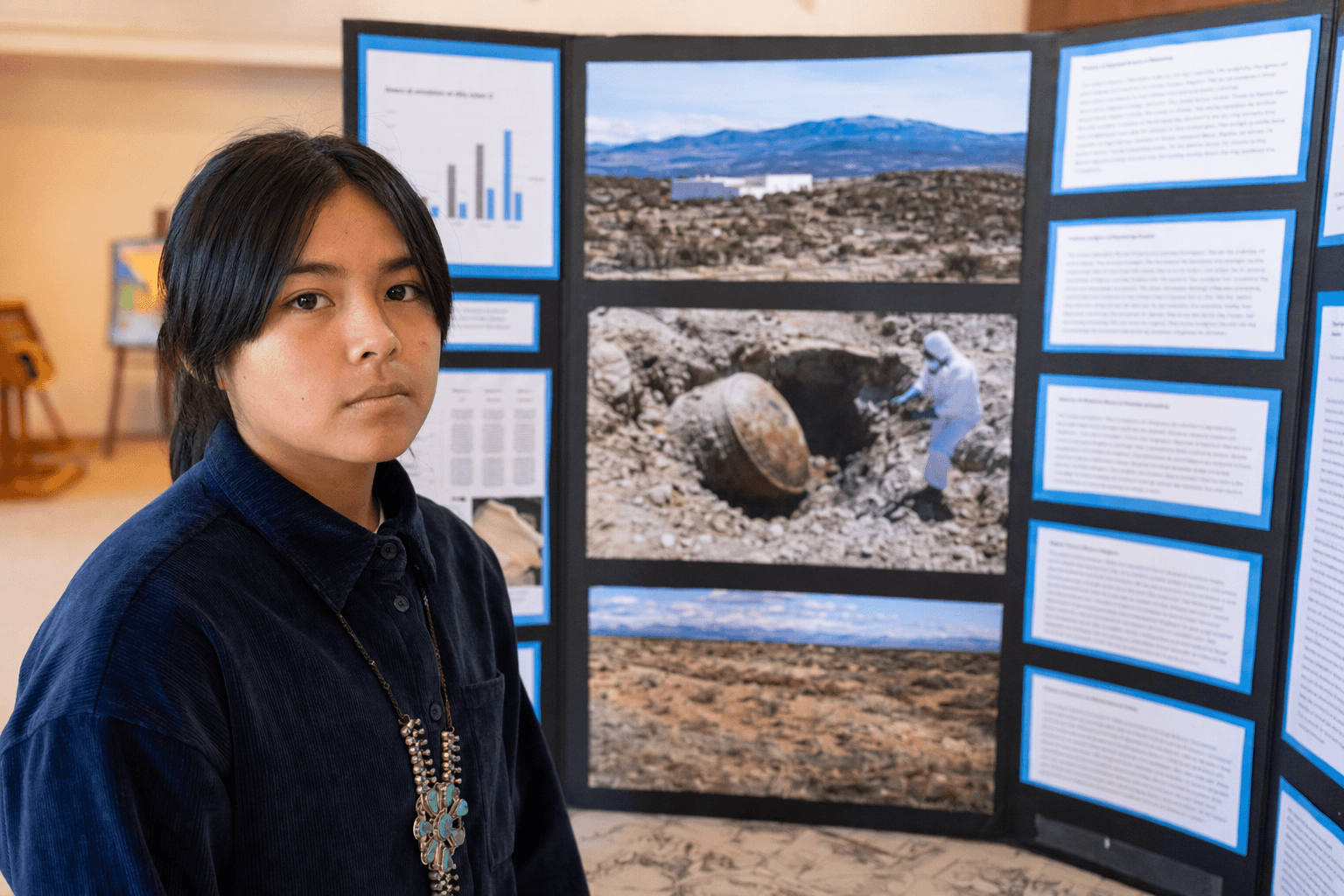
R’riana Frenier, a 14-year-old honor roll student at Santa Fe Indian School, has put Los Alamos National Laboratory’s Area G back in the spotlight with a study on the environmental and health risks tied to radioactive waste storage on the Pajarito Plateau.
Her work adds a young local voice to a debate that has shadowed Los Alamos for decades. Area G, also known as MDA G, opened in 1957 at Technical Area 54 and is described by cleanup contractors as a 63-acre, mostly inactive waste disposal site. It contains 32 pits, 194 shafts and four trenches, with disposal structures ranging from 10 to 65 feet below the original ground surface.
The site holds legacy transuranic and low-level waste pending off-site permanent disposal, and it sits at the center of a cleanup system that is still under pressure to answer community questions about monitoring and transparency. New Mexico and the U.S. Department of Energy signed a new settlement agreement on Aug. 30, 2024, to speed cleanup of legacy radioactive waste at LANL, replacing the contested 2016 agreement. That makes Area G not just a technical issue for lab contractors, but a live accountability test for state regulators, federal agencies and the public.
Frenier’s article, published by Communities for Clean Water on April 22, focused on Area G’s effects on people and the environment. The group identified her as a student from Santa Fe who is watching a problem that reaches beyond the lab fence line and into the wider Los Alamos community, where trust in oversight has long been shaped by the lab’s legacy.
That history includes the Cerro Grande wildfire, which began May 4, 2000, burned about 43,000 acres, including roughly 7,500 acres of LANL property, and forced evacuations in Los Alamos and White Rock for several days. The fire damaged or destroyed 112 Laboratory structures and 235 homes, intensifying fears that contaminated soil and legacy waste could move through canyons and toward the Rio Grande.
For Los Alamos readers, the key question is not whether Area G exists, but whether the systems meant to watch it are matching the scale of the risk. Frenier’s study lands in a community where cleanup deadlines, public confidence and long-term environmental accountability remain tightly linked.
This article was produced by Prism’s automated news system from verified source data, official records, and press releases, then run through automated quality and moderation checks before publishing. The system is built and supervised by the people who set the standards it runs under. Read our full AI policy.
Did this article answer your question?