State House Advances Interstate Licensing Bills to Expand Los Alamos Healthcare Access
New Mexico’s House advanced bills to join interstate licensing compacts, potentially speeding licensure and expanding local access to counseling, physical therapy, EMS and dentistry.
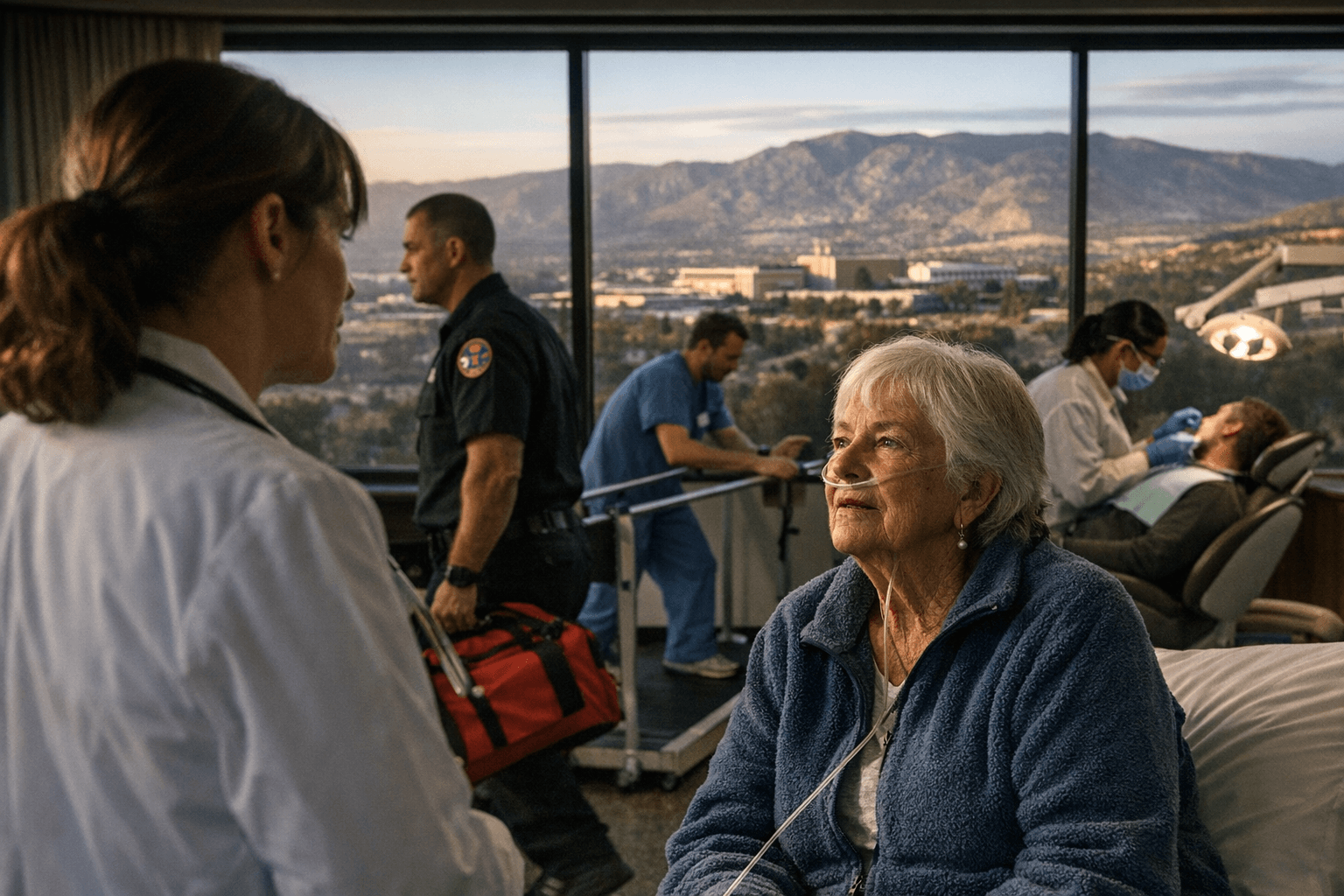
New Mexico’s House advanced a package of bills Jan. 26 that would allow the state to participate in interstate healthcare licensing compacts, a step lawmakers framed as a way to accelerate licensure for qualified providers and ease persistent workforce shortages. Supporters say the measures could expand access to services such as counseling, physical therapy, emergency medical services and dentistry in rural and underserved communities, including Los Alamos County.
The bills moved through the House during the 2026 legislative session and are part of a broader push to address gaps in care that have widened since the pandemic. By streamlining the licensure process for clinicians already credentialed in other compact member states, the proposed changes aim to reduce administrative delays that can keep providers from practicing across state lines. That could make it easier for telehealth clinicians, traveling therapists and out-of-state dentists or EMS personnel to serve local patients more quickly.
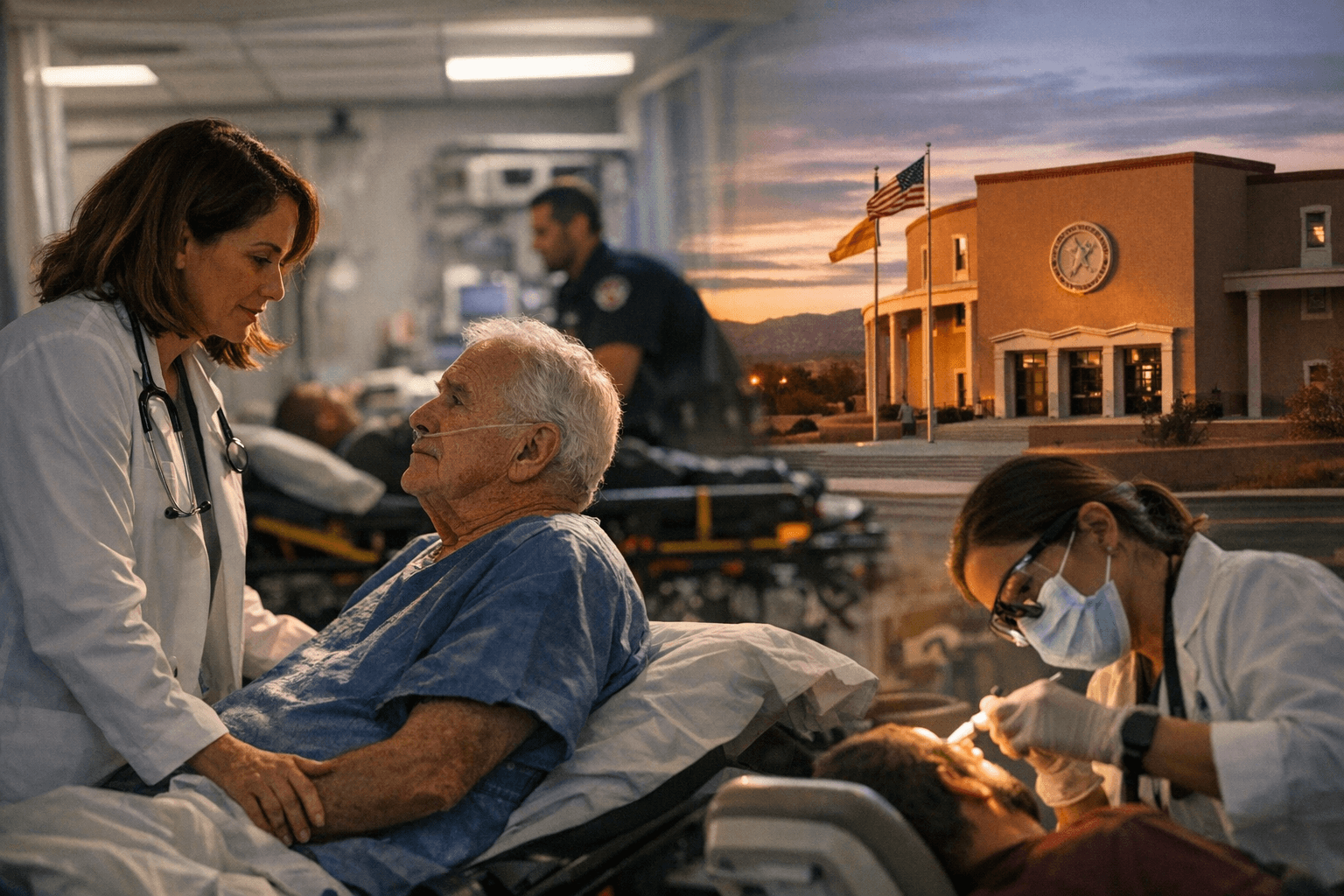
For Los Alamos County residents, the potential changes matter because a small provider pool and limited specialty capacity mean many people must travel outside the county for certain kinds of care. Faster licensure processes could increase the number of available clinicians for mental health counseling, rehabilitative therapies and dental care, and could bolster surge capacity for EMS during large events or seasonal staffing gaps. Local clinics and first responders might see relief if cross-state practitioners are able to join the workforce with fewer bureaucratic hurdles.
Policy questions remain about how interstate compacts intersect with state oversight, payment systems and scope-of-practice rules. Expedited licensure does not by itself guarantee equitable distribution of providers or address clinic space, broadband access for telehealth, or reimbursement rates that influence where clinicians choose to practice. State lawmakers and health officials will need to coordinate licensing changes with investments in infrastructure, Medicaid policy and recruitment strategies to ensure that expanded licensure translates into real gains for underserved neighborhoods.
The legislative advance on Jan. 26 sends the compact-authorizing bills to the next stage of the process, where further committee review and floor votes could alter details or add guardrails. For Los Alamos County residents, the immediate takeaway is that a concrete step has been taken to reduce a major barrier to bringing more clinicians into the region. Whether those gains reach Main Street practices and the Hill’s clinics will depend on follow-through at the Capitol and local planning to integrate new providers into the community.
Know something we missed? Have a correction or additional information?
Submit a Tip