After the Floods, McDowell County Residents Face Long Road to Recovery
Photojournalist Roger May returned to southern West Virginia nine months after intense flooding and found communities in Mingo, Logan, McDowell and Wyoming counties still grappling with damaged homes, broken roads and strained services. For McDowell County residents in towns such as Welch and Gary the slow recovery carries public health risks and deep equity implications that local leaders must address.
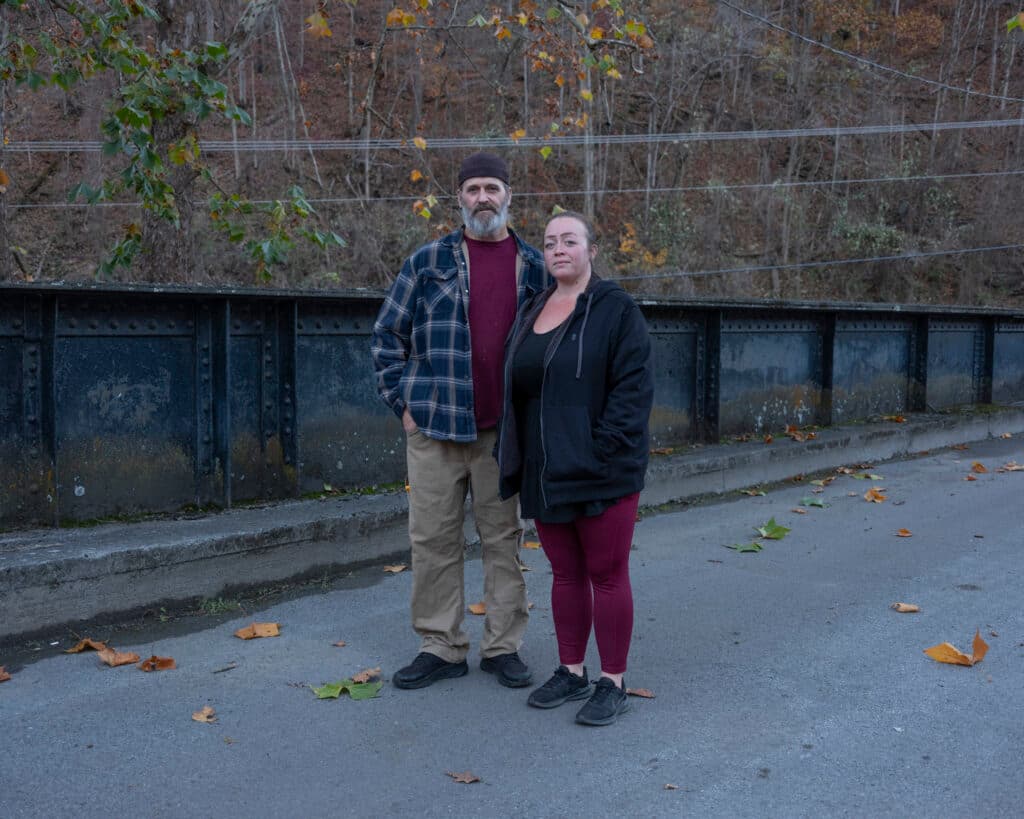
Photojournalist Roger May returned home to document how residents are still struggling to find normalcy nine months after flooding swept through southern West Virginia. His images and observations from Mingo, Logan, McDowell and Wyoming counties show damaged garages, stripped interiors, river scoured landscapes and long lines at food distribution sites, and they underscore a recovery that has stretched far beyond the initial emergency.
In McDowell County communities such as Welch and Gary families continued to clean out debris and repair homes while roads and bridges remained damaged. Power lines that fell during the floods, and sections of washed out roadway, left some neighborhoods isolated for days at a time and have made repair work slower and more costly. Local food banks remained a visible part of daily life as volunteers and residents sorted supplies and coordinated basic needs.

Flooding here is not a one off event. Narrow hollows and small streams can swell into violent runoff with little warning, sending water downhill through communities built along creeks because flat, buildable land is scarce. That geographic reality, combined with deep personal and cultural ties to place, many families lack both the option and the resources to relocate. As a result the burden of repeated disaster falls on households that already face economic hardship.
The public health implications are immediate and persistent. Water damaged homes are vulnerable to mold and damp related respiratory illness. Limited access caused by damaged infrastructure complicates medical transport and hinders outreach by public health teams. Mental health needs are rising as residents confront the stress of repair delays, financial strain and the emotional toll of losing familiar spaces. Local services and clinics are stretched thin as they try to respond while broader recovery remains incomplete.
The images on the ground point to policy questions about equitable recovery. Rebuilding must include not only temporary relief but also investments in resilient infrastructure, accessible health services, and housing repair programs that prioritize low income and elderly residents. Without targeted funding and coordinated state and federal support, recovery will remain uneven and communities like Welch and Gary will keep facing the next storm from a position of vulnerability.
May's work captures the human face of those systemic gaps. The photographs and scenes from McDowell County are a reminder that emergency response is only the start, and that long term recovery requires health centered planning, infrastructure investment, and policies that reduce disparities for communities still rebuilding their daily lives.
This article was produced by Prism’s automated news system from verified source data, official records, and press releases, then run through automated quality and moderation checks before publishing. The system is built and supervised by the people who set the standards it runs under. Read our full AI policy.
Did this article answer your question?