Anawalt Lake Wildlife Management Area Offers Outdoor Recreation in McDowell County
Tucked into McDowell County's mountains, Anawalt Lake WMA puts 1,792 acres of hardwood forest and prime hunting ground within 20 miles of Welch.
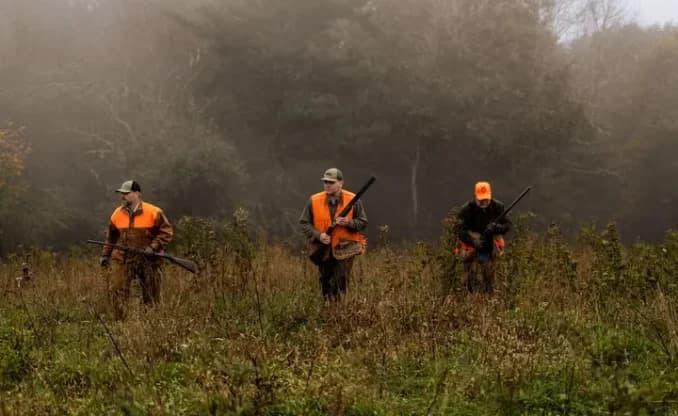
Nestled in the steep ridges of McDowell County, Anawalt Lake Wildlife Management Area stretches across 1,792 acres of mountainous hardwood forest about 20 miles southeast of Welch. Owned by the West Virginia Division of Natural Resources and managed by the Wildlife Resources Section, this District 4 public land gives county residents and visiting outdoorspeople a free, accessible place to hunt, hike, and explore some of the most rugged terrain in southern West Virginia.
Getting There
Reaching Anawalt Lake WMA requires a short but deliberate drive from Welch. Follow state Route 103 south out of Welch to state Route 161, then continue along state Route 161 and county Route 84 into the community of Anawalt. From Anawalt, county Route 8 takes you directly to the Wildlife Management Area. The route winds through the kind of narrow mountain roads that define this corner of McDowell County, so plan accordingly if you are towing equipment or driving a larger vehicle.
The Land Itself
The WMA's terrain is defined by steep slopes covered in mountainous hardwood forest. Oak-hickory forest types dominate the drier, exposed ridgelines, while the sheltered coves drop into stands of yellow poplar and black cherry. This variation in vegetation is not just scenery; it directly shapes where wildlife concentrates and what conditions hunters and wildlife observers will encounter across different parts of the property.
Once you are on the WMA, several administrative roads and trails provide interior access, but these routes are designated for foot travel only. There are no motorized vehicle routes through the interior, which means reaching the back country requires a genuine hike across terrain that can be demanding. Sturdy footwear and a reliable map or navigation device are practical necessities given the elevation changes on the steep slopes.
Hunting at Anawalt Lake
Anawalt Lake WMA supports hunting for five primary game species: bear, deer, grouse, squirrel, and turkey. This range covers both big-game and small-game hunters, and the hardwood forest composition provides the mast crops, dense cover, and cove habitat that each of these species depends on. The mix of oak-hickory ridges and poplar-filled hollows creates edge habitat and food sources that attract wildlife across seasons.
Beyond game species, the WMA also supports a notable furbearer community. Species present include bobcat, coyote, gray fox, opossum, raccoon, and skunk. Trappers and hunters targeting furbearers will find the mountainous, forested terrain consistent with what these animals use for denning and travel corridors.
Anyone planning to hunt or trap at Anawalt Lake WMA should obtain current season dates, bag limits, and any required licenses or permits directly from WVDNR before heading out. The Wildlife Resources Section manages the property and can provide up-to-date regulations, as season structures and bag limits are subject to change annually.
A Neighboring Option: Tug Fork WMA
McDowell County hunters and outdoor enthusiasts who want to explore more public land have a second major option nearby. Tug Fork Wildlife Management Area, listed as No. 60 in WVDNR's District 4 inventory, sits approximately 10 miles northeast of Welch. Access runs north along U.S. Route 52 to the community of Premier.
At 6,530 acres, Tug Fork is considerably larger than Anawalt Lake, covering primarily mixed hardwood forest with the same oak-hickory and yellow poplar/black cherry pattern found at its District 4 neighbor. Interior access there is also restricted to foot travel on administrative roads and trails. Hunting prospects mirror those at Anawalt: bear, deer, grouse, squirrel, and turkey. Furbearers at Tug Fork include bobcat, coyote, opossum, raccoon, and skunk.
Tug Fork adds one recreation category that the Anawalt Lake research notes do not specify: fishing. The Tug Fork River, which runs through or adjacent to the WMA, supports warmwater game fish species, giving anglers a reason to add this property to their planning. Like Anawalt, Tug Fork is owned by WVDNR and managed by the Wildlife Resources Section. One important rule applies at Tug Fork: camping is not permitted on the WMA.
What to Confirm Before You Go
A few practical details about Anawalt Lake WMA are worth verifying directly with WVDNR before your visit. The source documentation for Anawalt includes headings referencing boating and water recreation, but specific details about boat access, motor restrictions, and launch points on the lake itself are not confirmed in the available information. Similarly, whether camping is permitted at Anawalt Lake, and under what conditions, is not specified in the current WVDNR listing. Anglers interested in the lake should also check with WVDNR on fish species present, stocking history, and any applicable regulations.
Calling or checking with WVDNR's Wildlife Resources Section before your first visit is the best way to get current access road conditions, confirm whether any seasonal gate closures affect interior routes, and pick up the most recent regulation booklet for McDowell County WMAs.
Know Before You Go
A few practical points to keep in mind when planning a trip to Anawalt Lake WMA:
- Interior roads and trails are for foot travel only; no motorized vehicles are permitted beyond the access roads.
- The terrain features steep mountain slopes, making sturdy, ankle-supporting footwear a practical necessity.
- A map, compass, or GPS device is advisable given the size of the property and the elevation changes on-site.
- Valid West Virginia hunting and trapping licenses, along with any required stamps or permits, must be in hand before taking game on the WMA.
- Contact WVDNR's Wildlife Resources Section to confirm current regulations, seasonal access conditions, and any WMA-specific rules before your visit.
Both Anawalt Lake and the larger Tug Fork WMA represent a meaningful public-land legacy in a county where outdoor recreation is woven into daily life. For McDowell County residents and the hunters, hikers, and wildlife watchers who travel here from across the region, these WVDNR-managed acres offer open space that remains free and accessible on the steep, forested mountains that give this part of West Virginia its character.
This article was produced by Prism’s automated news system from verified source data, official records, and press releases, then run through automated quality and moderation checks before publishing. The system is built and supervised by the people who set the standards it runs under. Read our full AI policy.
Did this article answer your question?