Changing Atmospheric Moisture Drives Repeated Flash Floods in McDowell County
Changing patterns of atmospheric moisture are concentrating intense, short bursts of rainfall in Appalachian valleys, producing repeated flash floods that threaten homes, roads, and emergency response in McDowell County.
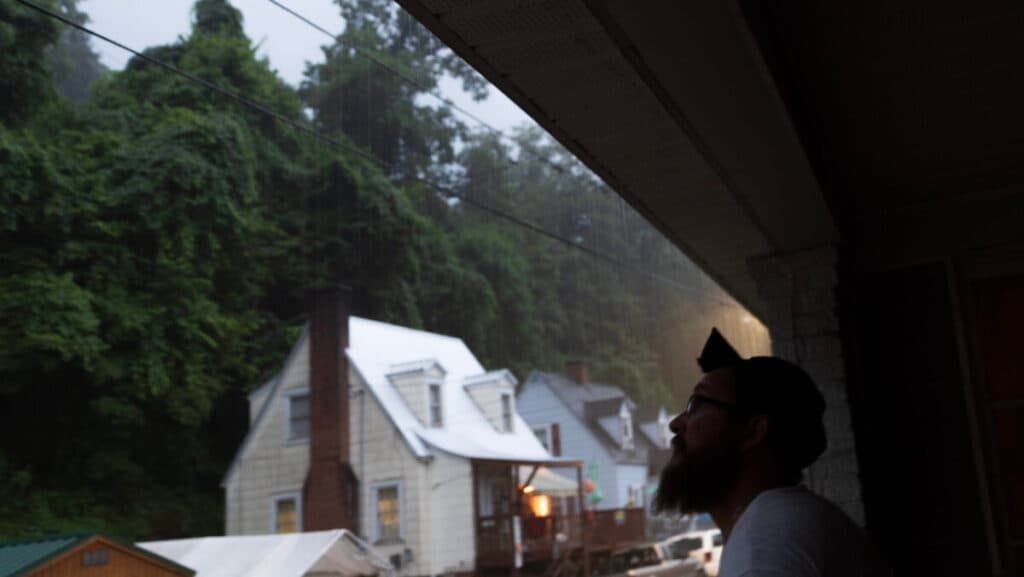
Intensifying pockets of atmospheric moisture are producing heavier, shorter bursts of rainfall that funnel into McDowell County's narrow hollows and steep stream channels, driving repeated, damaging flash floods in communities such as Welch. Those floods are exposing longstanding vulnerabilities in housing, roads, bridges, and emergency response capacity across the southern West Virginia coalfields.
An Inside Appalachia conversation on Jan. 26, 2026, between host Mason Adams and reporter Brady Dennis examined how a phenomenon called integrated vapor transport is shifting the region's rainfall patterns. Warmer air now holds more moisture, and changes in atmospheric circulation are concentrating that moisture into intense, short-duration storms. In West Virginia's mountain terrain, heavy rain that falls over steep slopes and into narrow valleys turns to rapid runoff, producing fast-moving flash floods rather than the slower river flooding more typical in flatter regions.
Local geography multiplies the risk. McDowell County's ridges and hollows channel water into tight stream corridors where culverts and small bridges cannot absorb sudden surges. Historic land use in coalfield communities has altered soils and slope stability in places, reducing the landscape's ability to slow or absorb runoff and increasing the speed and volume of floodwaters. The repetition of these events has revealed gaps in building safety, infrastructure resilience, and on-the-ground emergency response that demand policy attention.
For McDowell County residents, the immediate impacts are practical and persistent: damaged homes, interrupted utilities, blocked roads, and the danger posed by fast-moving water in places where escape routes are limited. Repeated flooding also depresses property values, complicates insurance availability, and strains volunteer and paid emergency services that already operate with limited resources. Local officials and emergency managers must balance immediate recovery with longer-term decisions about whether to invest in protective infrastructure, relocate vulnerable housing, or update land-use rules that guide rebuilding.

Policy implications are clear. Investments in resilient road crossings and larger-capacity drainage, updated flood mapping that accounts for concentrated, short-duration rainfall, and strengthened emergency warning systems could reduce future harm. Coordination among county officials, state agencies, and federal partners will be necessary to secure funding and technical assistance for those measures. Community engagement will be essential to prioritize projects that protect the most at-risk residents in places like Welch and surrounding coalfield hollows.
As weather patterns continue to evolve, McDowell County faces recurring decisions about where to rebuild, where to reinforce, and how to mobilize scarce resources to reduce risk. Local leaders, state officials, and residents will need clear, locally tailored plans to translate changing science into practical protections for homes, roads, and lives.
This article was produced by Prism’s automated news system from verified source data, official records, and press releases, then run through automated quality and moderation checks before publishing. The system is built and supervised by the people who set the standards it runs under. Read our full AI policy.
Did this article answer your question?