Flood Recovery Highlights Longstanding Health and Infrastructure Needs in McDowell County
On February 15, 2025, heavy flooding battered McDowell County communities along the Tug Fork, Elkhorn Creek, and Dry Fork, adding to decades of flood damage and worsening housing and health access challenges. The event underscored long-term population loss, aging infrastructure, and the need for coordinated investments in resilient housing, healthcare access, and broadband to protect public health and support recovery.
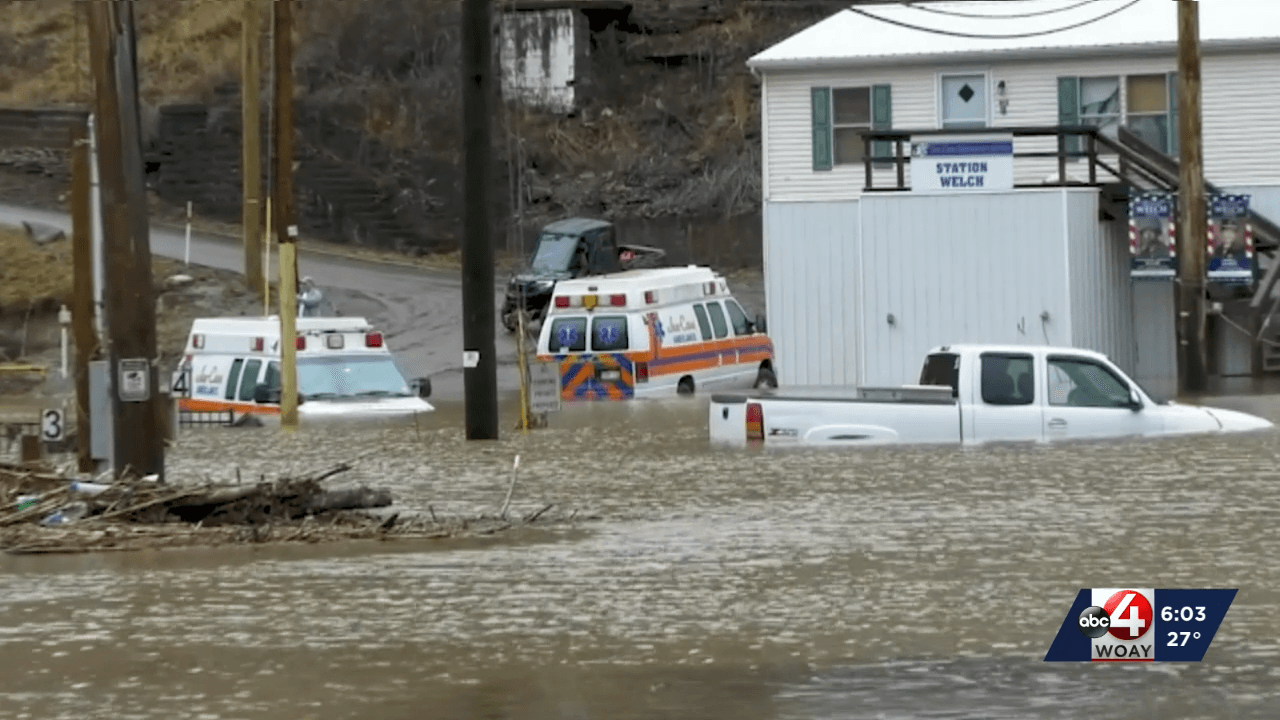
McDowell County, founded in 1858 and occupying roughly 535 square miles in southern West Virginia, was hit hard by flooding on February 15, 2025. Waters from the Tug Fork, Elkhorn Creek, and Dry Fork inundated valleys that hold Welch, Kimball, Keystone, Northfork, Gary, War, Bradshaw, Davy, Iaeger and Anawalt, causing damage to homes, roads, and community facilities. The storm revisited a familiar pattern of disaster: the county has endured major floods in 1977, 2001 and 2002, and each event has compounded long-standing economic and demographic stress.
The human toll went beyond property loss. Flooding disrupted access to primary and emergency care when roads and bridges became impassable and utility outages affected clinic operations. Local public schools and the county courthouse in Welch experienced interruptions, and temporary displacement raised immediate public health concerns including contaminated water supplies, heightened risk of mold-related respiratory illness, and challenges managing chronic conditions. Mental health needs increased as families faced repeated loss and uncertainty following decades of economic decline tied to the collapse of large-scale coal employment after mechanization and mine closures.
McDowell’s long-term population loss and shrinking household base have left infrastructure and social services under strain. Persistent out-migration reduced tax base and workforce capacity, complicating recovery. At the same time, community development efforts have shown promise: recent housing projects aim to replace unsafe stock, investments in broadband have expanded access to education and telehealth, and tourism and heritage initiatives build on the county’s parks and wildlife management areas to diversify the local economy.
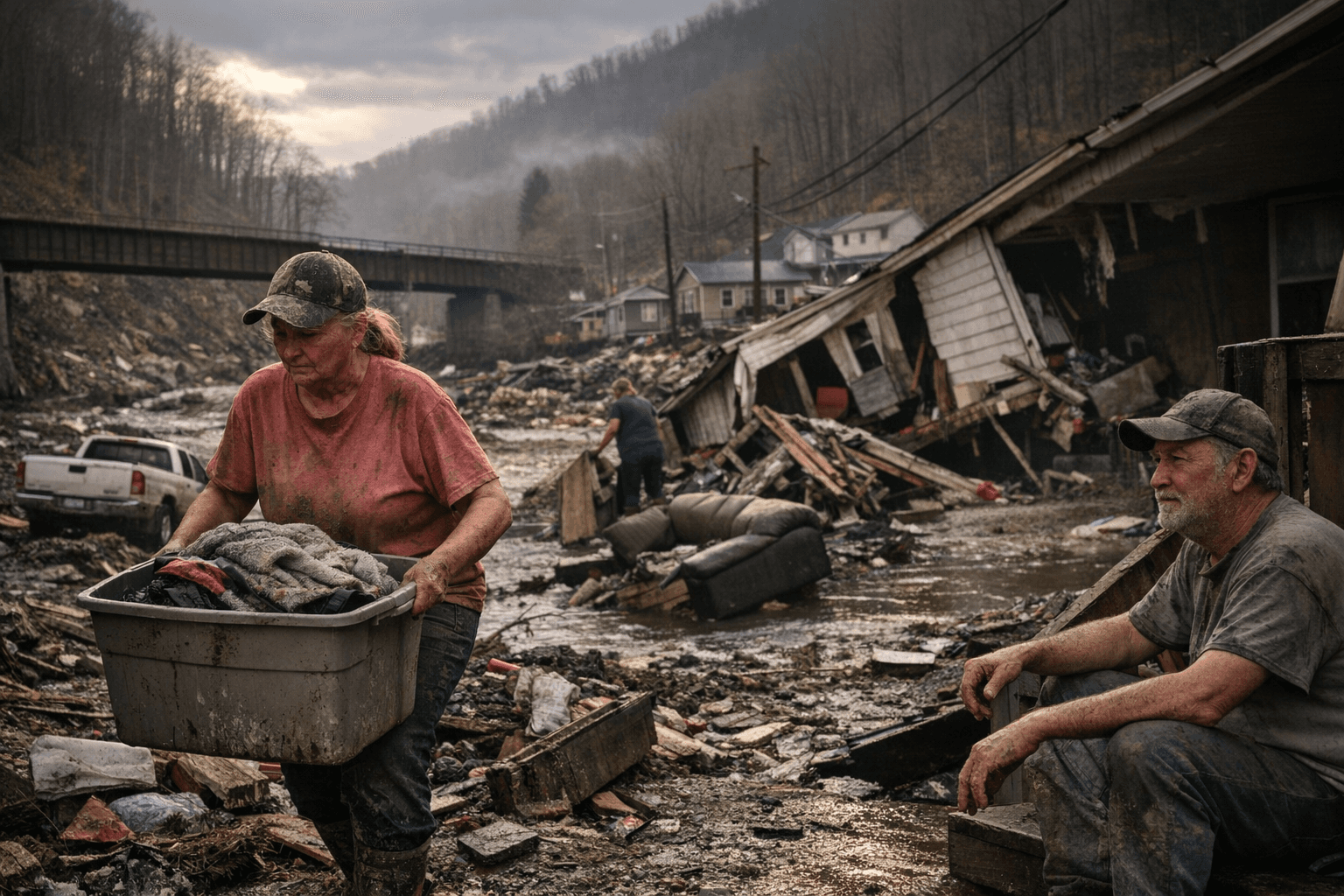
Public health and equity experts say recovery must move beyond short-term repairs. Strengthening flood mitigation, rebuilding resilient housing, and ensuring reliable broadband are public health priorities because they affect water safety, access to telemedicine, continuity of education, and economic opportunity. Restoring and expanding primary care, behavioral health, and emergency services in rural communities like McDowell is essential to reduce disparities that have widened as the county’s economy shifted.
As recovery work continues, county leaders and residents face policy choices about how to allocate limited resources to both immediate needs and long-term resilience. Investments that address infrastructure, housing quality, broadband connectivity and healthcare capacity can reduce the impact of future floods and support communities seeking stability after decades of decline. The February 15, 2025 flood renewed urgency for those investments, highlighting how environmental hazards and structural inequities intersect to shape health outcomes across McDowell County.
This article was produced by Prism’s automated news system from verified source data, official records, and press releases, then run through automated quality and moderation checks before publishing. The system is built and supervised by the people who set the standards it runs under. Read our full AI policy.
Did this article answer your question?