Keystone, McDowell County, Coal Era History Shapes Local Policy Priorities
Keystone's long standing ties to the coal era and a distinctive local political history make the town a focal point for heritage tourism and county planning. Limited services and the community's unique demographic legacy mean residents and visitors face practical constraints, and local leaders must address infrastructure and preservation to ensure equitable benefits.
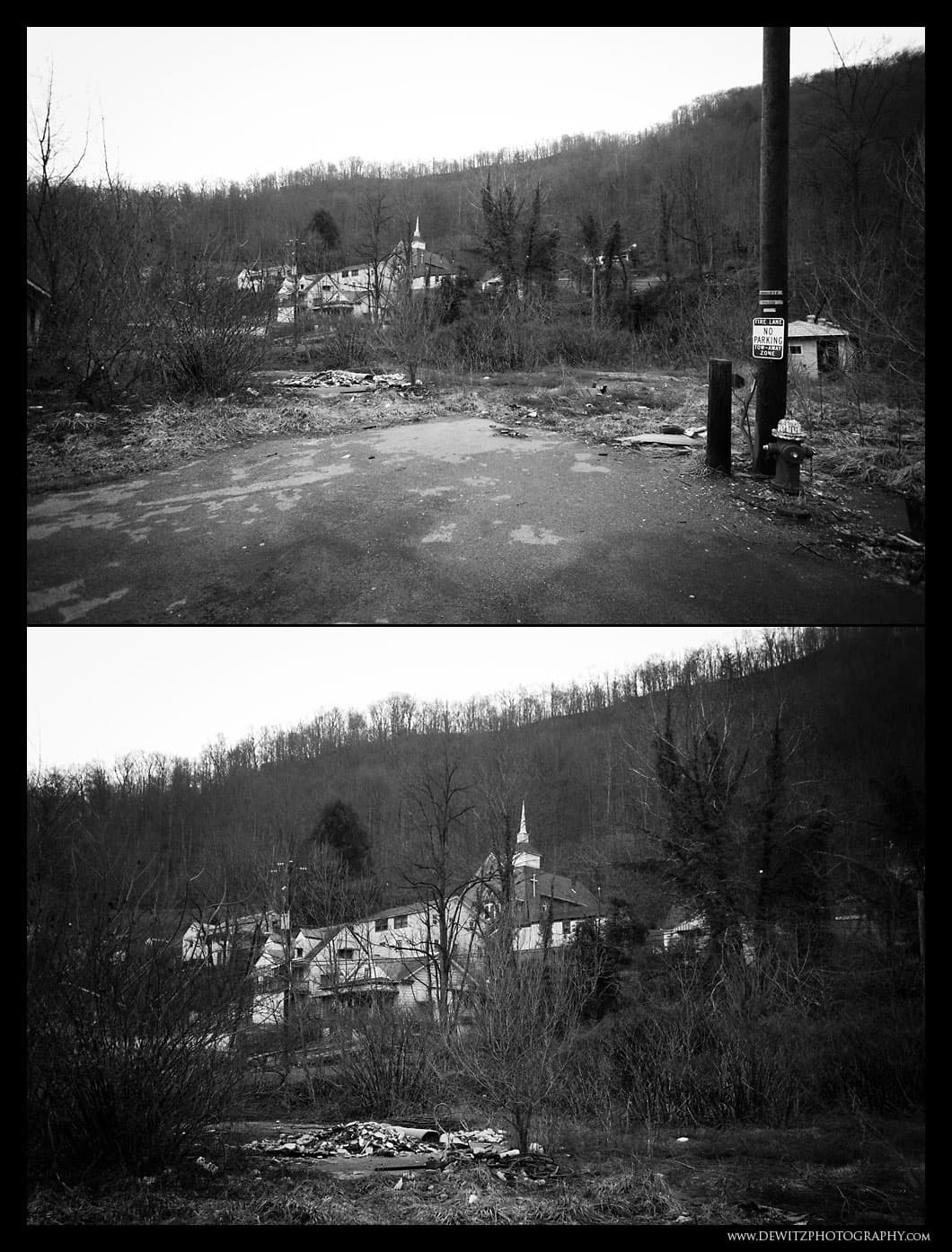
Keystone, incorporated in 1909, remains a compact community whose social landscape was shaped by coal era development along Elkhorn Creek. The town's notable African American population and its history of distinctive local leadership have drawn historians and travelers interested in the region's social and political past. Those characteristics also create policy responsibilities for McDowell County as it seeks to manage heritage tourism and basic public services.
For residents, the immediate implications are practical and pressing. Keystone's population is under a few hundred, and commercial services are limited. Visitors should plan ahead for fuel, dining and lodging in larger nearby towns, and should check hours for any local museums or community sites before traveling. For local governments, those service realities highlight gaps in transportation, emergency response, and visitor amenities that affect both daily life and tourism revenue potential.
From an institutional perspective, Keystone exemplifies how small towns with concentrated historical significance require targeted county and state coordination. Preservation of cultural sites and inclusive interpretation of the town's African American heritage will depend on funding decisions, infrastructure investments, and sustained civic engagement. Voting patterns in areas with strong community institutions often reflect localized priorities, and ensuring representation in county resource allocation will hinge on proactive outreach and voter participation by Keystone residents.

Economic development tied to the Coal Heritage Trail and the Hatfield McCoy region presents opportunity, but realizing that opportunity requires investment in roads, signage, restroom facilities, broadband access and reliable emergency services. Those are practical policy levers McDowell County and state agencies can use to increase visitor stays and support local businesses while protecting small town character.
Keystone's history and present circumstances matter for the wider county because preservation and infrastructure decisions set precedents for other small communities. Residents and civic leaders in Keystone can leverage the town's unique story to advocate for resources, and county officials must weigh those requests against competing needs elsewhere. Thoughtful planning and inclusive engagement will determine whether Keystone's legacy translates into sustainable local benefits.
This article was produced by Prism’s automated news system from verified source data, official records, and press releases, then run through automated quality and moderation checks before publishing. The system is built and supervised by the people who set the standards it runs under. Read our full AI policy.
Did this article answer your question?