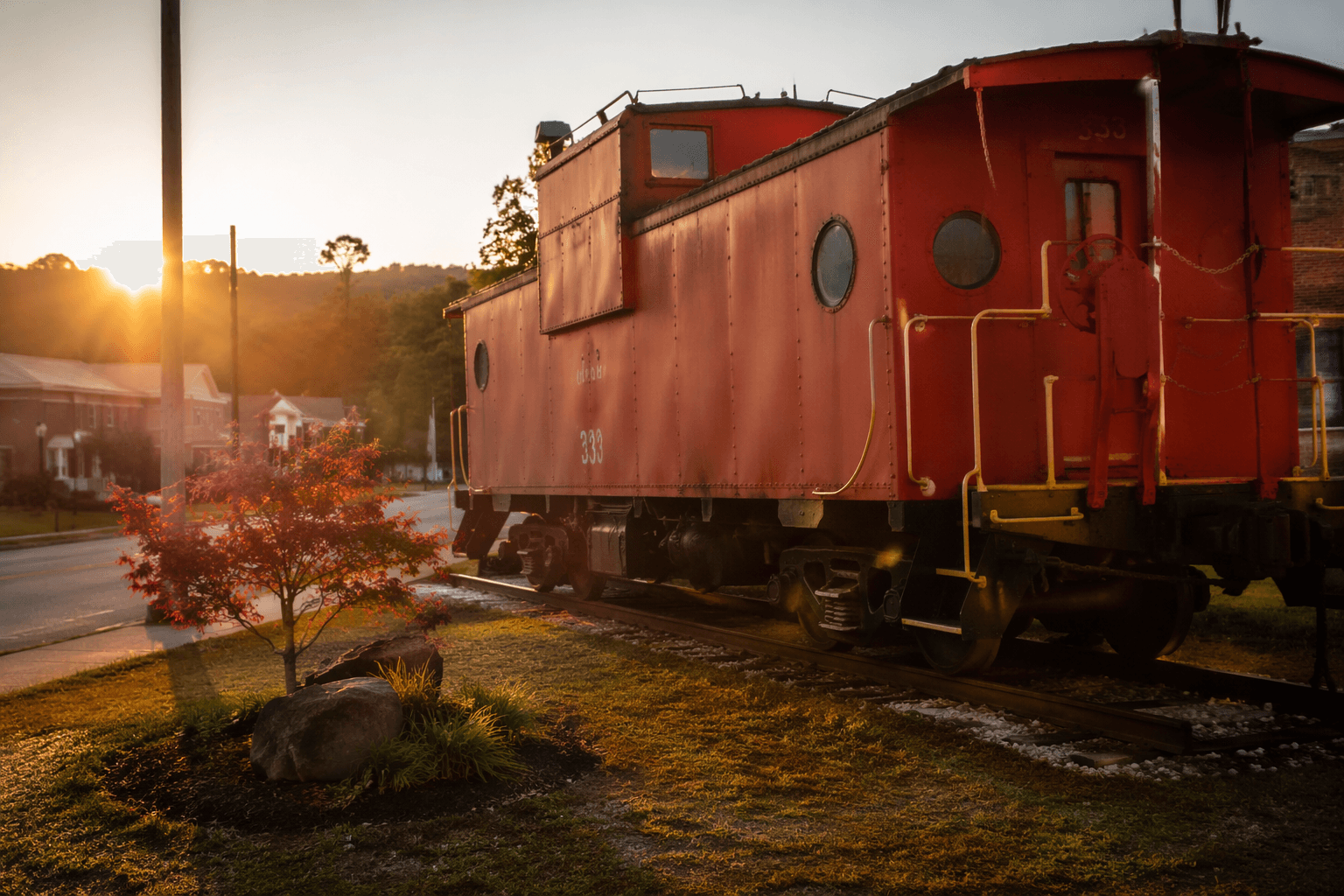
McDowell County Heritage and Outdoors Offer Tourism and Local Opportunity
McDowell County's concentration of historic coal era towns, memorials, and public forestlands supports local tourism and community events, but also highlights persistent safety, access, and equity challenges for residents. Visitors and planners must balance heritage preservation and outdoor recreation with public health protections, infrastructure needs, and equitable economic development for Welch and surrounding towns.
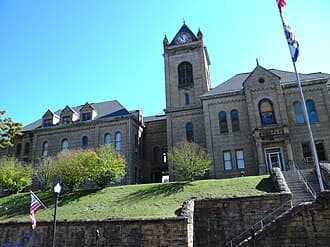
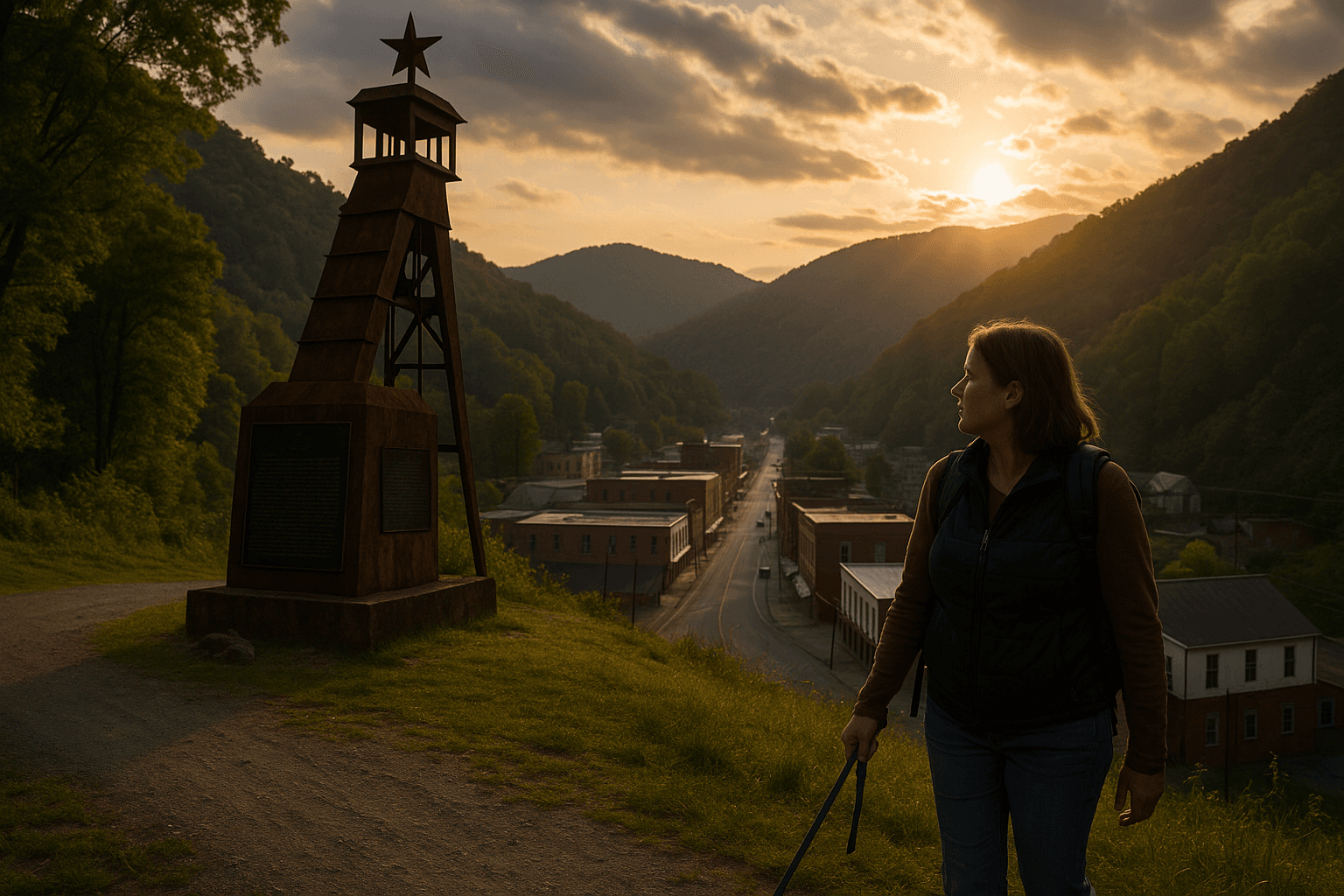
McDowell County is home to a dense collection of heritage sites and outdoor assets that draw researchers, heritage tourists, and regional visitors. Anchoring downtown Welch is the late nineteenth and early twentieth century Romanesque county courthouse, a frequent feature in heritage tours. Scattered across the coalfield landscape are former coal towns and company built neighborhoods in places such as Coalwood, Bartley, Berwind, Caretta, and Pageton that contain historic structures and memorials tied to the county's mining era. Small towns including Kimball preserve World War One memorials and markers that document the region's history, including African American contributions during and after the coal boom.
Public lands provide complementary outdoor recreation opportunities. Panther State Forest and adjacent wildlife management areas offer hiking, hunting, wildlife viewing and scenic drives along Appalachian ridgelines. Tributaries of the Tug Fork and smaller streams provide fishing and river access where public entry exists, and local volunteer groups together with state agencies periodically coordinate river access and cleanup efforts. Annual community festivals, parades and cookoffs held in summer and fall celebrate regional foodways, music and heritage, and bring visitors to McDowell's towns.
These assets are central to local economic and community strategies, yet they carry public health and safety implications that require attention. Many historic coal sites sit on private land or retain old infrastructure, creating hazards for curious visitors and residents. Limited business hours across small towns mean travelers and emergency responders may face gaps in access to fuel or services. Waterway recreation and cleanup efforts underline ongoing environmental stewardship needs that intersect with health, especially for communities relying on local streams for food and leisure.
Policymakers and local leaders face choices about how to translate heritage and outdoor assets into equitable benefits. Investments in signage and site safety, coordinated emergency medical planning for festivals and remote recreation areas, improved visitor information in Welch, and support for volunteer cleanup groups all can reduce risk and expand local opportunity. Preserving historic memory while promoting healthy, inclusive tourism requires resources and cross sector collaboration so that the economic promise of McDowell's history and nature reaches residents as well as visitors.
This article was produced by Prism’s automated news system from verified source data, official records, and press releases, then run through automated quality and moderation checks before publishing. The system is built and supervised by the people who set the standards it runs under. Read our full AI policy.
Did this article answer your question?