McDowell County Highlights Trails, Historic Sites and Community Events
McDowell County’s mix of historic downtowns, trail access and outdoor public lands is drawing visitors and sustaining local gatherings, with riders and nature users frequently stopping in towns such as Welch and War. These attractions matter to residents because they support small businesses, preserve community traditions and create pressure points for infrastructure and land management decisions.

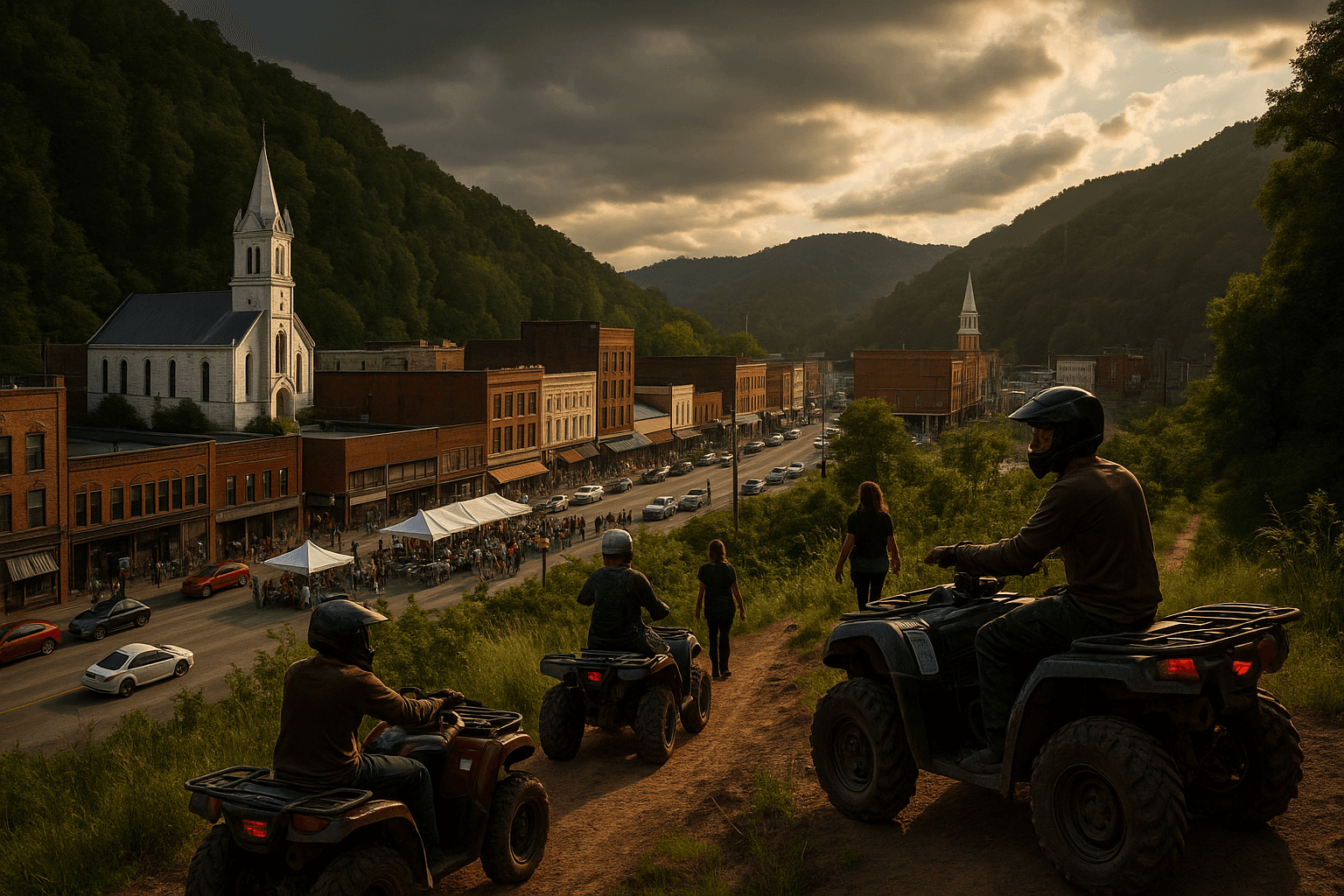
McDowell County’s assets from downtown Welch to remote wildlife areas are shaping both everyday life and the local economy. Historic brick commercial buildings in the Welch Commercial Historic District anchor a compact downtown where veteran memorials, the Flat Iron building and small shops provide focal points for seasonal events and civic gatherings. Long running community traditions such as Welch’s Veterans Day parade and recurring seasonal festivals and community meals reinforce social ties and draw visitors from inside and outside the county.
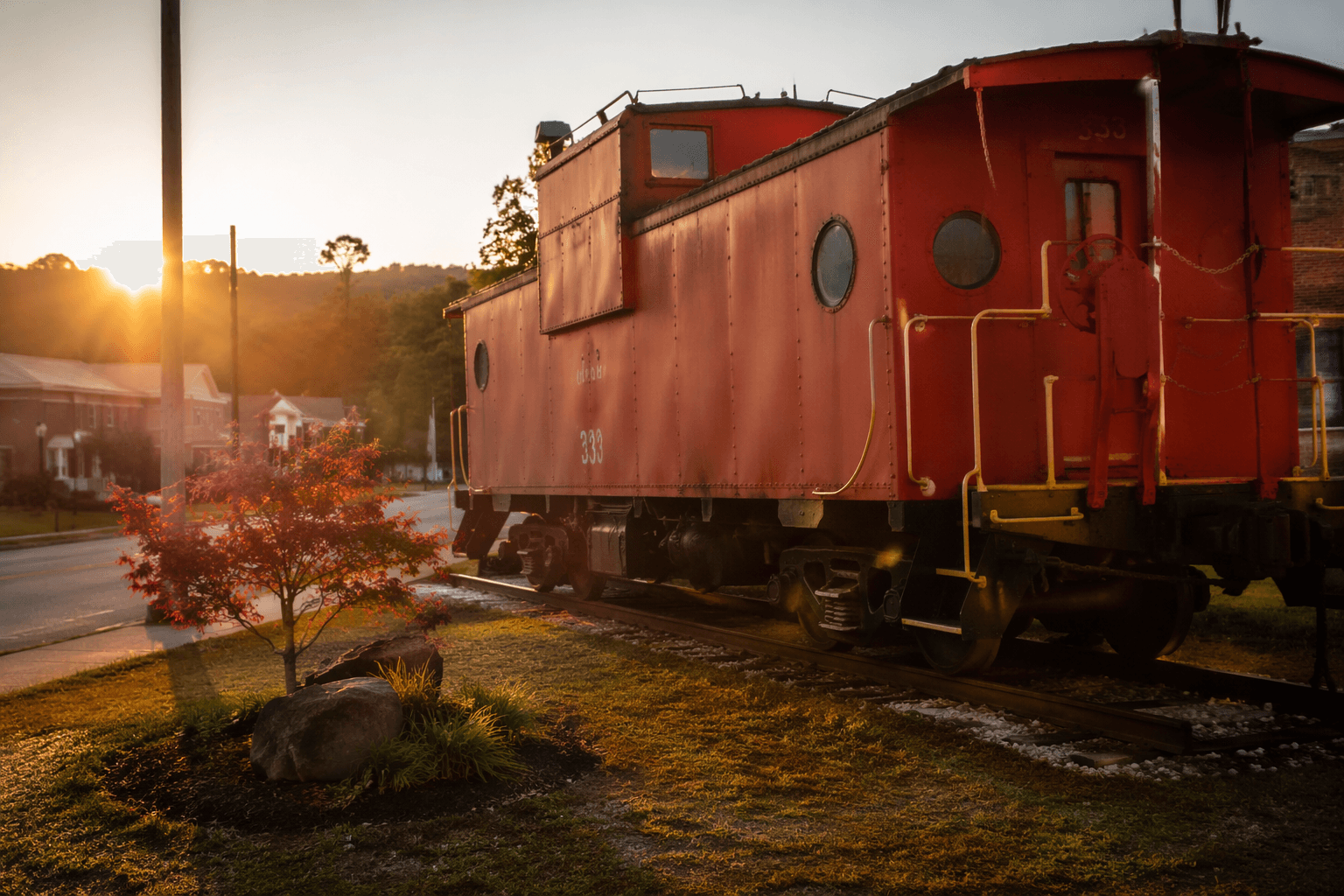
Motorcycle and scenic driving routes, including access for Hatfield McCoy trail users and the Head of the Dragon routes, bring a steady stream of riders through Welch, War, Kimball and Northfork. Riders commonly stop for fuel and food in Welch and War, creating economic activity for service stations, restaurants and convenience retailers. Rail history sites near Landgraff and Eckman, together with the Elkhorn Inn and Theatre, provide hospitality options that function as bases for exploring coalfield heritage and connected rail trail corridors.
Natural resource access also plays a significant role. The Panther Wildlife Management Area and public access to the Tug Fork support hunting, fishing and wildlife watching around Bradshaw, Panther and other public lands. Those outdoor opportunities help sustain guide services, outfitters and short stay lodging while raising management questions for wildlife agencies and land stewards about access, habitat stewardship and seasonal use conflicts.
For residents the mix of heritage and outdoor recreation brings practical concerns. Increased visitation highlights the need for coordinated maintenance of roads and trails, clear signage, emergency response capacity and investment in downtown infrastructure to accommodate fuel stops and visitor services. Preservation of historic downtown fabric and veterans memorials remains central to civic identity, while events and parades function as important mechanisms for civic engagement and volunteer coordination.
Local leaders, land managers and business owners face decisions about balancing conservation, economic opportunity and community quality of life. As visitation patterns evolve, planning and investment choices made at the county and municipal level will determine whether these assets continue to support McDowell County’s cultural life and economic resilience.
This article was produced by Prism’s automated news system from verified source data, official records, and press releases, then run through automated quality and moderation checks before publishing. The system is built and supervised by the people who set the standards it runs under. Read our full AI policy.
Did this article answer your question?