McDowell County Offers Trails, Rivers, and Historic Sites for Outdoor Explorers
McDowell County's ridges, hollows, and rivers offer trail riders, hikers, and history seekers a surprisingly rich backyard worth exploring.
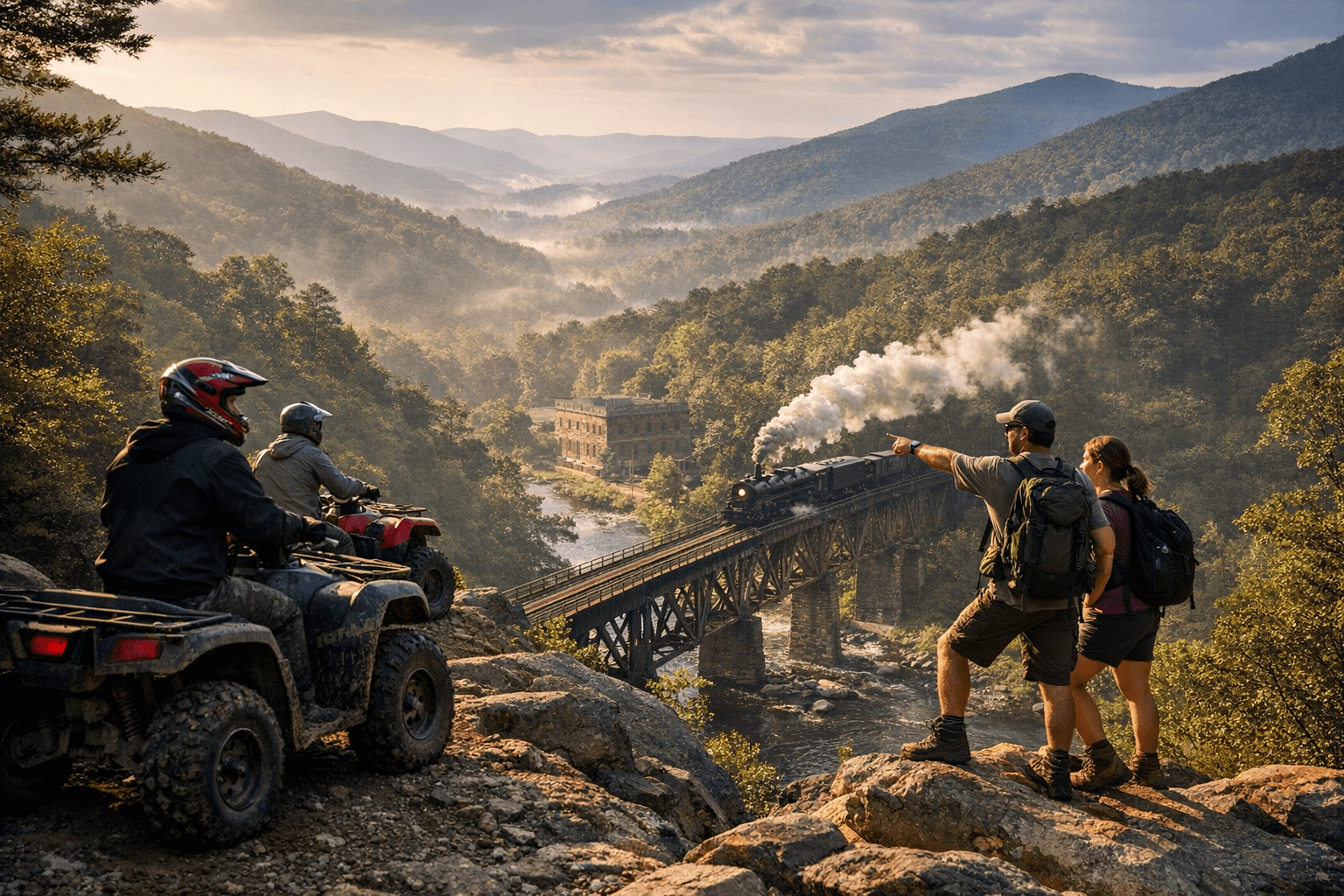
Tucked into the heart of West Virginia's coalfields, McDowell County carries a landscape that rewards those willing to explore it. Ridges fold into hollows, rivers cut through narrow valleys, and remnants of a once-booming industrial past dot the terrain between trailheads. Whether you're mapping out a full weekend or carving out a single afternoon, the county offers a range of outdoor experiences that go well beyond what most visitors expect.
Getting onto the Trails
McDowell County's trail network draws hikers and off-road riders into terrain shaped by decades of coal country geography. The ridgelines above the county's communities offer elevated views of the surrounding hollows, and the trail corridors that wind through them vary enough to suit both casual day-hikers and more experienced riders looking for technical challenges. Many of the access points are close to the county's towns, meaning you don't need to drive hours into a wilderness area to find yourself genuinely immersed in the landscape.
For off-road enthusiasts, the county's topography is a natural asset. The mix of ridge-top routes and hollow-floor paths creates varied riding conditions, and the region's history of timbering and mining has left behind a web of old roads and access tracks that have since been reclaimed for recreational use. Checking trail conditions before heading out is worthwhile, particularly after heavy rain, when some hollow routes can become muddy and difficult to navigate safely.
- Bring more water than you think you need; shade is intermittent on ridge-top routes
- Sturdy footwear matters on terrain where loose shale and exposed rock are common
- Let someone know your planned route, especially on less-traveled corridors
A few practical notes for trail visits:
Along the Rivers
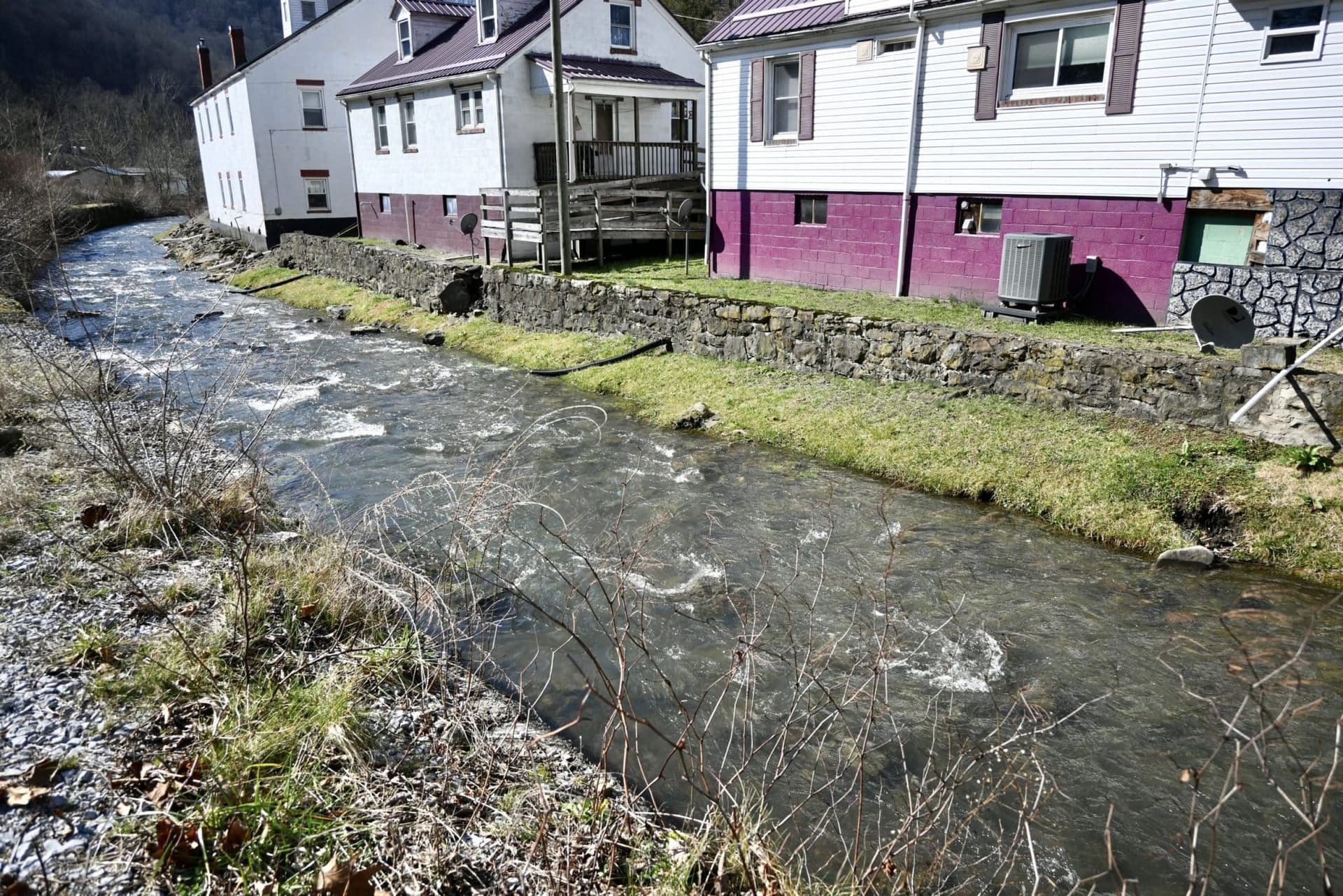
Water is one of McDowell County's most underappreciated recreational assets. The Tug Fork and Dry Fork run through portions of the county, offering access points for fishing, wading, and quiet riverside time. These waterways move through scenery that shifts with the seasons, and in the warmer months the riverbanks become natural gathering spots for families and individuals looking for relief from the summer heat.
Fishing draws a steady contingent of visitors who know the county's rivers hold smallmouth bass and other species typical of Appalachian waterways. Access is relatively straightforward at several points along the main corridors, and the rivers here don't carry the heavy recreational traffic found in better-marketed destinations farther north. That relative quietude is part of the appeal.
If you're planning a river outing, early morning visits tend to offer the best fishing conditions, and the light along the water in those hours is something that doesn't photograph easily but stays with you. Midday in summer can be hot along exposed stretches, so packing accordingly makes a difference.
Small Historic Sites Worth Seeking Out
McDowell County's history as a center of coal production left behind a physical record that's scattered across the landscape in the form of company towns, old tipples, coke ovens, and community structures that have outlasted the industry that built them. These sites aren't always well-marked, and some require a degree of local knowledge to find, but they offer a dimension to any outdoor visit that purely natural destinations can't match.
The county was once one of the most densely populated and economically significant places in West Virginia. At its peak, communities like Welch, Keystone, and dozens of smaller settlements housed tens of thousands of workers and their families drawn from across the country and the world. Walking through what remains of that era, even in its diminished state, connects visitors to a chapter of American industrial and labor history that is specific to this place and not easily replicated elsewhere.
Architectural details in older commercial buildings, the grid patterns of former company housing lots, and the occasional preserved structure give texture to what can otherwise feel like purely natural scenery. Pairing a trail visit with time spent exploring a nearby historic community turns a day trip into something more layered.
Planning a Day Trip or Short Stay
McDowell County is most accessible via U.S. Route 52, which runs through the county seat of Welch and connects to communities along the Tug Fork valley. The county's infrastructure has contracted significantly since its industrial peak, so planning ahead matters more here than in places with denser amenities. Fuel up before heading into more remote areas, and confirm that any lodging or dining options you're counting on are currently operating.
The best seasons for outdoor visits are late spring through early fall, when trail conditions are reliable and the rivers are at accessible levels. Fall brings notable color to the ridgelines, and the cooler temperatures make longer hikes more comfortable. Winter visits are possible for those who know the terrain, but the combination of steep hollows and limited road maintenance in some areas calls for extra preparation.
McDowell County doesn't market itself with the polish of a resort destination, and that's precisely what makes it worth the trip for those who prefer their outdoor experiences unmediated and genuinely rooted in place. The ridges, the rivers, and the remnants of what was once built here all tell a story that's still available to anyone willing to show up and pay attention.
Sources:
Know something we missed? Have a correction or additional information?
Submit a Tip