McDowell County part of West Virginia's National Coal Heritage Area
McDowell County's heritage-area status ties Welch, Kimball and other coal towns to a federal preservation system that now shows up in mapped sites, historic districts and the Coal Heritage Trail.
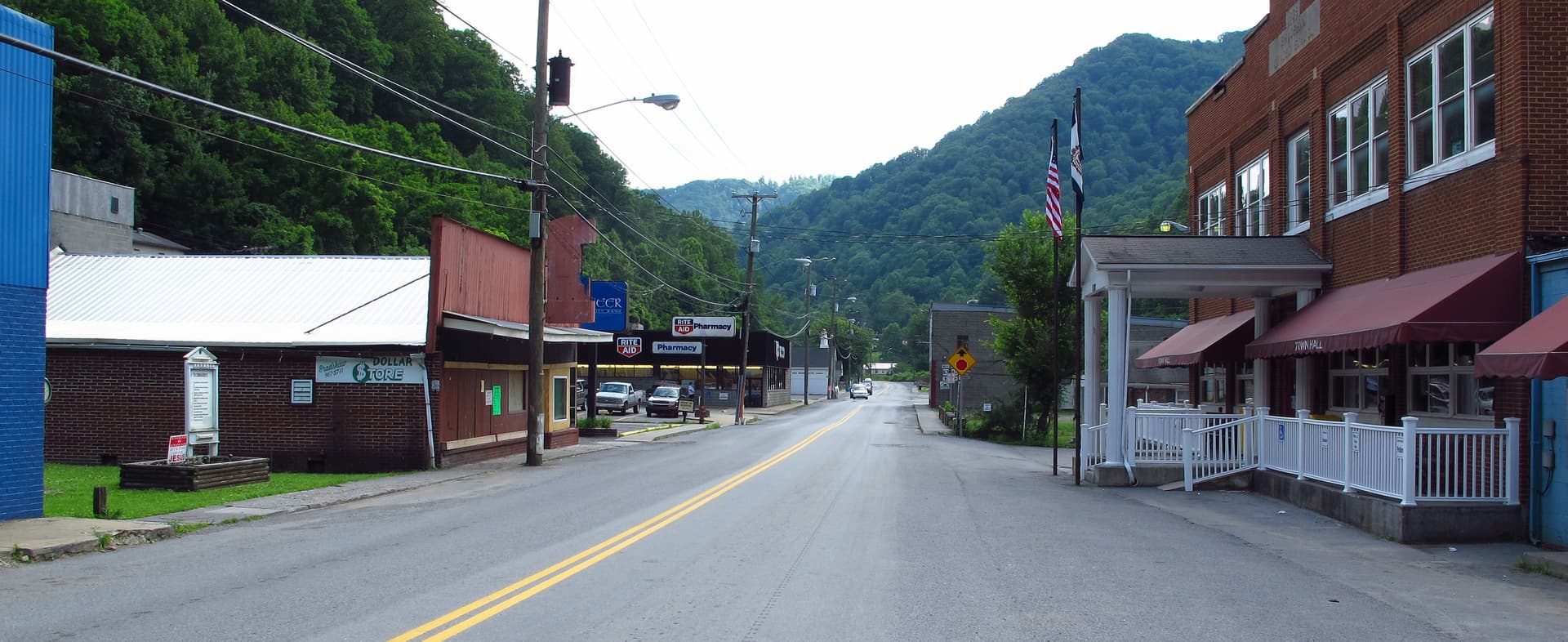
McDowell County’s place in the National Coal Heritage Area is less a slogan than a practical framework. It links Welch, Kimball, Keystone and other coal communities to a 11-county federal preservation system that keeps the county’s rail corridors, company-store sites and coal-camp landscapes visible in state and national records.
What the designation does now
Congress created the National Coal Heritage Area in 1996 to preserve, interpret and promote the history of coal in southern West Virginia. For McDowell County, that means the county sits inside a larger story that connects mines, rail lines, worker neighborhoods and downtown commercial blocks instead of treating each town as an isolated point on the map.
The most concrete value is organization. The designation gives local preservation work, highway planning and heritage interpretation a shared framework, and West Virginia Code describes the area as a partnership project of the National Park Service and the State of West Virginia through the Division of Tourism and the Division of Culture and History. In January 1999, the governor appointed 28 experts from the state and region to a steering committee, showing that the area was built as a coordinated public project, not a loose branding exercise.
How the framework was built
The heritage area did not appear out of nowhere. A coal heritage study authorized by Public Law 100-699 and completed in 1992 recommended both the Coal Heritage Area and the Coal Heritage Road as strategies for preserving, protecting and promoting West Virginia’s coal heritage. That earlier planning work matters because it explains why the area reaches beyond a single museum or visitor stop and instead ties together roads, towns and historic landscapes.
Federal review did not stop there. National Park Service evaluation findings completed in September 2012 reviewed how the West Virginia National Coal Heritage Area was functioning as a National Heritage Area. That matters for McDowell County because the designation is not just an honorary label, it sits inside an ongoing federal-preservation structure that has been assessed and maintained over time.
Where McDowell County sees it on the ground
The clearest day-to-day evidence of the designation is in the places that have been documented and listed. Welch, the county seat, has a commercial historic district listed on the National Register of Historic Places. That gives the county a preserved downtown core that can be read as part of the broader coal economy, not just as a standalone town center.
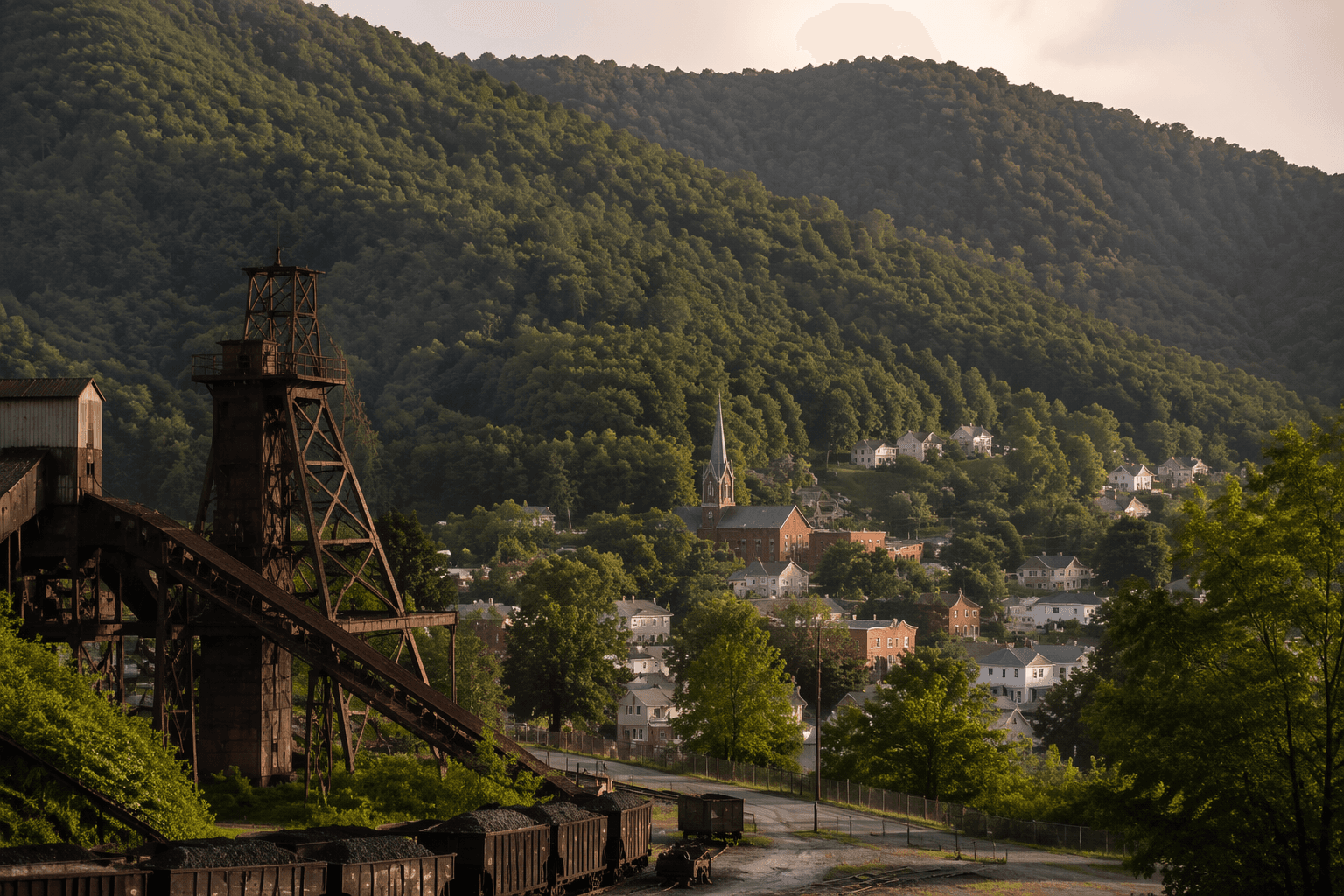
The West Virginia State Historic Preservation Office also lists coal-related National Register resources in McDowell County, including company stores and coal-camp sites in places such as Algoma and Ashland. Those listings matter because they turn former company towns and industrial service buildings into recognized pieces of the county’s public history.
A coal heritage survey update completed on November 15, 2018, and prepared for the West Virginia Division of Highways by Aurora Research Associates LLC, adds another layer. It shows that McDowell’s coal heritage was being documented in the context of transportation and preservation planning, which is where the National Coal Heritage Area is most useful in practice: as a tool for mapping what still survives and keeping it in view when roads, routes and redevelopment projects are discussed.
Why Welch, Kimball and Keystone anchor the story
Welch is the county seat, but its importance here goes beyond government offices. The town’s historic district gives the county a preserved commercial center that fits the larger coal narrative, linking civic life to the industrial geography that shaped McDowell County.
Kimball gives the county another kind of anchor. The town was named for Frederick Kimball, president of the Norfolk & Western Railway, and it was incorporated in December 1906 as a small commercial, residential and railroading community serving surrounding coal mines and coal camps. Earlier names for the town included Totten, Norwood and West Vivian, a reminder of how closely local identity was tied to railroad and mining development.
Kimball also carries one of the county’s starkest coal-era moments. The Kimball mining disaster on July 18, 1919, at the Carswell coal mine killed six miners. In the heritage area framework, that history is not separated from the town’s rail and commercial story, it is part of the same landscape of labor, transport and risk that defined southern West Virginia.
Keystone, Gary and other coal towns fit the same pattern. The designation does not freeze them in the past; it places them in a shared interpretive frame where mines, worker housing, rail lines and downtown blocks can be understood together.
What residents and local leaders can point to
The designation’s real-world value is easiest to see in a short list of concrete outcomes:
- Welch’s commercial historic district is formally recognized on the National Register.
- McDowell County has documented coal-camp resources and company-store sites in Algoma and Ashland.
- The county’s coal heritage was surveyed in 2018 as part of transportation and preservation planning.
- The Coal Heritage Trail extends the interpretive story across southern West Virginia, giving the county a place in a broader route of markers, towns and preserved sites.
- The county’s coal history is connected to a federal framework that began with a 1992 study, was designated by Congress in 1996 and was later reviewed in 2012.
The county’s older history helps frame that modern work. McDowell County itself was created on February 20, 1858, by the Virginia General Assembly and named for James McDowell. The coal heritage system does not replace that earlier county history; it layers the coal era onto it and makes the industrial period legible in places people still drive through, shop in and live beside.
That is the practical answer to what the designation does now. It does not rebuild a store or reopen a mine, but it keeps McDowell County’s coal-town landscape organized, documented and connected to a regional system that still shapes how the county is seen, studied and preserved.
This article was produced by Prism’s automated news system from verified source data, official records, and press releases, then run through automated quality and moderation checks before publishing. The system is built and supervised by the people who set the standards it runs under. Read our full AI policy.
Did this article answer your question?