McDowell County PSD website tracks water notices, bills and reports
McDowell County residents can use the PSD site to track boil-water notices, 2025 water reports and bills in one place. The archive shows repeated trouble in multiple communities and the cost of slow infrastructure fixes.
What to check first on the PSD site
For households in Kimball, Bartley, Maybeury, Coalwood, Ashland and the other unincorporated communities the district serves, the McDowell County Public Service District website is not just an information page. It is the fastest place to see whether water is safe to use, whether a boil-water advisory has been lifted, and whether a problem is part of a recurring pattern that could affect daily routines, repair plans and business operations.
The most immediate items on the site are the current public notices, online bill pay, and the 2025 consumer confidence reports. Together, those tools tell residents whether a system is under strain, how the district is communicating about it, and what water-quality data is being disclosed for the year.
Why the public-notices page matters
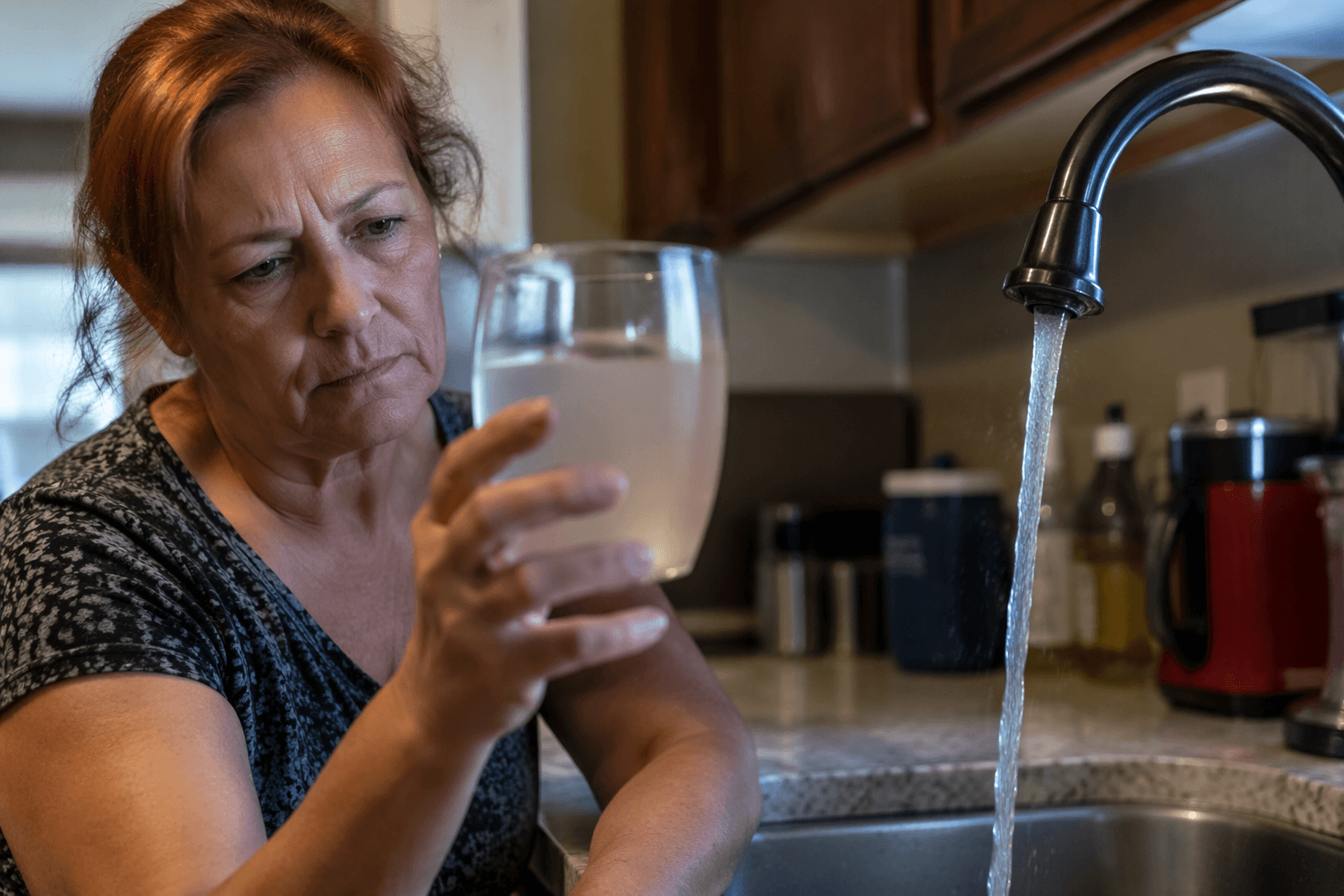
The public-notices section works like a running archive of system interruptions across McDowell County. That matters because water notices can change everything from cooking and laundry to school kitchens, hair salons, restaurants and small businesses that need reliable water to serve customers.
As of Dec. 30, 2025, the site listed current notices for Kimball, Bartley, Berwind, Bradshaw, Coalwood, Havaco, Maybeury, Greenbrier, Big Four, Bishop, Ashland, Crumpler, Tidewater, Premier and Eckman. The archive also shows a long trail of boil-water advisories and lifts for systems including Tidewater-Kimball, Crumpler, Big Four, Maybeury, Coalwood, Anawalt, Bartley, Caretta, Buchanan, Ashland, Jenkinjones and Premier.
That history is useful even after a notice is lifted. It shows which systems keep coming back into the public-notice file, how quickly the district responds, and whether a problem looks temporary or structural. In a county where reliability has been one of the central civic issues, the site gives residents a plain way to see whether the district is keeping up or merely documenting failures after they happen.
What the 2025 water reports can tell you
The district says its 2025 consumer confidence reports are available on the website, and those reports are the place to look for the water-quality details that do not show up in a boil-water notice. They can help residents compare routine testing with the emergency notices that appear during disruptions.
That comparison matters for anyone deciding whether to run home repairs, rent a property, open a business, or plan around the cost of extra bottled water and maintenance. A household that sees repeated notices in the same area may reasonably ask whether the district is doing enough to reduce interruptions, not just posting alerts.
The reports also serve a civic purpose. They give residents a paper trail for questions about contamination findings, treatment performance and whether the utility is showing measurable progress in the places that have had the most trouble.
A district that grew with the county’s needs
McDowell County Public Service District says it was created by county commission order on March 23, 1990, and approved by the Public Service Commission of West Virginia in Case No. 90-192-PWD-PC on May 1, 1990. The district says it began with about 552 customers and about six employees.
Today, it reports more than 3,300 accounts and more than 20 employees. That growth shows how much more the district has been asked to handle since its founding, and it also reflects the scale of the county’s water burden. The district’s own history says it was created to provide adequate and sanitary water service to all unincorporated communities in McDowell County, a mission that remains central in a geographically difficult county with many small, scattered systems.
Why repeated notices hit households so hard
Recurring boil-water advisories are not a minor inconvenience in a county like McDowell. They affect whether families can cook without worry, whether schools and local offices can stay on normal schedules, and whether business owners can serve customers without adding costs for extra cleaning, bottled water or lost hours.
The notice archive also helps residents judge confidence in a property or neighborhood. When water interruptions keep showing up in the same system, that can weigh on home repairs, tenant decisions and whether people feel comfortable investing in a place for the long term. For McDowell, where utility reliability has been a basic quality-of-life issue for years, that is a real economic concern, not just a technical one.
Flooding, grants and the next stage of repair
The pressure on McDowell’s water and sewer systems did not begin in 2025, but the year brought a new blow. Devastating flooding struck southern West Virginia in February 2025, including McDowell County, killing several people and displacing families. The storm damage intensified long-running concerns about fragile infrastructure in coalfield communities.
In February 2026, Gov. Patrick Morrisey announced $9.5 million in Abandoned Mine Land Economic Revitalization grants for five water and sewer projects in southern West Virginia, including McDowell County work. The county projects named in that announcement included a $2.75 million sewer project for the Town of Davy, a $2.014 million Jolo waterline extension, and a $2.5 million Elkhorn Creek water project.
Those projects are significant because they target practical gaps in service. The Jolo waterline extension is expected to add more than 60,000 feet of new waterline and provide reliable drinking water to 119 new connections, including five businesses. The Elkhorn Creek project is expected to extend public water service to 280 customers, including Ashland Resort, churches and businesses. In a county where water access still shapes whether communities can function normally, those are not abstract capital improvements. They are the difference between patchwork service and a stable utility.
What residents should watch now
- Check current public notices for active boil-water advisories.
- Review the archive to see whether a system has repeated problems.
- Read the 2025 consumer confidence reports for water-quality details.
- Use online bill pay if service is stable enough to keep accounts current.
- Watch for whether announced infrastructure projects produce fewer notices over time.
The PSD site gives McDowell County residents a straightforward checklist:
The larger question is whether the district is simply posting notices or making measurable progress on recurring water-quality problems. The archive, the reports and the billing tools together create a public record that lets residents judge that for themselves. In McDowell County, where water reliability affects daily life, safety and confidence in home ownership, that record now matters as much as the pipes themselves.
This article was produced by Prism’s automated news system from verified source data, official records, and press releases, then run through automated quality and moderation checks before publishing. The system is built and supervised by the people who set the standards it runs under. Read our full AI policy.
Did this article answer your question?