McDowell Tech Hosts Annual Fire, Rescue and EMS College for Responders
McDowell Tech is hosting the 47th annual Fire, Rescue and EMS College, a multi-day training that strengthens volunteer and career responder capacity across southern West Virginia.
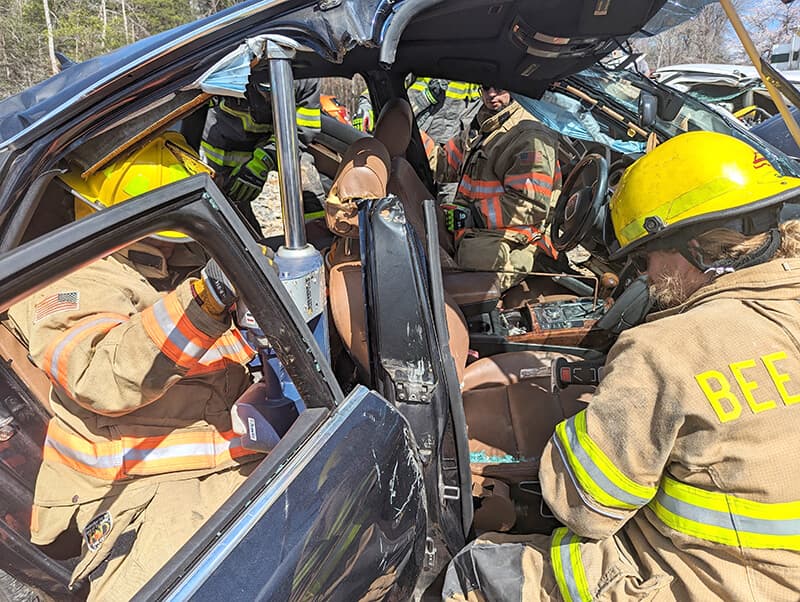
McDowell Tech is hosting the 47th annual Fire, Rescue and EMS College, a multi-day training program that delivers hands-on skills and certification opportunities for volunteer and career responders across southern West Virginia. The college offers search-and-rescue drills, swift-water rescue simulations, vehicle extrication practice, EMS practical skills and incident-management instruction designed for departments that operate in rural and resource-constrained environments.
The program is co-sponsored by the McDowell County Fire and Rescue Training Committee, the McDowell County Emergency Management Agency, the McDowell County Fire Commission and regional partners. Organizers characterize the college as a recurring community resource that helps departments build capacity for major weather events and everyday emergencies in McDowell County’s hollows, backroads and mountain communities.
Training content emphasizes interoperability and continuing education. Sessions include practical exercises that mirror the terrain and access challenges responders face in McDowell County, from steep ridgelines to fast-moving waterways. By providing certification opportunities on-site, the college reduces travel burdens for volunteer personnel and helps ensure that firefighters, rescue technicians and emergency medical providers maintain up-to-date credentials.
The institutional model behind the college illustrates local emergency governance in practice. The McDowell County Fire and Rescue Training Committee and the McDowell County Emergency Management Agency coordinate curriculum and logistics, while the McDowell County Fire Commission and regional stakeholders supply oversight and support. That collaborative structure channels limited county resources into a concentrated training effort, but it also highlights policy questions about sustainable funding, staffing and the long-term viability of volunteer-dependent response systems.
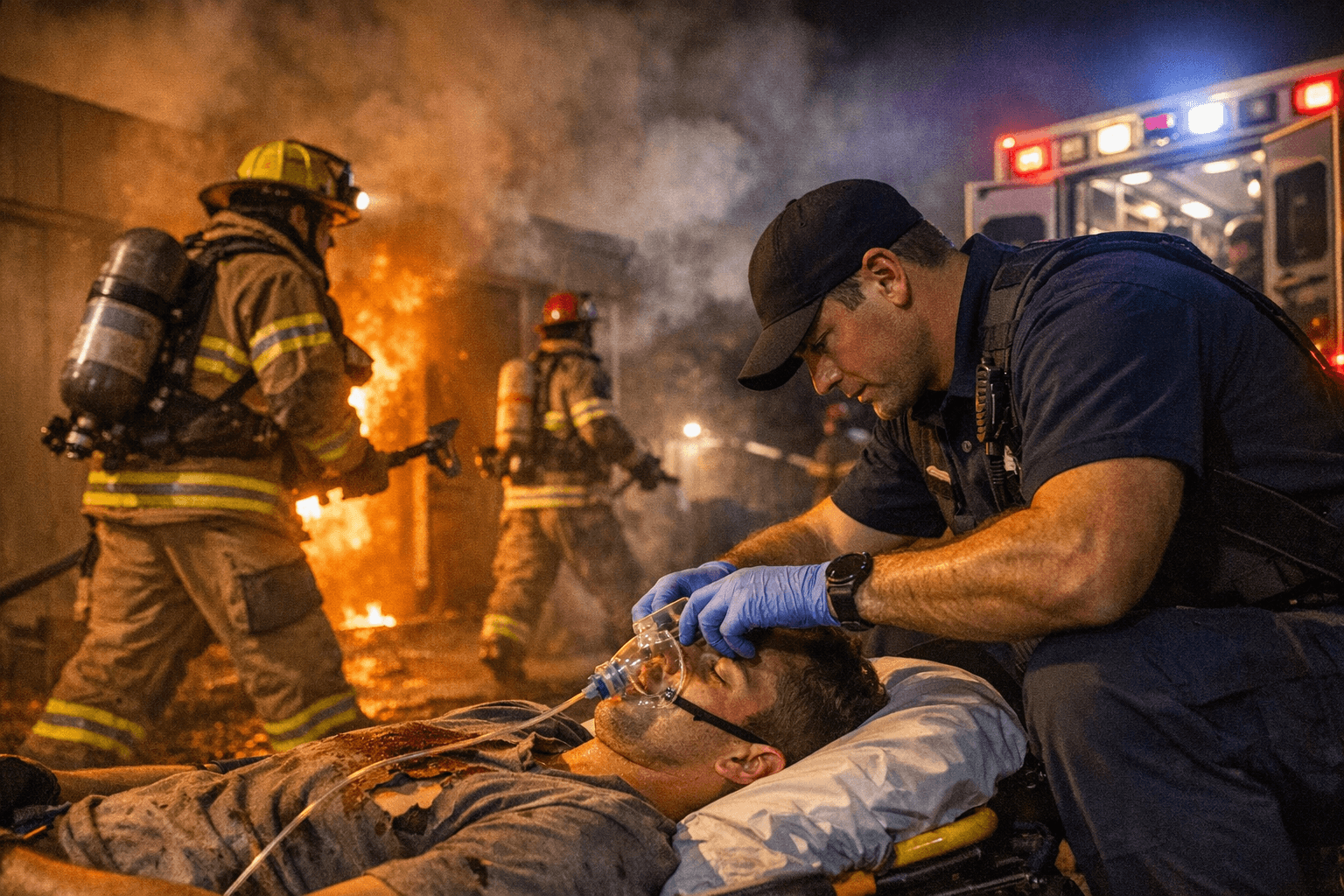
For elected officials and county budget planners, the college underscores the trade-offs facing McDowell County: invest in recurring training and certifications that improve response times and interoperability, or risk higher costs later from slower, less coordinated emergency operations. Maintaining the college requires ongoing coordination among multiple governmental and volunteer entities and predictable funding streams to cover instructors, equipment and simulation materials.
For local residents, the college translates into more capable emergency response in the places that need it most. Volunteers who train on vehicle extrication and swift-water techniques bring those skills back to their stations, shortening response windows in remote calls and improving patient outcomes in EMS incidents. Civic engagement matters: attendance at county meetings, support for local volunteer departments and advocacy for emergency-budget priorities can all influence whether this form of capacity-building continues.
As McDowell Tech and its partners run this long-established program, the immediate effect is stronger, better-certified emergency teams in McDowell County. Longer term, sustaining that advantage will depend on policy choices by county leaders, ongoing interagency cooperation and community support for the volunteer and career responders who protect the county’s mines, hollows and creeks.
Know something we missed? Have a correction or additional information?
Submit a Tip