McDowell's John Ellison Reflects on Roots, Legacy of Some Kind of Wonderful
Landgraff native John Ellison, born near Montgomery in 1941, wrote "Some Kind of Wonderful" en route to a 1967 Philadelphia session; the song has been recorded by dozens and remains central to his legacy.

John Ellison, born August 11, 1941 near Montgomery and raised in Landgraff, returned this month to a county that shaped the opening lines of his life and a song that reached across genres. The writer of "Some Kind of Wonderful" drafted the tune in 1967 while traveling to a recording session in Philadelphia, and institutional profiles credit the song with more than 62 artist recordings and sales topping 42 million copies.
Ellison’s beginnings were rooted in McDowell County coal country. As a toddler his family home was destroyed by a flood, and the family eventually settled in Landgraff where his father worked as a coal miner and played guitar at home. Ellison has recounted family poverty and periods when his parents could not send the children to school; he also worked at the Carter Hotel in Welch before leaving for Rochester, New York with only a few dollars to his name.
Music arrived early. Ellison said, "I taught myself at 13 when I decided playing guitar. Then I got the bug as they say." A year later he won a school contest and resolved that nothing else in life compared to music. In Rochester he joined The Continentals and then The Soul Brothers Six, serving as lead guitarist, singer, and songwriter before the group moved to Philadelphia and recorded for Atlantic Records.
The song that followed has a concrete, domestic origin: Ellison described a moment before a Philadelphia session when his girlfriend packed his lunch. He remembered, "When I was looking at her, I said, 'wow,' I said, 'what a beautiful human being she was.' And I told her, I said, 'You know what, you're some kind of wonderful.' I said, 'I'm going to write a song about you.'" The Soul Brothers Six released the original in 1967 and the single reached #91 on the US Billboard chart.
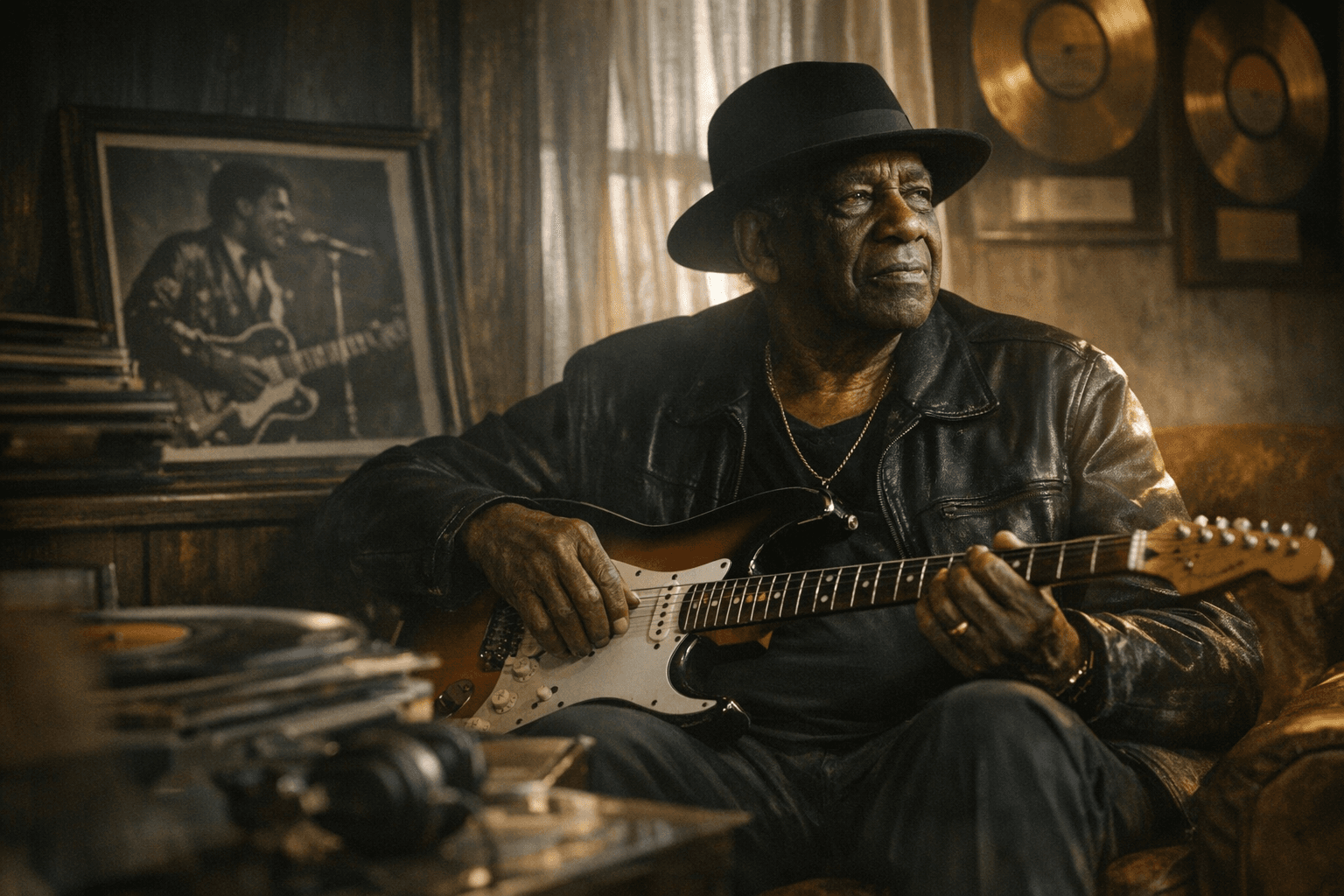
Mainstream recognition came later when Grand Funk Railroad covered the song in 1974 and reached No. 3 nationally. Counts of subsequent recordings and honors vary across accounts; one institutional profile states, "To date, the song has been recorded by more than 62 different artists and sold more than 42 million copies. As a result, John has received five Lifetime Achievement awards for writing one of the most played songs in the world." Other contemporary accounts place the number of covers higher and cite extensive radio play and awards.
Ellison’s career continued after The Soul Brothers Six disbanded in 1969. He played briefly as guitarist for heavyweight champion Joe Frazier, later toured and recorded with artists including Patti LaBelle, Diana Ross, James Brown, Smokey Robinson, and Little Richard, and released an autobiography in July 2012. He holds dual U.S.-Canadian citizenship, having become a Canadian citizen in 2006, and he was inducted into the West Virginia Music Hall of Fame in October 2015 and honored by the Rochester Music Hall of Fame in 2024.
Homecoming efforts in McDowell have followed his rise. Volunteers cleared the site near his boyhood home in Landgraff in July 2013 with plans for a replica and museum, and local events have drawn crowds to the Kimball World War I Memorial where Ellison stood before about 100 people and reflected on the empty hills: "All the houses are gone - there's nothing left. So I was looking around, and I could see, in my mind, all the coal trucks that would go up and down the hills. I was just standing there, and it was so quiet." Those scenes in Landgraff and Welch remain part of how McDowell measures the tangible legacy of a song written from a packed lunch and a single line.
This article was produced by Prism’s automated news system from verified source data, official records, and press releases, then run through automated quality and moderation checks before publishing. The system is built and supervised by the people who set the standards it runs under. Read our full AI policy.
Did this article answer your question?