Photo Gallery Highlights McDowell County Landmarks, Stakes for Local Development
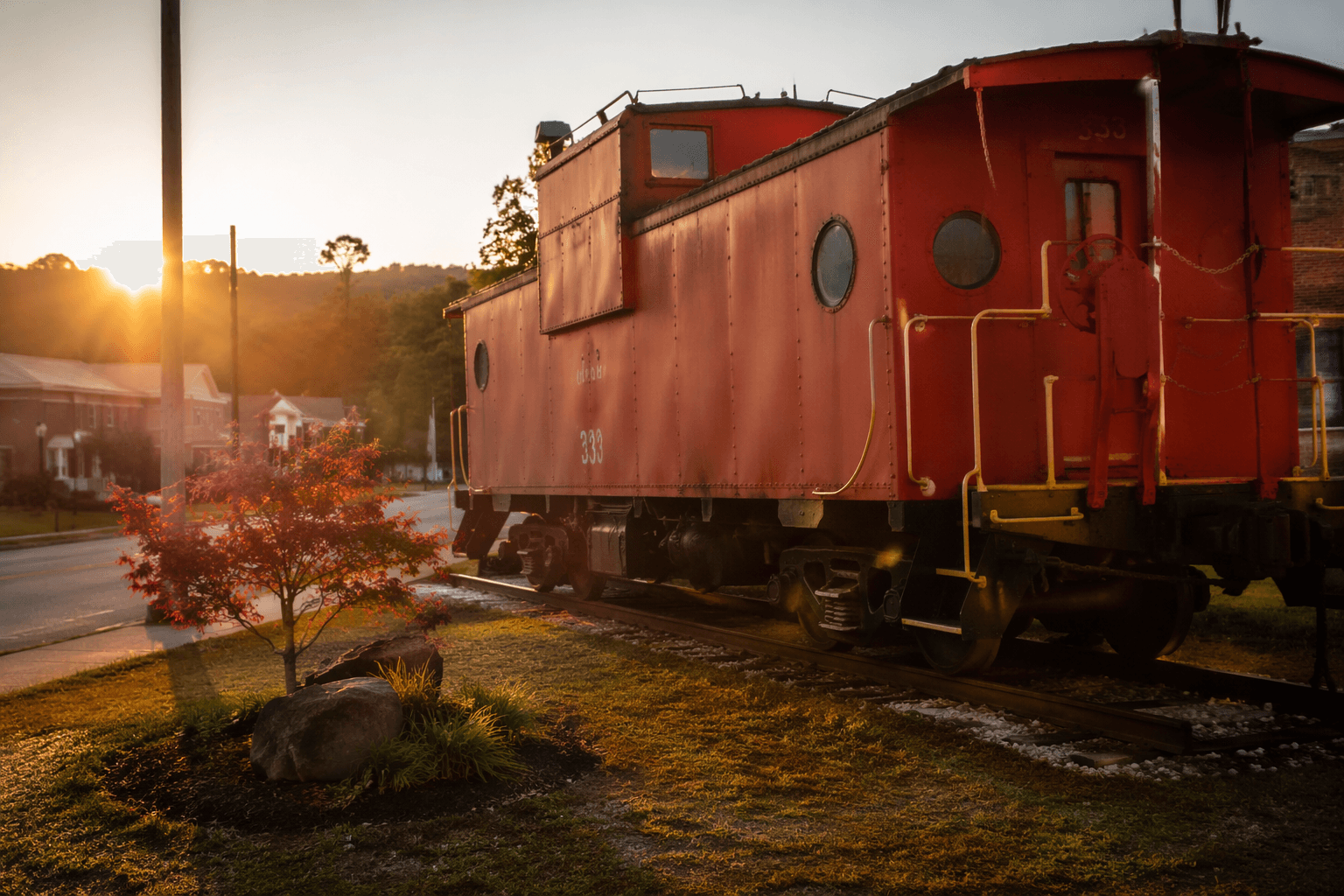
A curated set of photographs documents downtown Welch, the McDowell County Courthouse, Tug Fork river views and scenes from towns including War, Iaeger, Keystone, Gary and Northfork, creating a visual primer for residents and visitors. The images matter because they are already used by travelers, local organizations and economic development groups to shape tourism promotion, heritage projects and local planning decisions.

A new curated collection of photographs draws sustained attention to McDowell County by assembling images of downtown Welch, the McDowell County Courthouse, Tug Fork river views, historic buildings and community scenes from War, Iaeger, Keystone, Gary, Northfork and other small towns. The gallery emphasizes landscapes, waterways, trailheads, community events and coalfield era architecture, offering a concentrated visual inventory of the countys built environment and natural assets.
Beyond aesthetic value, the collection functions as a practical resource. Travelers and tourism promoters use the images to illustrate itineraries, while local economic development groups and heritage organizations use them to identify sites for preservation, trail development and riverfront improvements. The gallery therefore plays an active role in how McDowell County markets itself and how officials and civic groups prioritize investments in infrastructure and cultural assets.
Institutional implications are immediate. Visual prominence can affect grant competitiveness, shape the targets of county government improvement plans and influence which projects appear on planning commission agendas. When images highlight downtown corridors or trailheads, decision makers have clearer reference points for allocating limited funds for streetscapes, signage, riverbank stabilization and building rehabilitation. Visual materials can also narrow the gap between planning documents and public understanding by making specific sites and needs easier to recognize at public meetings.
There are civic and electoral consequences as well. Photographs that frame community assets help voters evaluate the stakes of bond measures, levy renewals and budget proposals tied to economic development and historic preservation. They can stimulate civic engagement by informing residents about local landmarks and where to focus volunteer energy or advocacy. Conversely, selective visual emphasis risks privileging some sites over others, underscoring the need for transparent criteria in how promotional material is used by public agencies.
For McDowell County officials and civic leaders, the gallery underscores an operational choice. The county can integrate visual inventories into comprehensive planning and grant strategies, while ensuring broad community input so representation reflects the full range of neighborhoods and towns. For residents, the images offer a starting point for participation in conversations about tourism, preservation and infrastructure that will shape the countys future.
This article was produced by Prism’s automated news system from verified source data, official records, and press releases, then run through automated quality and moderation checks before publishing. The system is built and supervised by the people who set the standards it runs under. Read our full AI policy.
Did this article answer your question?