Rock N Roll Coal seeks inactive status for Panther mine permit
Rock N Roll Coal asked to pause Permit U400503 near Panther, a move that keeps the permit alive while raising questions about work, reclamation and the site’s future.

Rock N Roll Coal Company, Inc. has asked state regulators to put its Panther-area mine permit into inactive status, a move that would pause operations without ending the company’s legal hold on the permit. For McDowell County, where coal work has shrunk for decades, the filing is less a paperwork detail than a sign to watch what the company still owes the state and what kind of future it sees for the site.
The application, filed March 9 with the West Virginia Department of Environmental Protection, covers Permit U400503 and ties to coal operations near Panther in the Sandy River district. Public comments on the request were accepted through April 6. In plain English, inactive status means the permit stays in force while mining is temporarily suspended. The company does not lose the permit, but the site is no longer supposed to be operating as an active mine.
That matters because inactive status can affect how the land is managed, how reclamation obligations are tracked and how closely regulators keep watch. The DEP’s Division of Mining and Reclamation oversees coal-mine permitting, public comment, inspections and reclamation bonding, and West Virginia law lays out procedures for inactive status under Section 22-3-19. A permit in inactive status is not the same as a permit being surrendered or closed out; it can be a pause, or it can be the first step in a longer retreat from production.
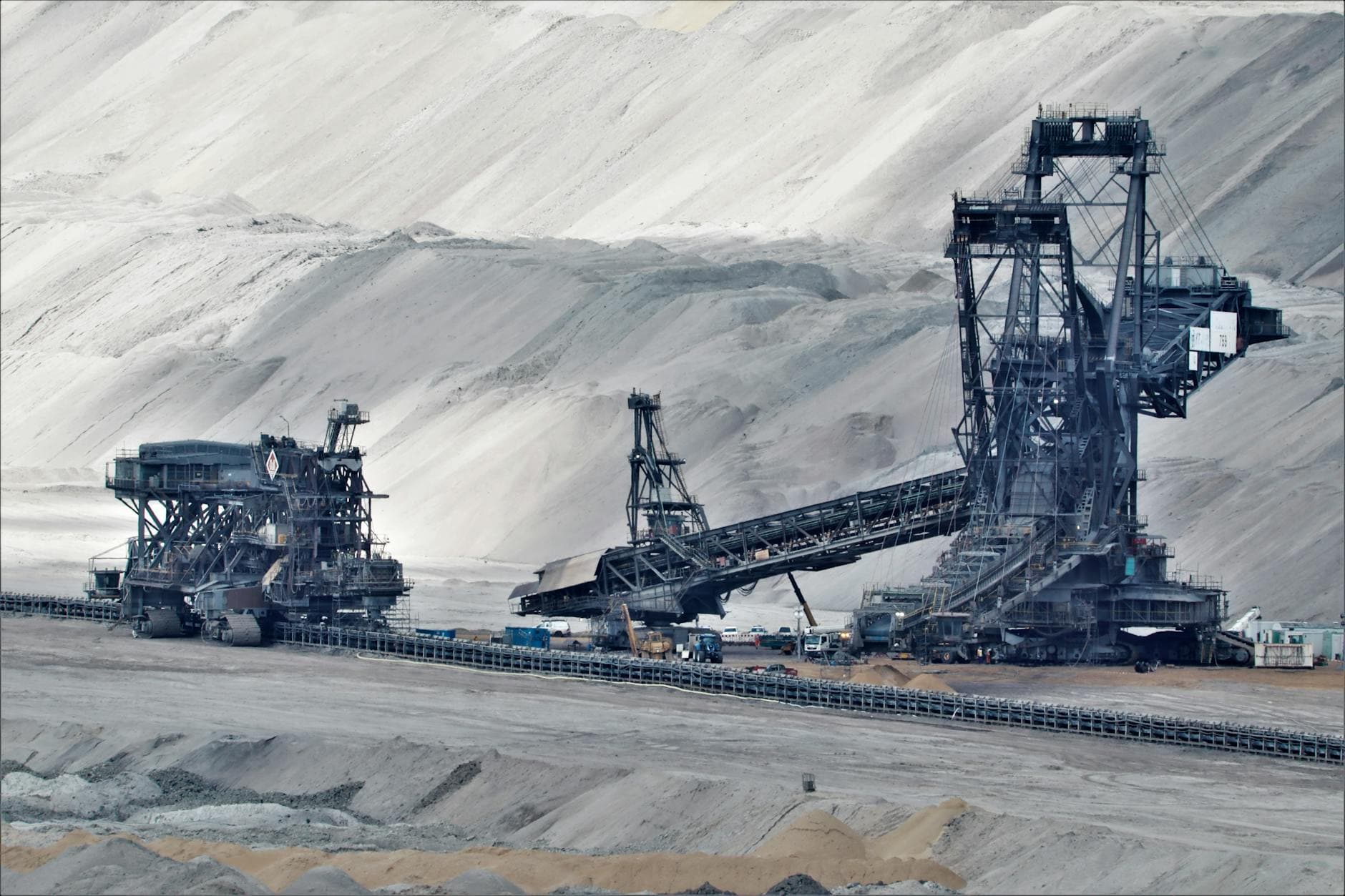
A separate 2025 public notice said Rock N Roll Coal had a permit on file for about 1.77 acres and had sought renewal of Article 3 Permit U400503 to operate an underground coal mine in the Douglas/Red Ash seam. The company’s mailing address in public notices is 4641 Greenbrier Mountain Rd., Panther, WV 24872-0000, placing the permit squarely in the community it affects.
The filing lands in a county that has lived through the long collapse of coal employment. McDowell County’s population peaked at 98,887 in 1950, then fell to 27,329 by 2000, a decline tied to mine closures and mechanization. Once among the nation’s biggest coal producers, the county now watches each permit move for what it says about jobs, tax base and the condition of the land left behind. In Panther, inactive status may not change the view overnight, but it does raise a blunt question: is this only a pause, or another step in McDowell’s shrinking coal footprint?
This article was produced by Prism’s automated news system from verified source data, official records, and press releases, then run through automated quality and moderation checks before publishing. The system is built and supervised by the people who set the standards it runs under. Read our full AI policy.
Did this article answer your question?