Welch Historic District, Courthouse Anchor Downtown Revitalization Efforts
The Welch Commercial Historic District and the McDowell County Courthouse are central features of downtown Welch, and local tourism organizers and event planners are increasingly citing them as anchors for community activity and economic development. That prominence matters for residents because preservation, courthouse operations, and downtown planning decisions will shape the county seat's civic life and local government business.
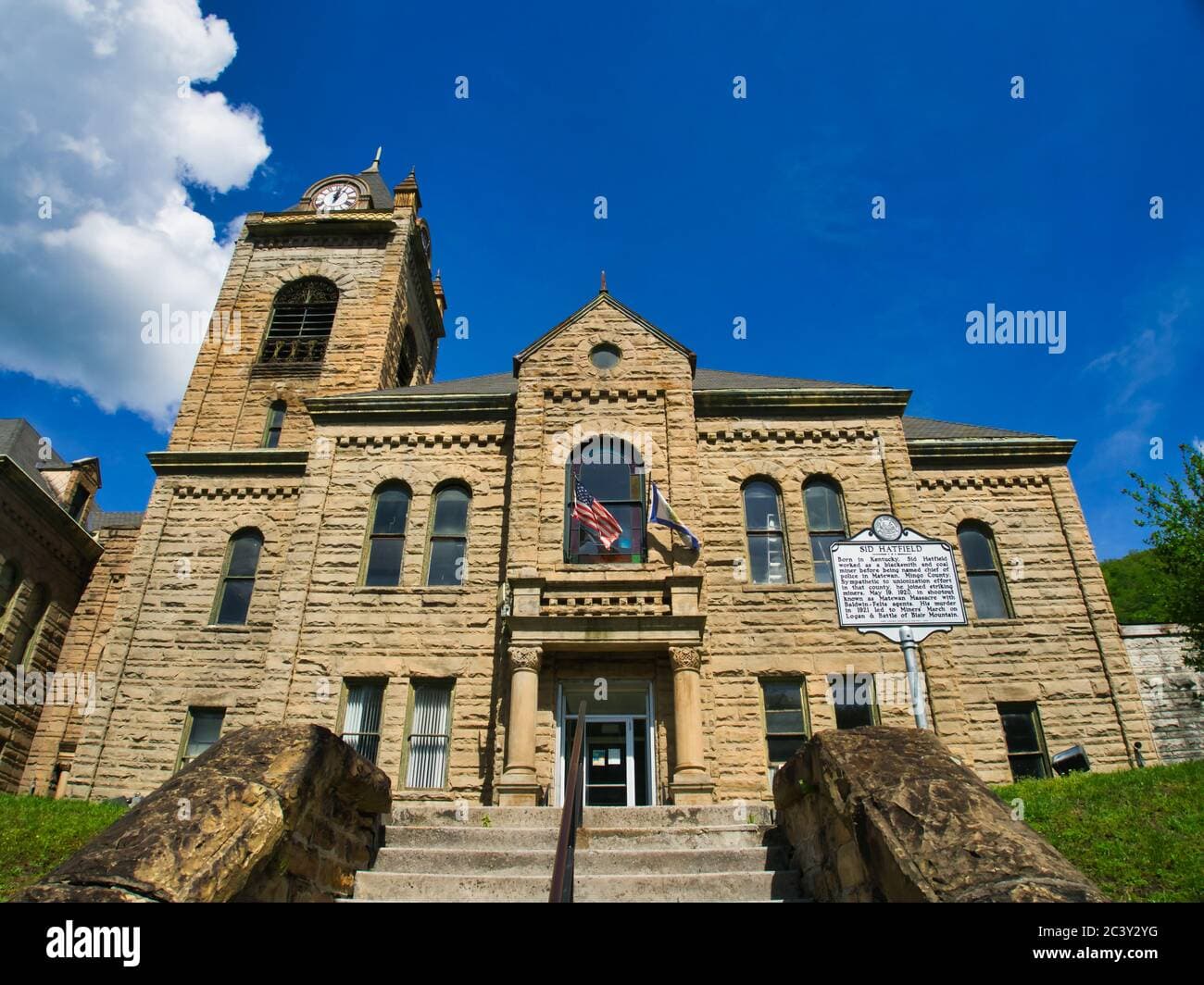
The brick facades and Romanesque architecture that define downtown Welch are not only part of the townscape, they are active elements in current discussions about the future of McDowell County. The Welch Commercial Historic District and the McDowell County Courthouse, a Romanesque structure originally built in 1893 and enlarged in 1909, are both listed on the National Register of Historic Places and serve as recurring reference points for tourism organizers and event planners working in the county seat.
Those listings confer symbolic and practical weight. As recognized historic assets, the district and courthouse contribute to Welch's architectural identity and cultural narrative. Local promoters use those assets to market events and attract visitors, while reporters and civic leaders rely on their centrality when covering county government, courthouse business, community events and downtown economic development efforts. The courthouse in particular remains the institutional heart of county government, and its location within the historic district reinforces the overlap between administrative functions and community life.
For McDowell County residents the local impact is tangible. Anchoring festivals, markets and civic gatherings around the historic district can stimulate foot traffic for downtown businesses and support efforts to diversify the local economy. At the same time, the courthouse's role in public access to government services and the justice system underscores the need to align preservation goals with operational requirements for county institutions. Decisions about maintenance, adaptive reuse, parking, signage and public programming will affect both daily services and broader economic outcomes.
Policy implications are immediate for county elected officials and municipal planners. National Register status can open opportunities for preservation funding and technical assistance, and it can shape eligibility for state and federal grant programs. That potential links historic preservation to budget priorities, capital planning and zoning choices. Thoughtful coordination between tourism organizers, event planners and county administrators can maximize the civic and economic benefits of the district while protecting historic fabric.
Institutional analysis points to the courthouse as more than an architectural landmark, it is a locus of civic engagement. Events staged in or near the courthouse draw residents into the public square, creating occasions for voter outreach, public meetings and civic participation. Sustaining that role requires transparent governance and clear planning so that historic designation supports, rather than constrains, essential county functions.
As Welch continues to position its historic district and courthouse at the center of downtown activity, residents should follow county decisions on preservation strategy, funding allocations and downtown infrastructure. Those choices will determine how effectively these historic assets contribute to community vitality and to the administration of McDowell County government.
This article was produced by Prism’s automated news system from verified source data, official records, and press releases, then run through automated quality and moderation checks before publishing. The system is built and supervised by the people who set the standards it runs under. Read our full AI policy.
Did this article answer your question?