Welch, McDowell County Faces Legacy of Coal Era, Steep Population Decline
Once a bustling coal era commercial center, Welch has seen its population fall sharply from a mid twentieth century peak, leaving historic buildings and civic institutions under strain. The loss of local news coverage and ongoing economic changes matter to residents because they affect services, health access, and long term community resilience.
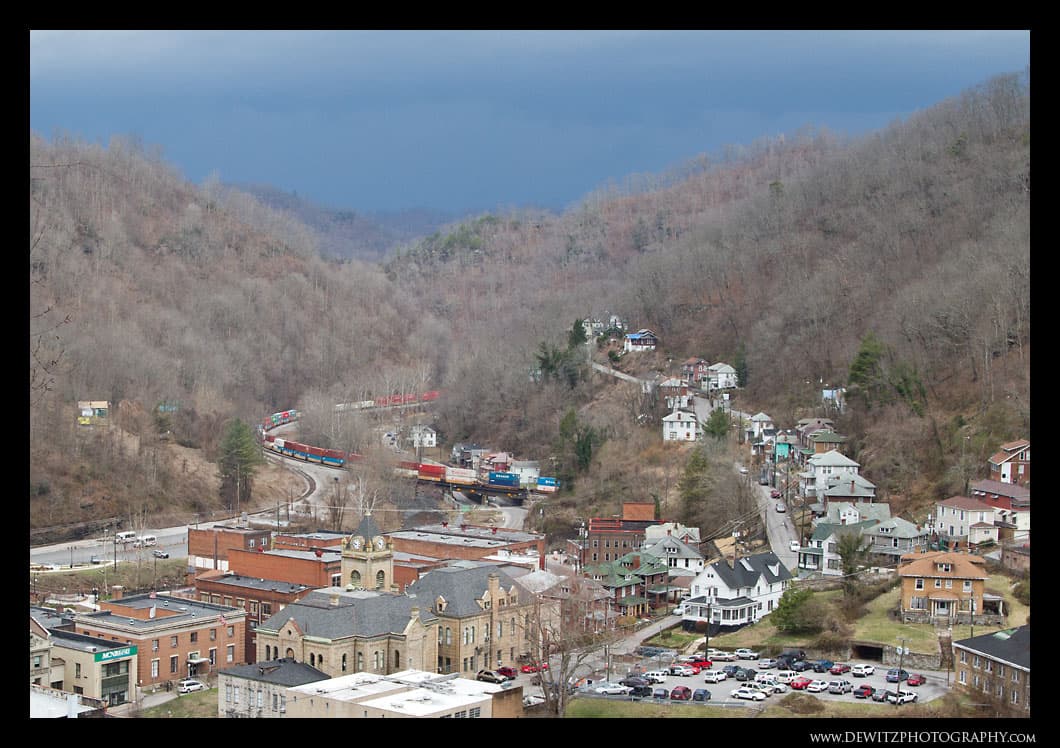
Welch remains the symbolic and administrative center of McDowell County, but the town’s trajectory reflects deep economic and social shifts that have reshaped everyday life. The city peaked in population in the mid twentieth century during the coal boom, then experienced significant decline by 2020 as out migration and changes in the coal industry reduced jobs and tax revenues. That decline has translated into fewer local services, shrinking school enrollments, and pressure on public infrastructure that residents still rely on.
Historic resources in Welch underscore the town’s past importance. The Welch Commercial Historic District is listed on the National Register of Historic Places, and its period architecture and coal era commercial legacy are visible across downtown streetscapes. Those buildings are community assets that carry cultural value and potential economic opportunity, yet they also require investment for preservation and adaptive reuse if they are to contribute to recovery.
Local institutions that once anchored civic life have changed as well. Local newspapers that chronicled daily life and held local institutions accountable have dwindled, culminating in the closure of the Welch News in 2023. The loss of that reporting layer weakens local information networks at a time when residents need clear communication about public health, social services, and recovery programs.
Public health implications are immediate and longer term. Population loss and a reduced tax base make it harder to sustain clinics, mental health services, and emergency care, while out migration often leaves a higher proportion of older residents with greater health needs. Infrastructure gaps including transportation and broadband limit access to telehealth and remote education, deepening disparities for families without reliable connections.
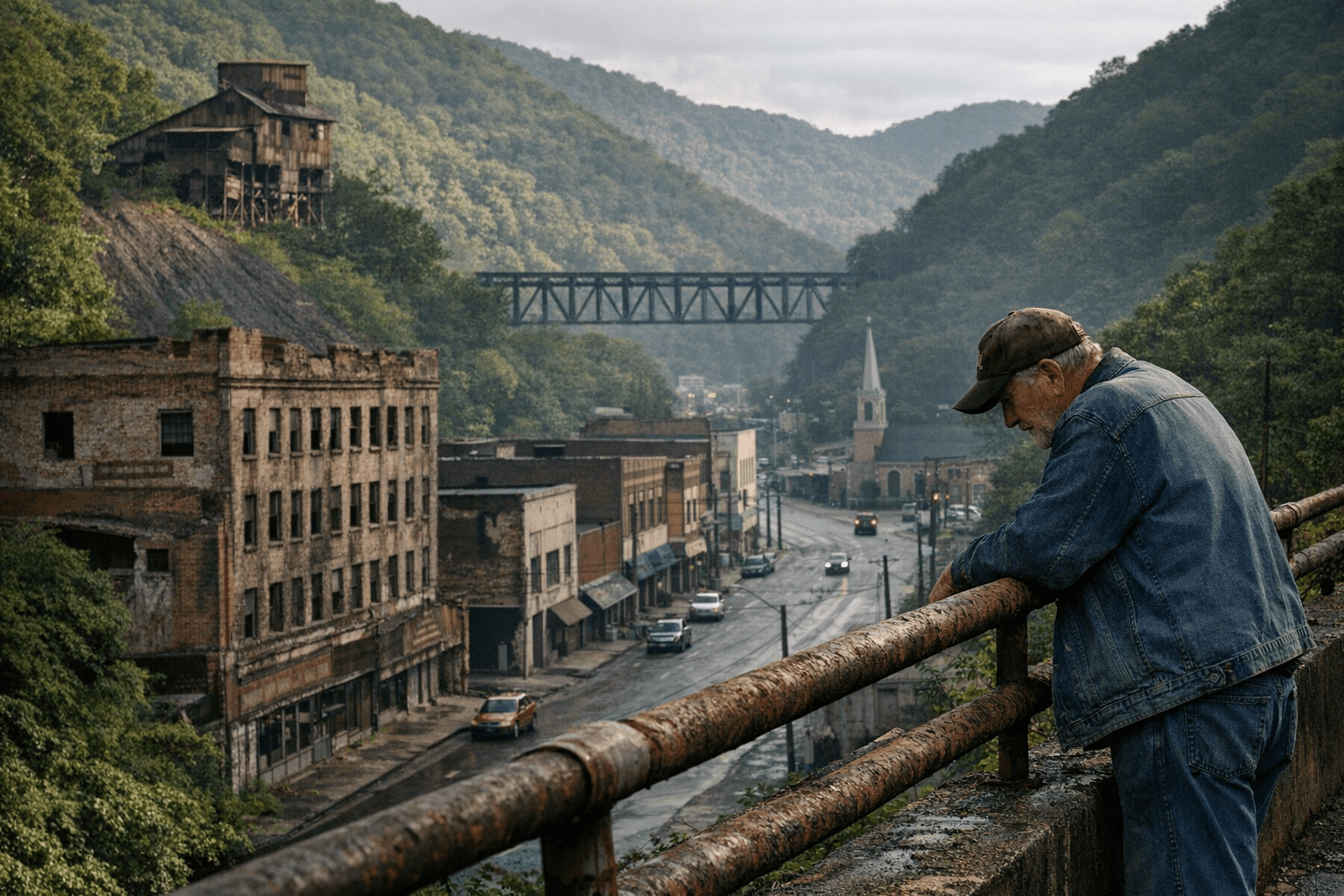
For community planners and policymakers, the situation points to an integrated approach. Preserving historic downtown assets can support heritage tourism and local jobs. Investments in primary health care, behavioral health, reliable transportation, and broadband are essential to improve access and equity. Supporting community led services and rebuilding local information channels will help residents navigate benefits and health services.
Welch’s history is visible in its architecture and institutions, and its future will depend on aligning preservation, health policy, and economic strategies to address inequities left by decades of industrial change.
This article was produced by Prism’s automated news system from verified source data, official records, and press releases, then run through automated quality and moderation checks before publishing. The system is built and supervised by the people who set the standards it runs under. Read our full AI policy.
Did this article answer your question?