Chambers Liquor License Proposal Reignites Debate Over Alcohol Access Near Navajo Nation
A liquor license bid for a Chambers convenience store near Navajo Nation has reignited debate over alcohol access and community trauma in the border region.
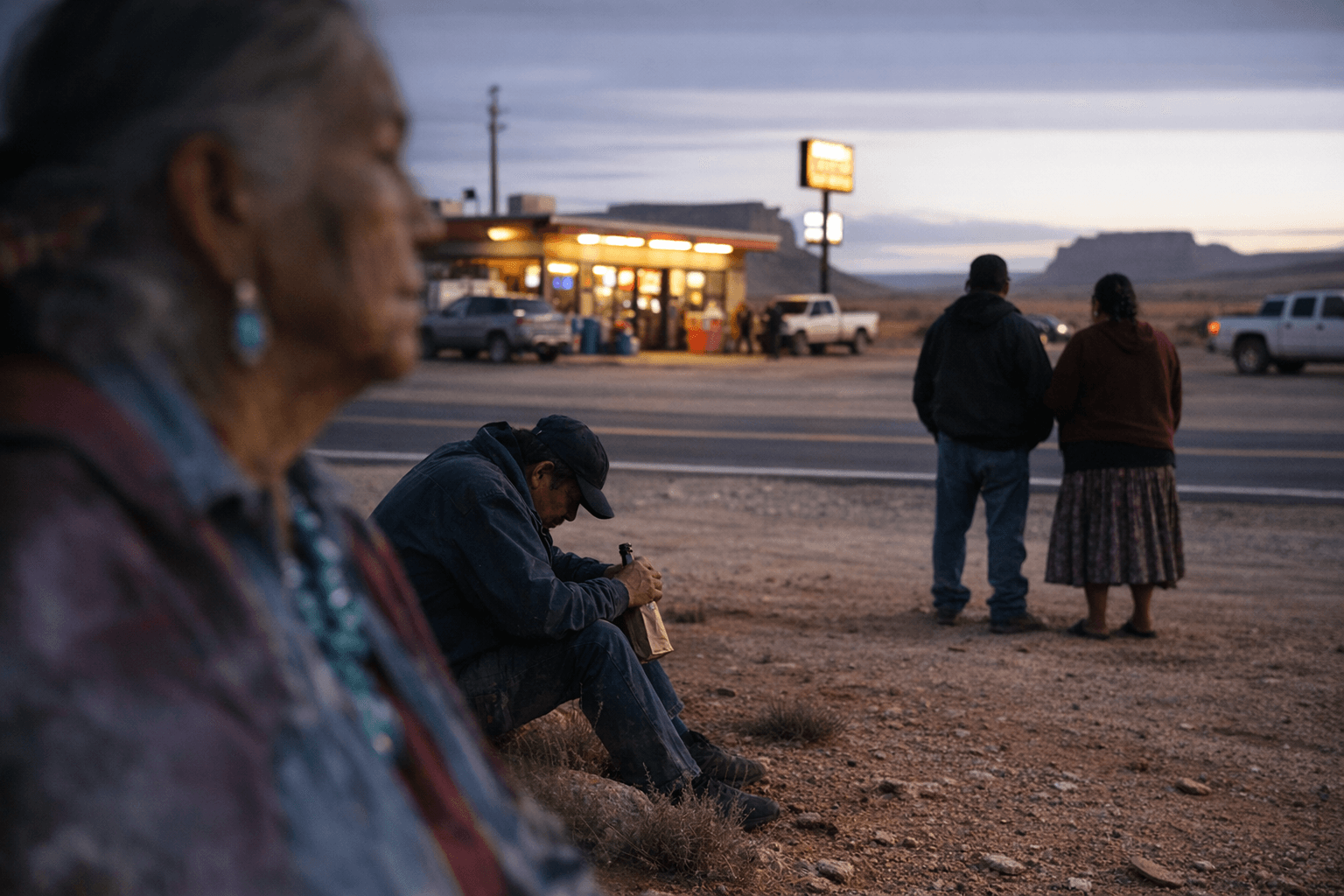
A packaged-liquor license proposal for a convenience store and gas station near Chambers has renewed a long-running dispute over alcohol sales along the Navajo Nation border, drawing renewed scrutiny to a community already navigating deep tensions over access, public safety, and generational harm.
Chambers sits at a geographic pressure point: a border community adjacent to portions of the Navajo Nation, where tribal alcohol prohibition policies have historically pushed demand toward surrounding off-reservation businesses. The current proposal, which would authorize packaged liquor sales at the convenience store location, places that dynamic back at the center of local policy conversation.
The debate carries weight that extends beyond a single business license. Border communities like Chambers have long served as flashpoints in disputes over alcohol's role in Navajo communities, where the effects of proximity to liquor retailers are documented in public health data and felt acutely in family and community experience. Advocates on multiple sides of the issue have pointed to those realities when arguing both for and against expanded retail access near reservation boundaries.
Opponents of the license typically cite concerns about increased alcohol availability fueling addiction, driving traffic-related incidents, and deepening existing public health burdens on tribal communities. Proponents tend to frame the issue around economic activity, property rights, and the practical reality that residents seeking packaged liquor will travel to obtain it regardless of whether the license is granted.
The proposal's emergence in Chambers is a reminder that the policy questions surrounding alcohol access near the Navajo Nation remain unresolved and politically charged. No final decision on the license had been announced as of March 21, 2026, and the outcome will likely depend on the regulatory body weighing the application, community input, and the broader political environment surrounding tribal border-zone commerce in the region.
This article was produced by Prism’s automated news system from verified source data, official records, and press releases, then run through automated quality and moderation checks before publishing. The system is built and supervised by the people who set the standards it runs under. Read our full AI policy.
Did this article answer your question?